life is short. do first thing first.

Category: Travel Page 42 of 44

Menjejaki masjid di sekitar Yangon, MYANMAR.

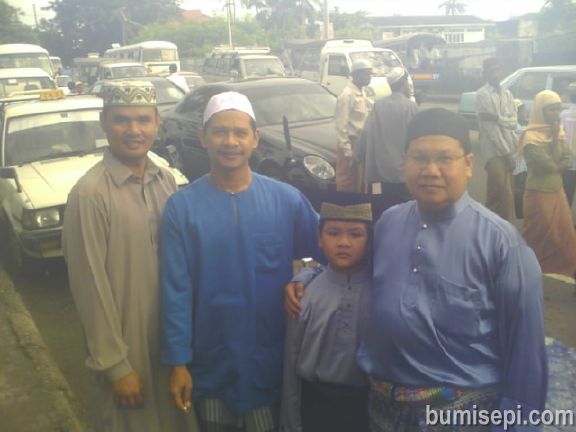
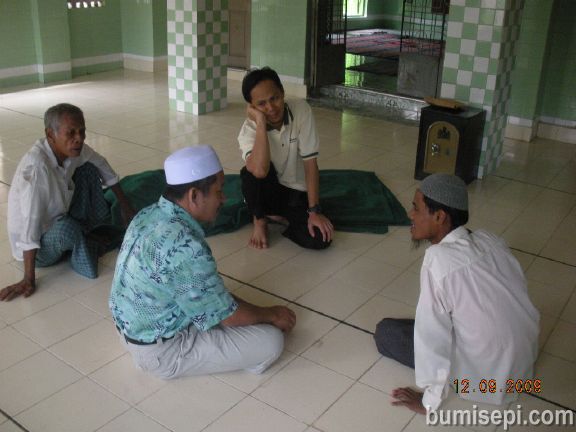
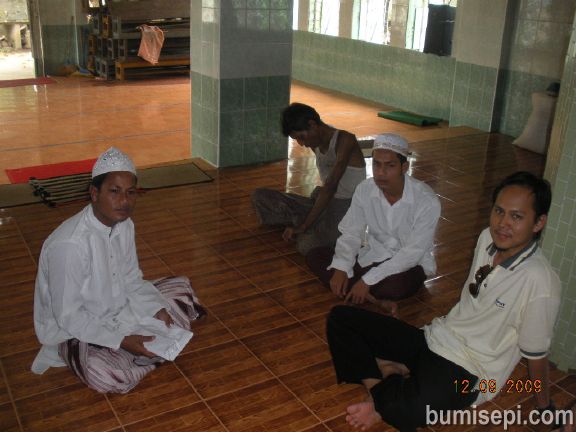
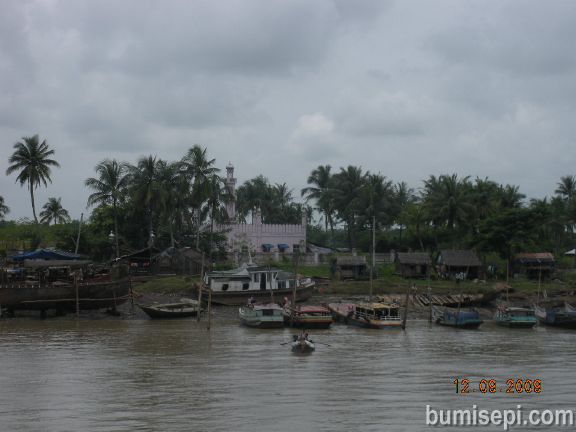
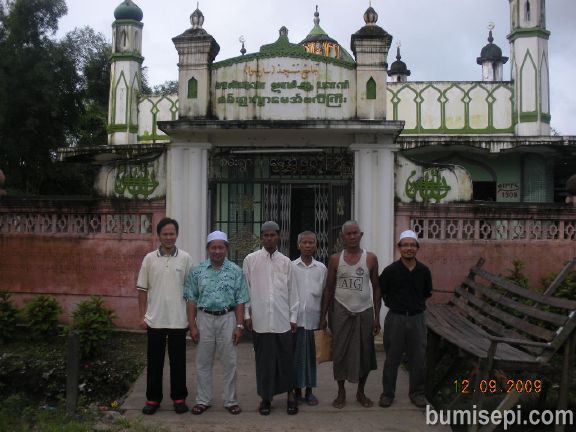
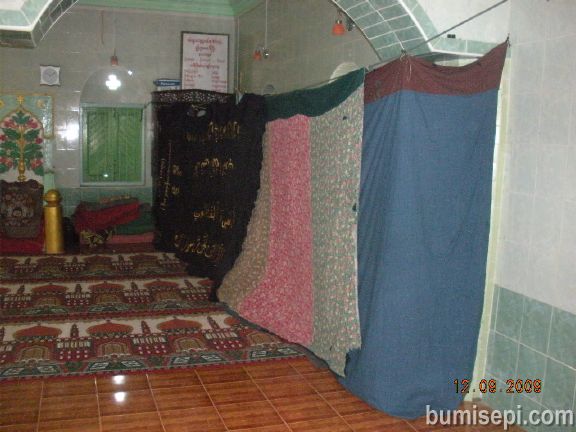
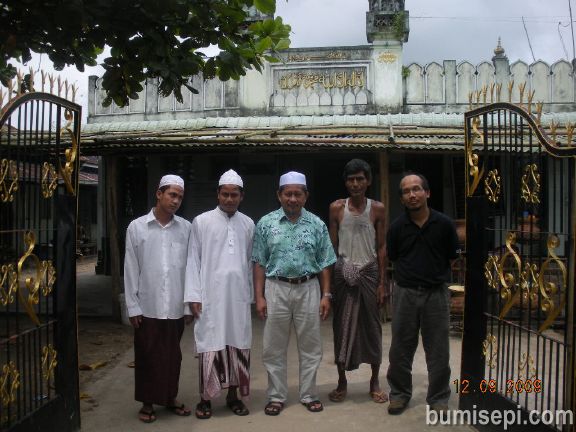
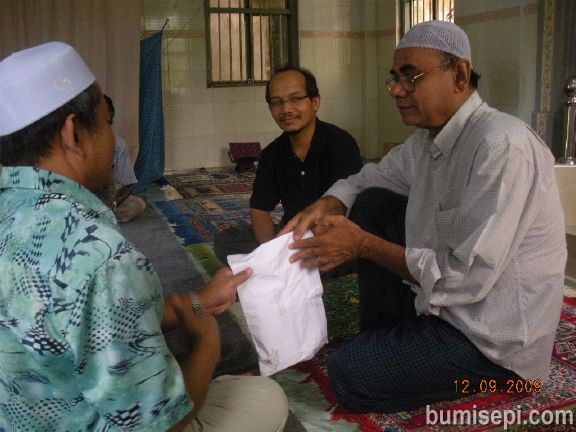
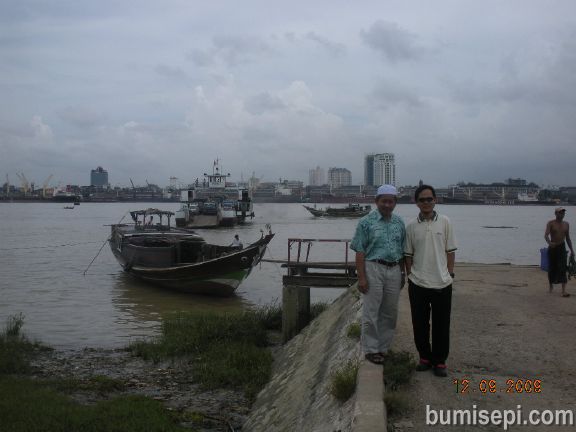
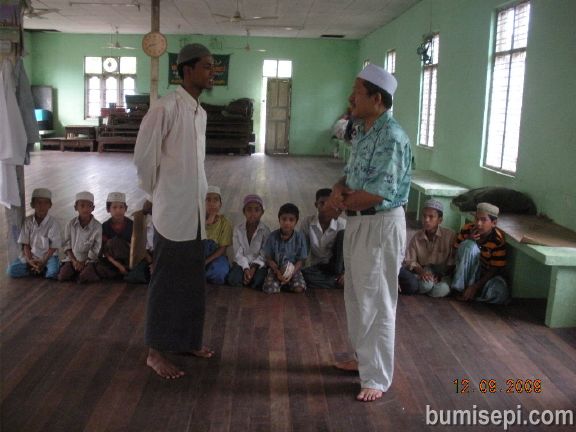
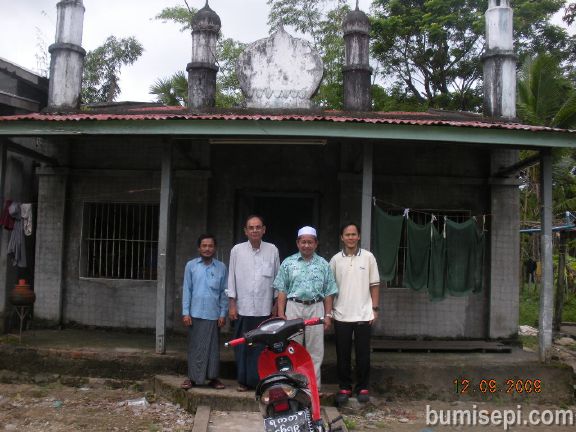
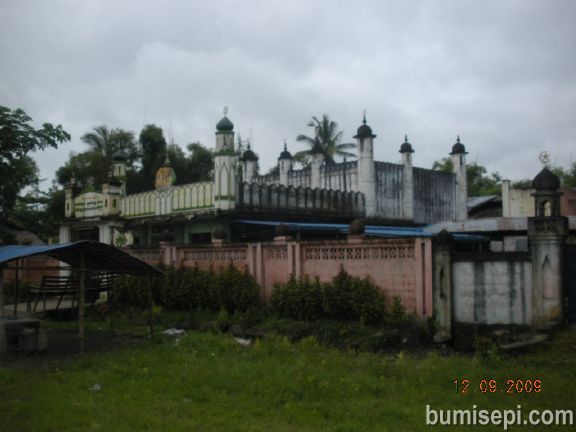
Satu minggu sebelum Eidul Fitri. Ketika yang lain sibuk memohon cuti untuk pulang beraya di tanah air, aku dan beberapa orang sahabat sealiran menjejaki kawasan delta di sekitar Yangon, mencari masjid-masjid yang memerlukan bantuan kewangan. Aku ditugaskan menyampaikan Tabung Ramadhan sumbangan pekerja moslem di tempat aku bekerja kepada golongan yang memerlukan. Rancangan kami ialah mencari umat Islam di luar kota Yangon kerana pada firasat kami masyarakat Islam di kota Yangon sudah banyak menerima sumbangan dari NGO Islam atau kedutaan-kedutaan negara Islam seperti Arab Saudi. Hari itu di Masjid Kokhine, aku melihat kotak-kotak buah kurma seberat 2kg satu pek di satu penjuru masjid untuk diedarkan kepada fakir miskin setempat. Tertulis di atas pek itu “A gift from the guardian of two holy lands”. Kerajaan Arab Saudi memang dermawan.  Semoga Allah menerima amalan mereka dan amalan kami.

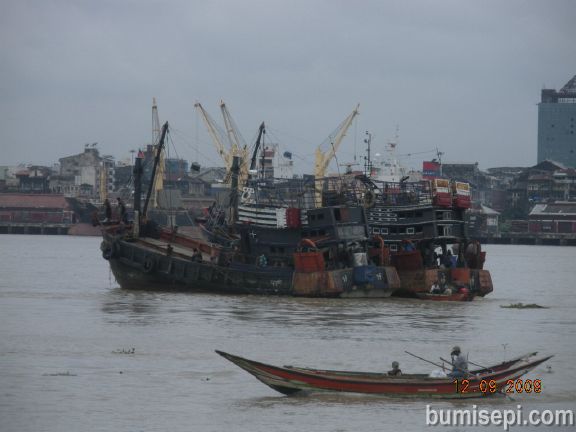
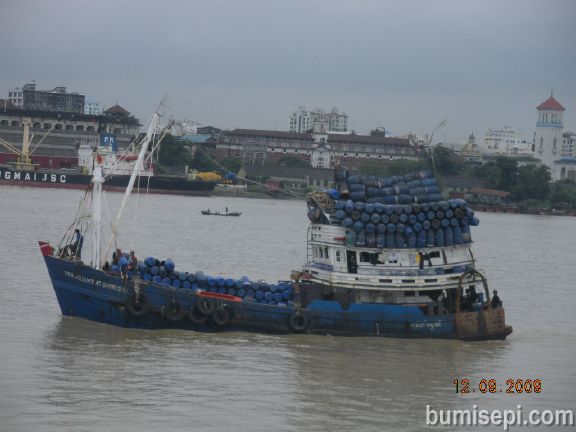
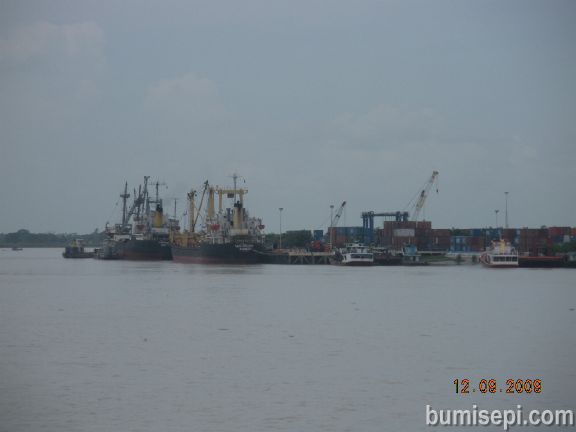
Kawasan delta (delta area) merujuk kepada kawasan tanah subur lembangan Sungai Ayeyarwaddy (juga dieja sebagai Irrawaddy) dan beberapa sungai lain seperti Sungai Yangon dan Sungai Bago. Sungai Ayeyarwaddy merupakan sungai terpanjang di Myanmar mengalir dari kawasan pergunungan di utara menuju ke kawasan delta dan seterusnya memasuki Laut Andaman di selatan. Ia merupakan nadi pengangkutan air utama. Bandar utama di kawasan delta ialah Pathein. Semasa taufan Nargis melanda pada tahun 2008, kawasan ini adalah yang paling teruk terjejas. Air melimpah hingga ketinggian 6 meter dari paras permukaan bumi dan hampir 200,000 orang menjadi mangsa.

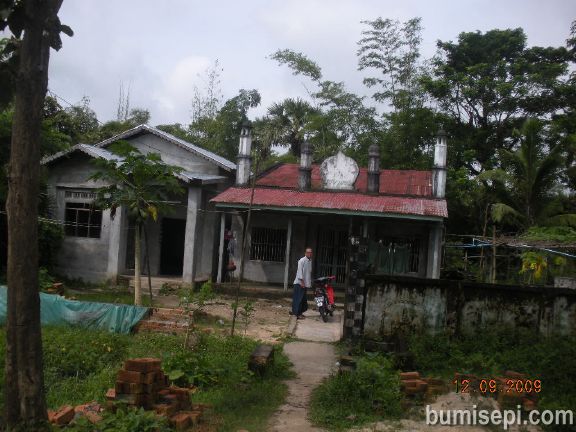
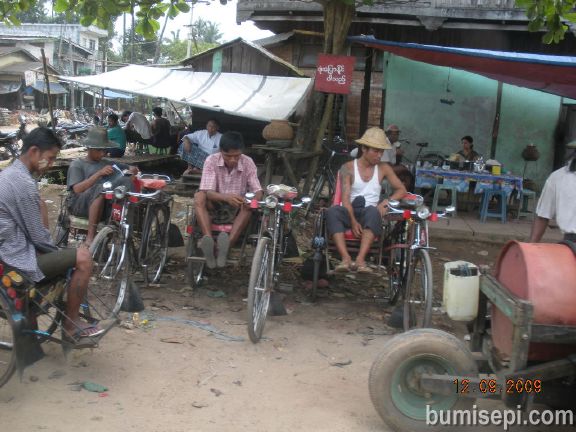
Destinasi pertama kami ialah tiga buah masjid dalam perjalanan ke Konyangon, satu kawasan perkampungan di muara Sungai Yangon.  Masjid Sanwa dan Masjid Getkone di daerah Twante,  Masjid Zayagone di daerah Kaw Hmu. Jarak perjalanan lebih kurang satu jam dengan kenderaan pacuan empat roda Toyota Landcruiser dari bandaraya Yangon melalui jalan darat. Masyarakat Islam di sekitar 30 – 50 keluarga di sekitar kawasan ini. Kebanyakannya bekerja sendiri (petani, buruh dan peniaga).  Identiti moslem tidak tidak dapat dibezakan dengan yang bukan Islam, kerana kehidupan dan budaya mereka sudah bercampur.   Anak2 dan wanita2 mereka serupa saja, makanan, pakaian, bahasa pertuturan seharian, semuanya hampir sama. Syiar Islam hanya boleh dilihat di masjid-masjid dan pakaian mereka yang masih bertahan dangan pegangan aqidah — lelaki berkopiah putih dan baju putih labuh ala Pakistan, dan muslimah yang bertudung walaupun longgar.  Kami diberitakan sebahagian moslem di kawasan ini dimurtadkan oleh mubaligh-mubaligh Kristian yang pertama sampai menghulurkan bantuan selepas taufan Nargis melanda. Kehidupan di sini memang susah. Semuanya manual.

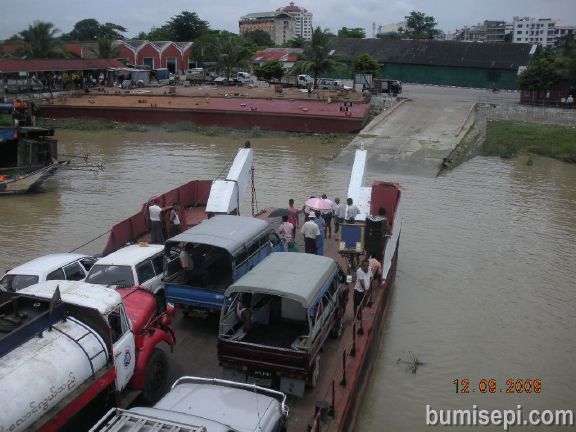
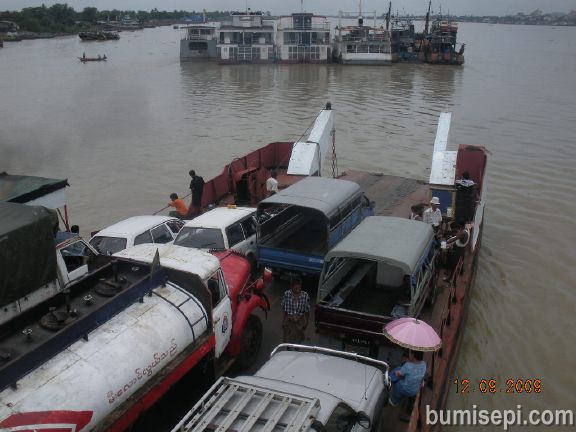
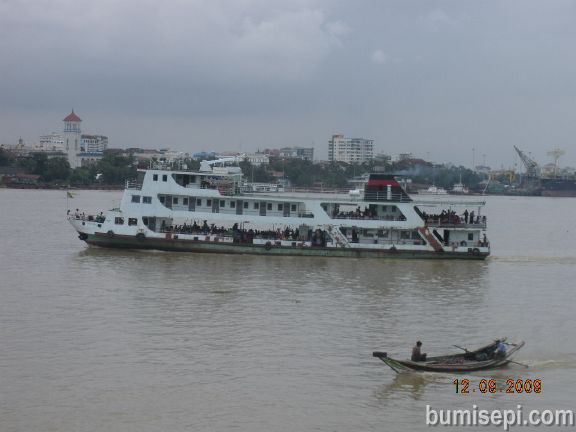
Kami juga sempat singgah di bandar Twante yang terkenal dengan perusahaan tembikar dari tanah liat. Dalam perjalanan balik kami melalui Dallah, sebuah perkampungan kecil ditebing Sungai Yangon. Dari Dallah kami menaiki feri menyeberangi Sungai Yangon ke kota Yangon. Feri RORO (roll out and roll in ferry) membawa kereta dan lori berserta penumpang.
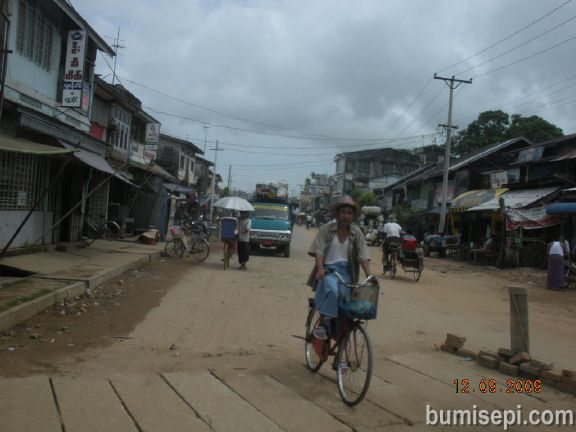
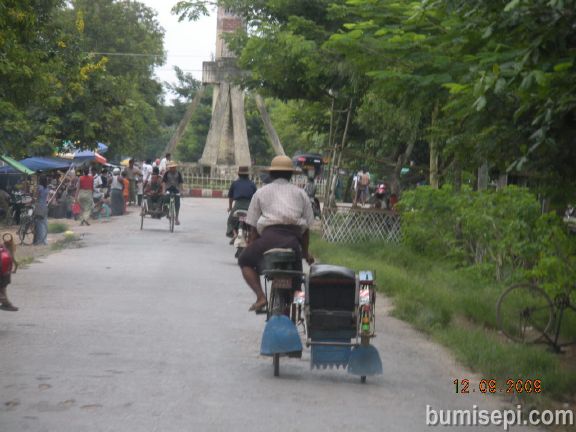
Sistem jalanraya di kawasan delta dan hampir keseluruhan kawasan luar bandar di seluruh Myanmar memang ketinggalan jauh kebelakang berbanding dengan Malaysia. Jalan tidak berturap, sempit, berlubang di sana sini dan tidak terurus adalah perkara biasa. Lembu dan kambing dan khinzir berebut jalan dengan kenderaan yang lain.

Lihat galeri di atas untuk imej-imej sepanjang lawatan ini. Bawak tetikus ke atas imej untuk penjelasan.  Klik dua kali untuk membesarkan imej.

Ramadhan 1430H in Yangon, MYANMAR

First Ramadhan this year (1430Hijrah=2009M) found me in Kuala Lumpur after having attended some business meetings in Malaysian capital city.   I took MH740 flight back to Yangon only on Sunday morning. It was fairly a good flight except when approaching Yangon where heavy clouds littered the southern Myanmar sky and despite the enhanced avionic technology, this Boeing 737 – 800 — the upgraded version of B737 with distinguishable flipped wings feature — still could not withstand the force of the nature, to be exact, the power of Allah SWT.  The plane was relatively new in Malaysian Airlines fleet, just introduced mid this year to replace B737-400.  I must say that it is smoother and less noisier that its older cousin B737-400. Nevertheless the flight was not smooth all the way. Approaching Yangon, a couple of times the ever-cool pilot — who talked in word by word — had to remind passengers to return to their seats and fasten seatbelt, due to air turbulence caused by bad weather. Yangon was raining when I left and when I returned. Monsoon season, so to speak. But I was asleep half of the time of the flight and half asleep at the other  half.  I knew when the meal was served even though with eyes closed, as the aroma was so familiar and so intense. A slight feeling of regret was felt when embarking at the gate as to why I did not ask the stewardess to pack one for my iftaar. Yes it was second day of Ramadhan and I was fasting.
Lets move on with the theme of this post – Ramadhan on Yangon. FYI, this is my first Ramadhan in Yangon and Myanmar after being posted here.
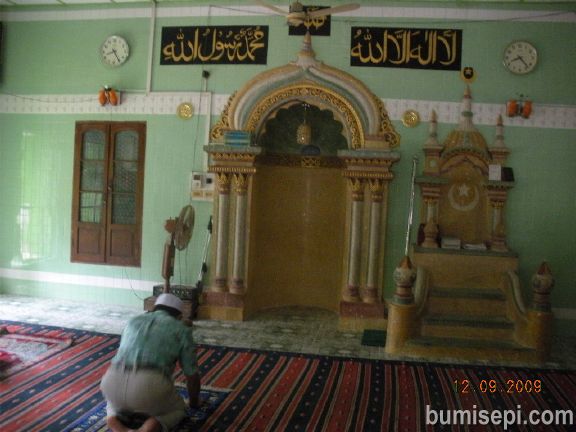
I managed to find time one afternoon in between work to perform solat  Zuhur at Masjid Kokhine Masjid at Kabaye Pagoda Road.  I had to meet Brother Anwar to pay up my iftaari sponsorship I promised him before I left for KUL a week before. He was sharing some story about ifttaar program they are organizing every day in Ramadhan. They needed sponsors for this program — you may sponsor one session for about 35000 kyats. He is the bilal and the trustee for the Masjid.

One night I hailed a taxi to go to the same masjid for solat Taraweh.  It was old white Toyota SE with no inside door cover at the front passenger side. It was just like a mechanic’s car. I could see the gear and other things which control the sliding of the glass window up or down.  When its engine accelerated, it sounded like the helicopter I took the other day to the offshore. But the  driver was really friendly, he was in the talking mood and was asking about where I came from, despite his mouth was full with sirih (beattle leave).

“You Malayu? You Malayu?”. He asked me inquisitively.

I answered in affirmative. And then suddenly we had so many thing in common.  Apparently he was working somewehere in Kajang for four years and returned to Myanmar in 1997. He said one thing he missed badly about Malaysia was bah-kut-teh soup. He said he could not find it here in Yangon such a delicacy. I felt like throwing up. Cultural diffences, I convinced myself.

He charged me 1500 kyats for a 5 minutes ride, and for some information about himself.

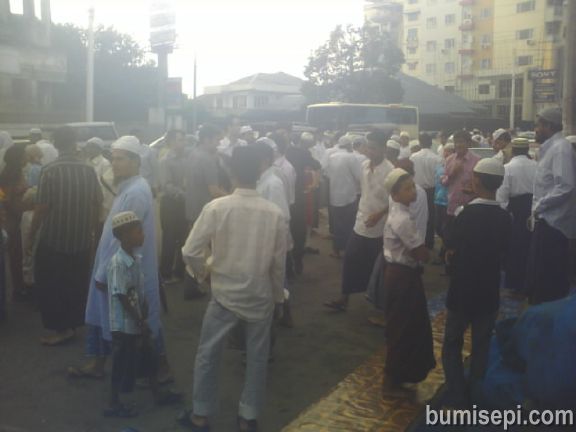
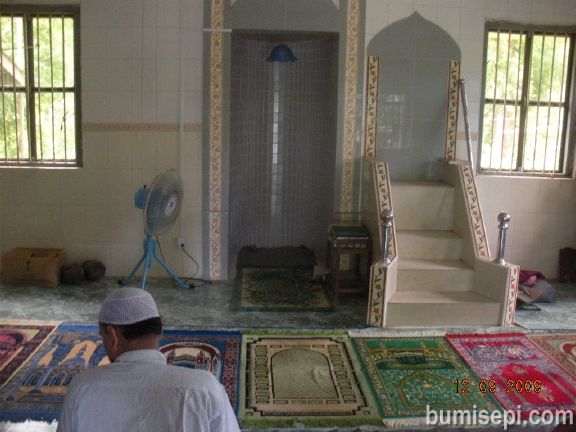
Solat Isyak started at 8pm sharp. Solat Taraweh started right after long solat sunat ba’diyah Isyak.  Moslems here are Hanafi followers and they are very particular about solat in jamaah and solat sunat (or nawafil). Our brothers here perform long solat sunat especially after Zuhur, Maghrib and Isyak. While we Malaysians are generally contented with 2 rakaat or none at all, they could go up to 8 rakaat easily. Times for solat fardhu in jamaah are calculated exactly to the minute and displayed at the notice board so that everybody can participate. When the time comes, it starts on the dot.  If you come five minutes late, you will miss it. This is a practise for all masjids in Yangon. To me it is a good practise which can be copied by  Malaysians, who in majority did not bother to solat in masjid, even though his house is next to a masjid’s loudspeaker.

Solat Taraweh was done in 2 by 2 rakaat. The imaam was a young hafeez from a local madrasah. He led the first 4 rakaat before another imaam (another young hafeez) took over and continued with another 4 rakaat.  So all together there were five hafeez leading the solat taraweh. They read surahs after Fatihah very fast, compromising the rules of recitation of verses of the Holy Quran (tawjid). Could not blame them either, since they had to complete the whole Quran within Ramadhan. This happened in Malaysia also and anywhere else where hafeez leading prayers.

The 4 saffs of worshippers remained the same until the end of 20 rakaat. Which meant everybody completes the 20 rakaat. In total contrast in Malaysia where after 8 rakaats, three quarters of jemaah would have left. I have no comment on this.

The regular imaam led solat Witir of 3 rakaat with one salam. It was very similar to maghrib, i.e. with 2 tahiyyats, except in the 3rd rakaat, after a surah was read after alFatihah, there was a long pause before rukuk. I suspected this could be due to Qunut. It caught me by surprise as I  almost went into rukuk by myself after the surah.

There was no selawat in between the 2 rakaats. No tazkirah. The whole 20 rakaats was completed within about an hour. Except for the speed, it was a memorable experience for me.

At 9:30pm, in front of the masjid, Kabaye Pagoda Rd was still busy with traffic. I took another dilapidated white taxi home.

Menggubah Bunga di Yangon, MYANMAR

14 Ogos 2009:

(Catatan ini ditulis oleh Wannor)

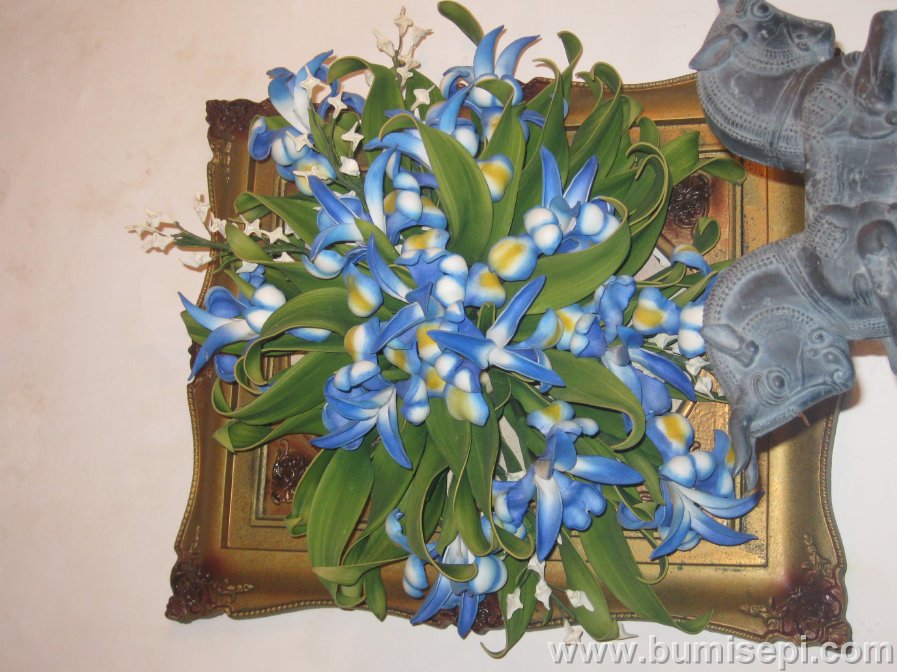
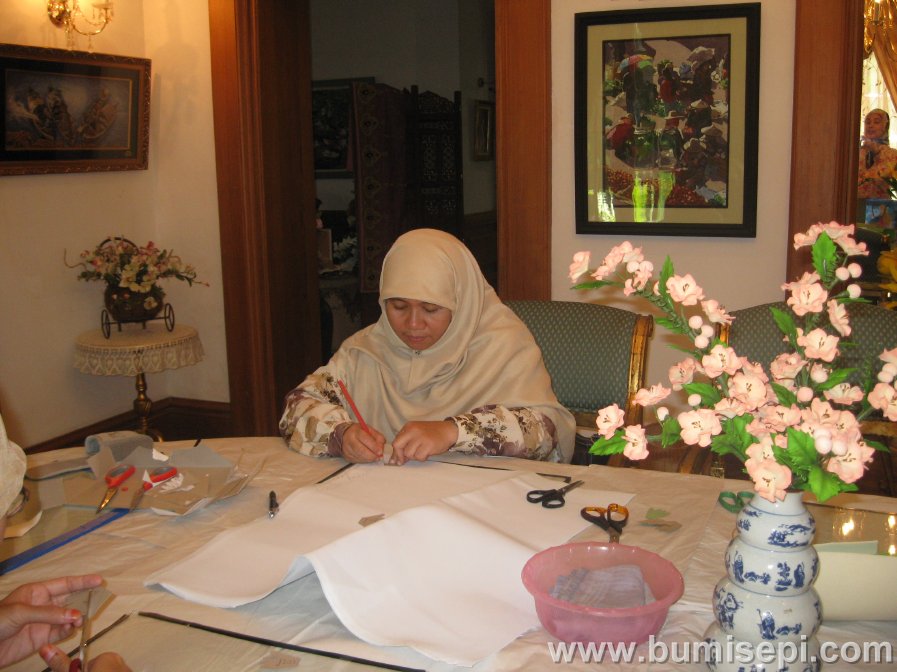
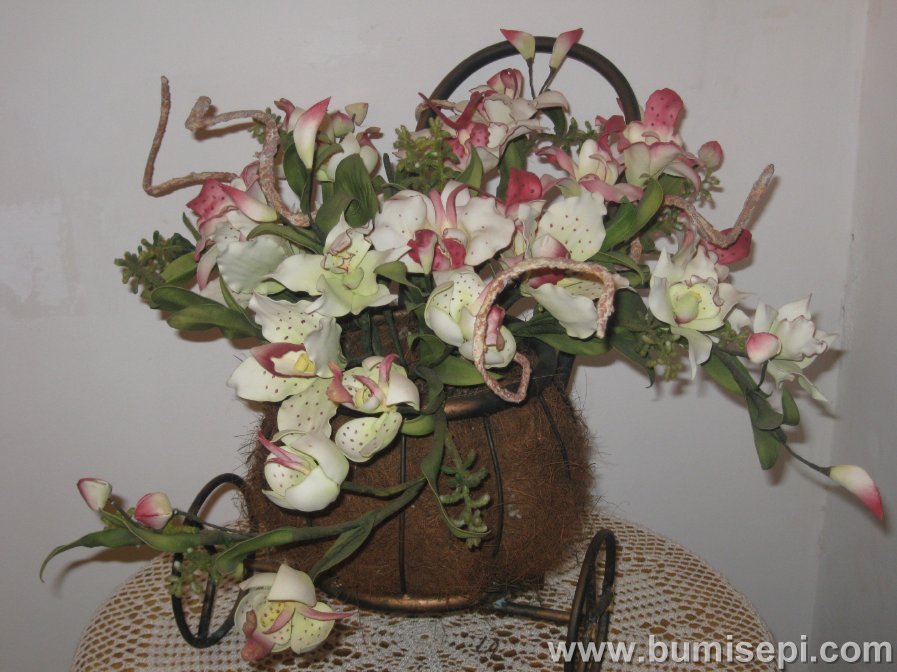
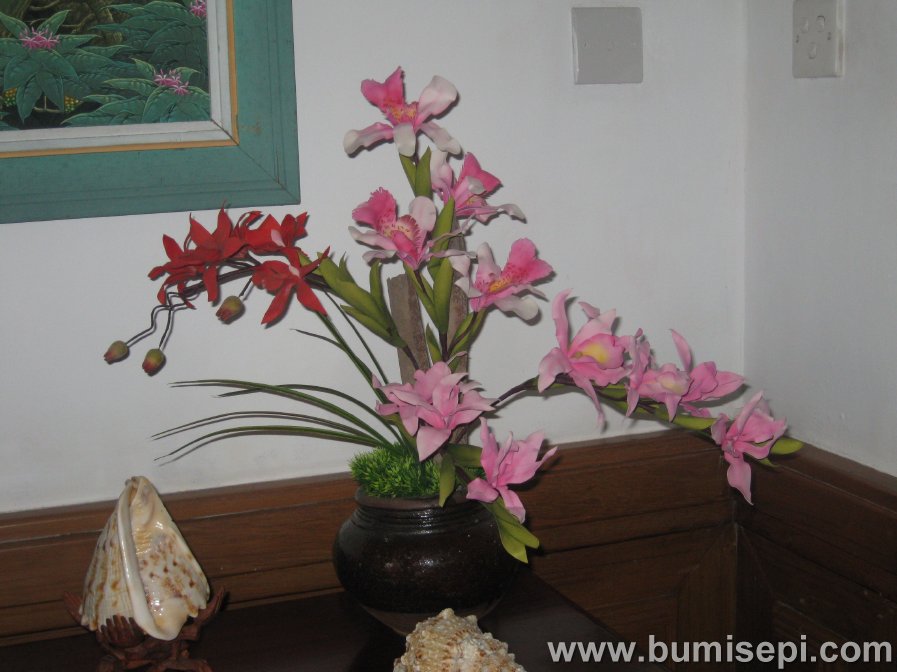
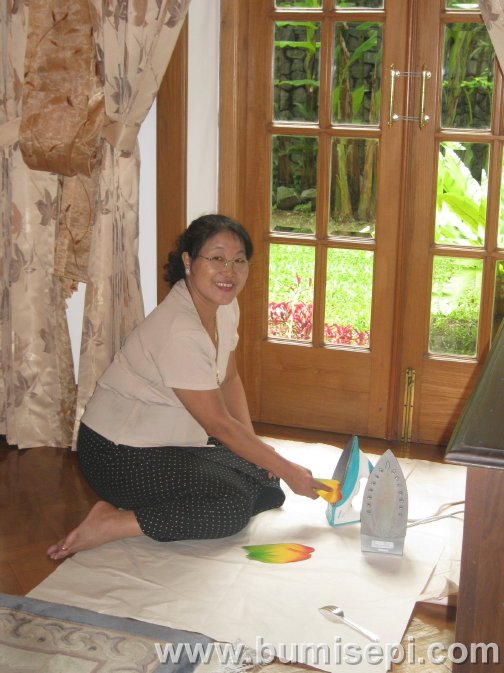
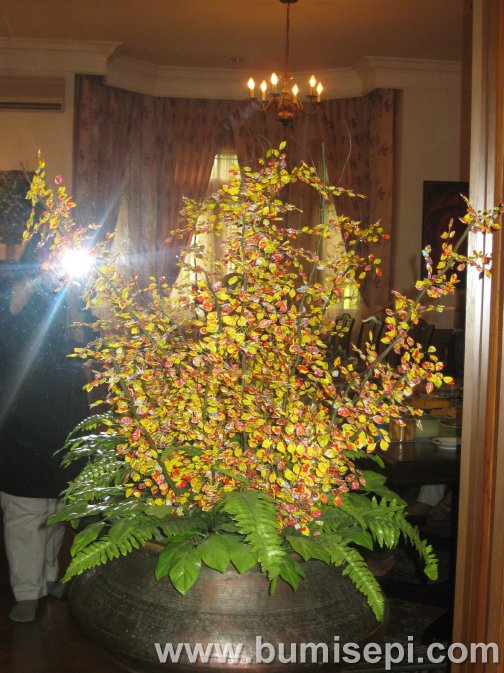
Hari ini Datin menjemput kami ke kediamannya di Inya Road di pinggir kota Yangon. Program ini ialah program kesukaannya dan berkebetulan dengan minat saya pada suatu masa dahulu semasa di zaman bujang dahulu. Tetapi entah bagaimana minat itu pudar dan hilang dek kekalutan dan himpitan kehidupan. Tapi bakat itu timbul semula dan diasah semula sejak saya turut serta dalam aktiviti PERWAKILAN Yangon. Beberapa teman ikut serta termasuk seorang dari wanita tempatan Myanmar. Aktiviti ini memang menyeronokkan dan tidak sedar masa berlalu begitu pantas. Lihat galeri di bawah untuk sampel gubahan bunga yang dihasilkan.

INDIA / Mumbai India

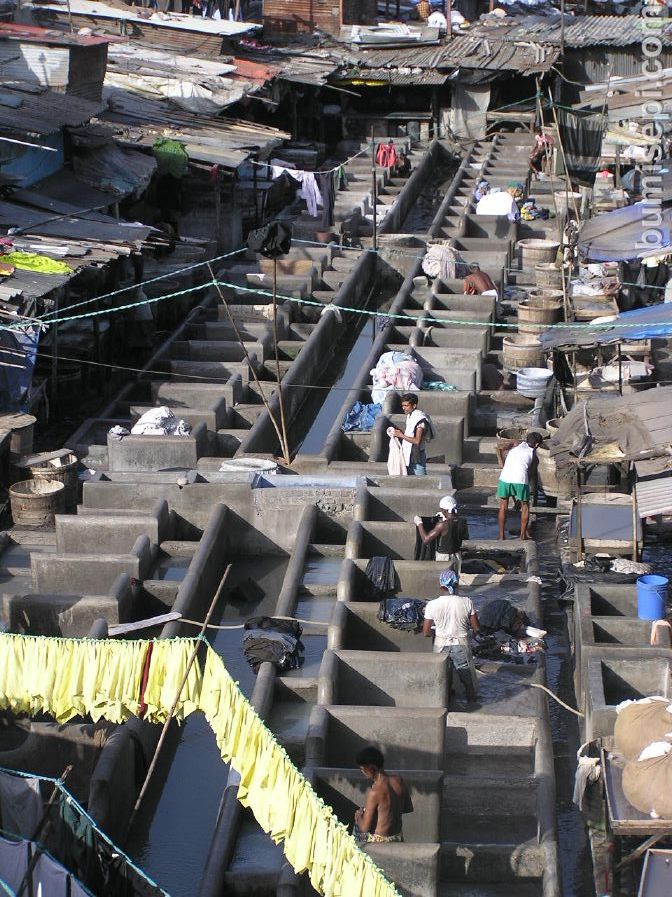
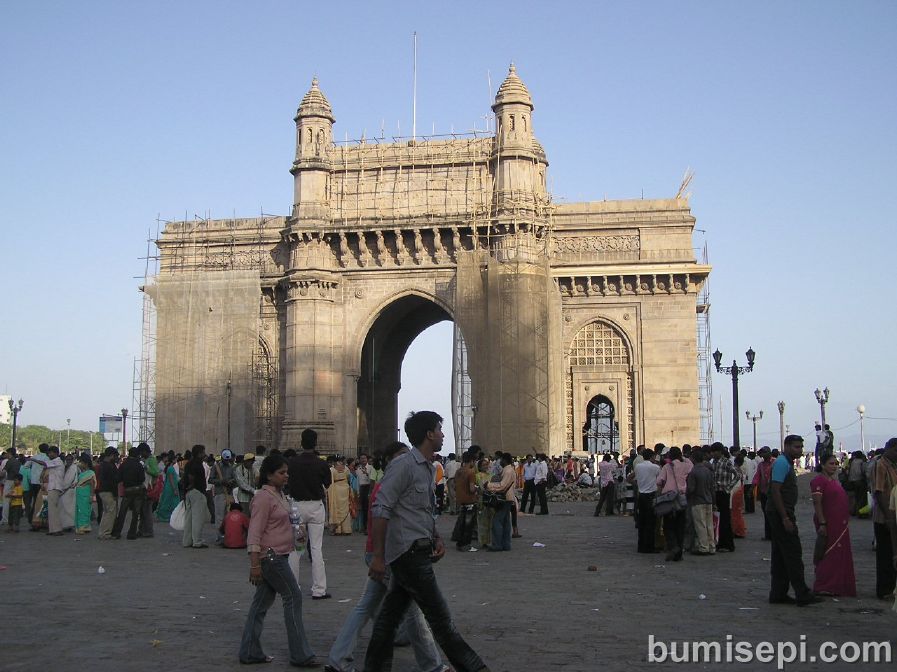
This project was undertaken in August 2008. The motive was simple.  A close friend was posted to Mumbai, India and he emailed me — “This city is your type. You’ll like it. Come while I am still here.”  Despite busy schedule,  I did visit him one month before his repatriation to Malaysia, after getting my annual leave approved by the boss. All on my own expenses — except the accomodation, where we put up in his company-provided compressed but neat apartment in Bandra West, north of Mumbai. That was part of the deal to visit him — give me a place to sleep. We spent a couple of days exploring Mumbai, before we flew to Delhi to visit places tourist normally go. From Delhi we traveled 203km to Agra by road, to see one of the seven wonders of the world, the magnificient Taj Mahal. Back to Delhi the next day and later on the same day flew back to Mumbai on airline GoAir, one of many budget airlines plying domestic routes in India.

Follow these links for more photos on Mumbai.

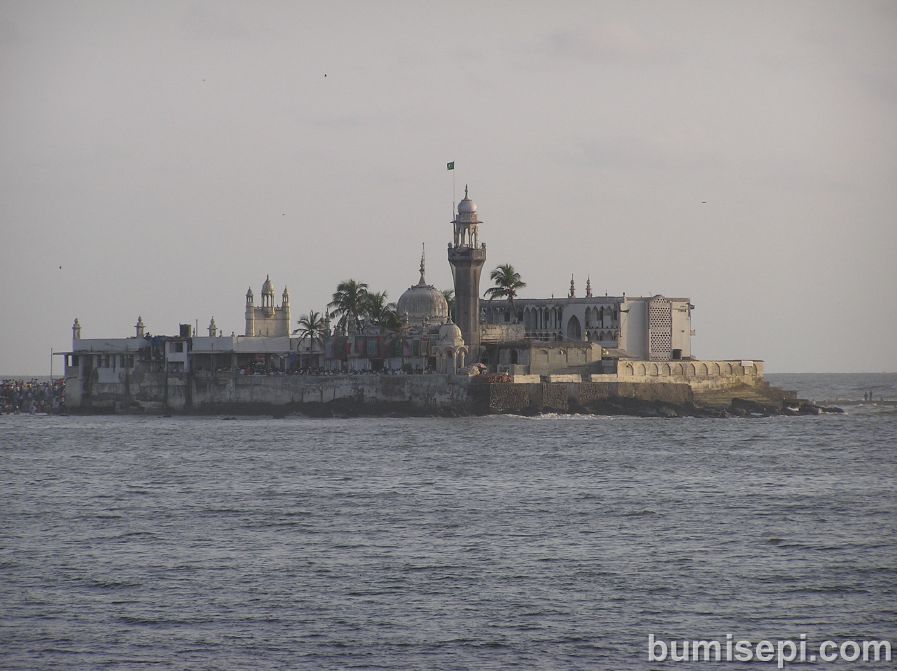
This was my first trip to India. I have started this Mumbai story in my previous posting during blogspot days. Preparation before departure, visa requirement and small introduction to Mumbai (plus few places like Crawford Market and Flower Market and Dargah Haji Ali) can be found in this link. But heavy workload then was holding me from further update. This posting will continue, insyallah, from where I left last time. India is too interesting to be missed in your travel plan, before you die. So enjoy this story of the roads.

This series will start with Mumbai, followed by Delhi and Agra. (Technically speaking, I am testing In-Series plugin to tie this series together).

Thailand by Bus (Part 5) – Ayutthaya > Bangkok > .. > Sungai Kolok

One of the ancient ruins in Ayutthaya

One of the ancient ruins in Ayutthaya

Heading south from Chiangmai and Chiangrai and Maesai, we made a quick stop at this ancient city. Ayutthaya was a capital of  Siam, founded some 600 years ago. The Burmese army seized and destroyed the city in 1767 and what was left behind ever since were the ruins, which can be seen today.  Declared as one of the world heritage sites by UNESCO, efforts are under way to reconstruct the city’s past glory. If you are into history and old wats and palaces or something like that, look no more. Spend some times circling the city either by horse cart or on foot. Tourists are aplenty here.

Ayutthaya is very near to/from Bangkok, less than one hour drive.

Thailand by Bus (Part 5) – Ayutthaya and back to Sungai Kolok.

This is the last part of Thailand by Bus trip. After Ayutthaya, we headed south to Bangkok and spent a night at Hotel Chaleena in the Ramkamheang area. That night we shopped and dined in Pratunam shopping district. The next morning, we visited Grand Palace in Bangkok and a shopping center nearby. [Refer to Part 2 posting on this Bangkok story]. After sumptous lunch of white tomyam soup and solat Zuhur/Asr at Masjid Darul Aman at Phetchaburi, we undertook the last stretch of the journey from Bangkok to Sungai Kolok. Again we missed the coastline of Chumphon and Surat Thani provinces, due to night time. We stopped at Hatyai the next morning for late breakfast – nasi kerabu Kelantan style. Continued to the south, we stopped for lunch at Pattani and proceeded immediately to Narathiwat to beat border crossing closing time into Malaysia at 6pm. [Refer to Part 1 posting on this story].

Finally we reached Sungai Kolok at about 5pm with the same double decker bus fully loaded with counterfeit items and souvenirs from Thailand (read: China). Border crossing into Rantau Panjang, Malaysia,  was a breeze — surprisingly — thanks to Matlee, due to his fierce connection with border people. It was one of the trip I could not forget.  Thailand is always in my mind for years to come.  To Cikgu Anuar, wherever you are. if you have other interesting projects, let me know. We share the same interest in the story of the roads.   Terima kasih untuk semua. Wassalam.

Page 42 of 44

Powered by WordPress & Theme by Anders Norén