bumisepi.com

life is short. do first thing first.

“They are your employees, by Laws”

May 17th 2010:

I was in his office to seek his legal opinion on our stand-off with our employees at our plant in southern Myanmar. He was our local legal counsel, so to speak.

Counsel’s view was crystal clear. They are your employees and you have some obligations on them.  You cannot simply terminate their contract and pass it over to another Company. I argued on the basis that my Company  has no contractual obligation whatsover, for one simple reason — they have no contract of employment with us.  Yes they worked with us and we paid them daily salary, but that’s it. No other benefits for them. They are not our permanent staff. My argument went down in the drain in front of the old man but spoke well in English, but rather slowly. He reached for old law books from his lower drawer. It was very hot in his Yangon downtown office — mid 40C.

“Still valid you see. This Act was passed in 1923. Workmen Compensation Act 1923. This one defines the workman.”

I browsed thru the yellowish stained pages, written in Burmese, but some pages got English translation.

“This clause (m) says contract of employment not necessarily signed . It can come in form of expressed or implied, oral or writing.”

I nodded my head in agreement. Facts were presented in front of my very eyes.  I am the man of facts and how can I deny these facts. I looked down at the busy Pansodan Road and words of my boss in the HQ kept coming back to me : BE EXTRA CAREFUL IN TERMINATING LOCAL STAFF. YOU DO NOT KNOW WHO THER FRIENDS ARE AT THE TOP.

SAJAK – Tetamu di Istana Negara

NOTA: Saya terjumpa sajak ini di salah satu yahoo forum. Semua kredit kpd penyajak seperti nama di bawah.

TETAMU DI ISTANA NEGARA

Seorang teman berbisik padaku
apalah ertinya bintang-bintang tersemat di dada
pada saat kita semakin dimamah usia
aku menjawab
penilaian Allah lebih teliti
kurniaan raja cuma sebagai simbol nostalgia
nanti anak-anak kita akan berkata
pada suatu ketika dahulu
ayah kita pernah mengadap raja
noktah.
Tika kamera tv menyorot penerima anugerah
temanku dan aku terus berbisik-bisik
daerah hidup yang sebentar dan mati yang menunggu
kedengaran nama kami disebut
penghulu istiadat
Datuk Pengelola Bijaya Diraja
ISTANA NEGARA
22.2.2000
Jam 11.00 pagi

SAJAK – Seorang Sufi Yang Menangis Di Tepi Perigi

Nota: Saya terjumpa sajak ini di salah satu yahoo forum. Semua kredit kpd penyajak seperti nama di bawah.


Seorang Sufi Yang Menangis Di Tepi Perigi

Seorang sufi menangis di tepi perigi yang telah kering
Air mata tidak bisa kering di pipi
Matanya dihunjamkan pada dunia yang parah
Ternyata air mata sufi tidak bisa merubah dunia
Tidak ada karomah pada satu kolah air mata
Apalah ertinya untaian tasbih di jari jemari yang longlai
Tidak ada sirna
Tidak ketemu yang fana
Dunia tidak mengambil pusing
Apakah doanya akan sampai ke sidratulmuntaha
Inilah sebuah melankolia mimpi siang
Sesedih al Hambra di Andalusia
Apakah sejarah akan berulang
Sebuah kebangkitan
Mukadimah dan bidayatil bidayah mula menyerlah
Al Mahdi dan Al Maseh sudang kian hampir
Qad iqtarabatissaah
Benarlah kiamat kian hampir
Para wali sedang bikin kerja
Yang tak terjamah mata
Kerana semua manusia dibutakan terhijab pandangan
mana mungkin “inkisyafah” terungkai.

Ramli Abdul Rahim

23 April 2002

Chaung Tha Beach, MYANMAR

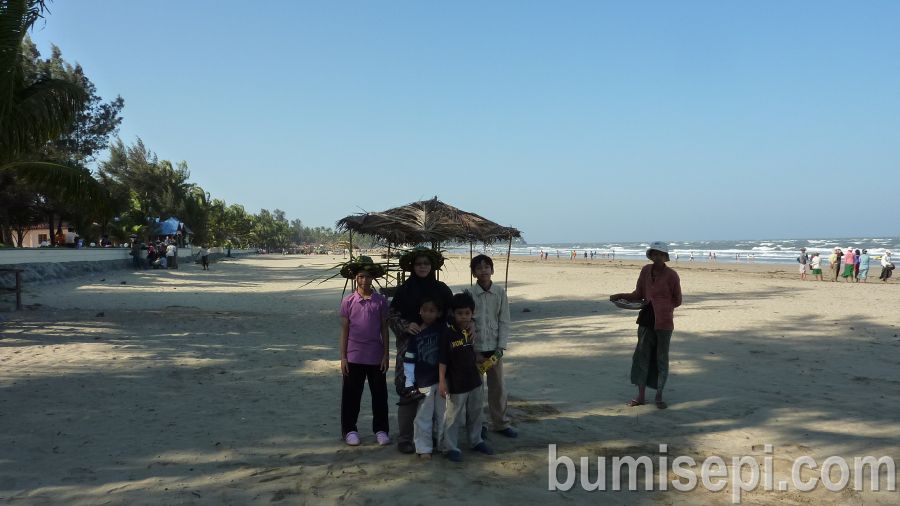
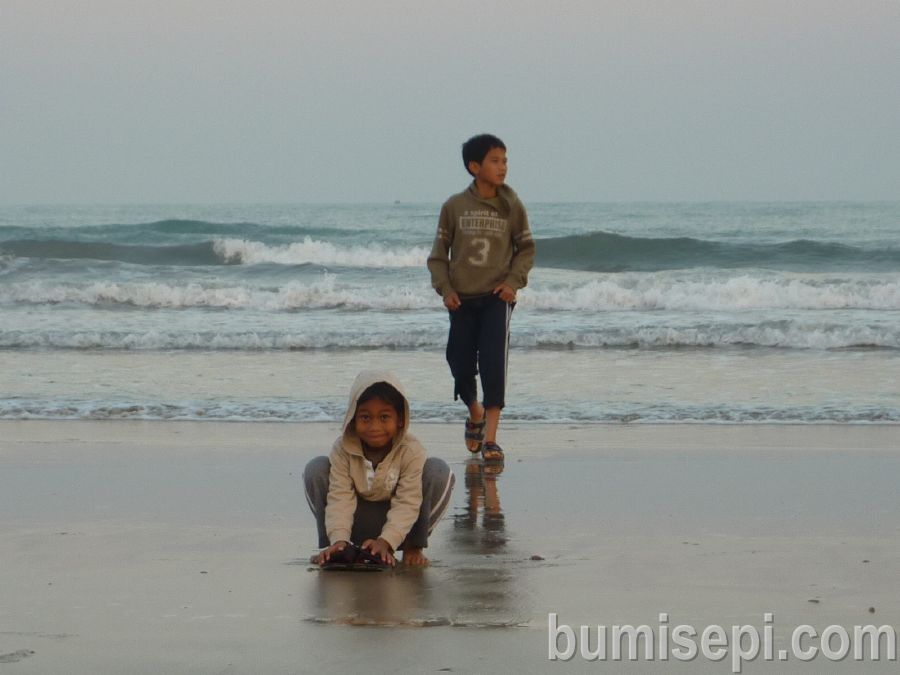
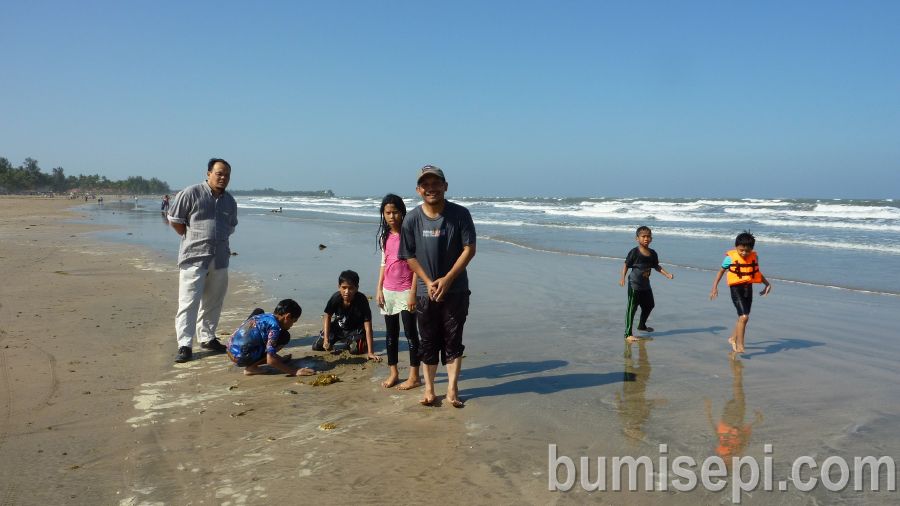
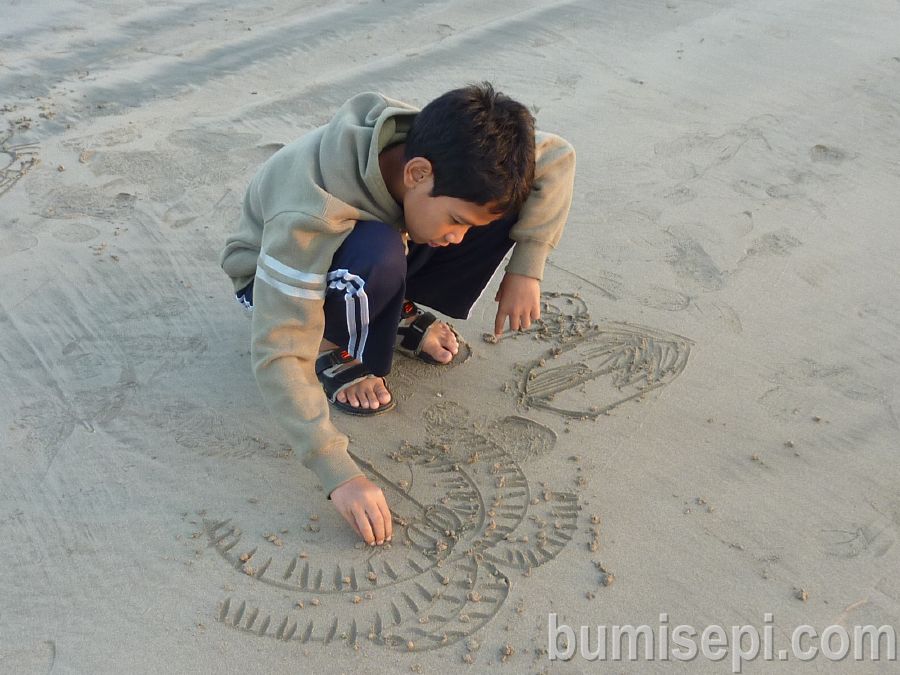
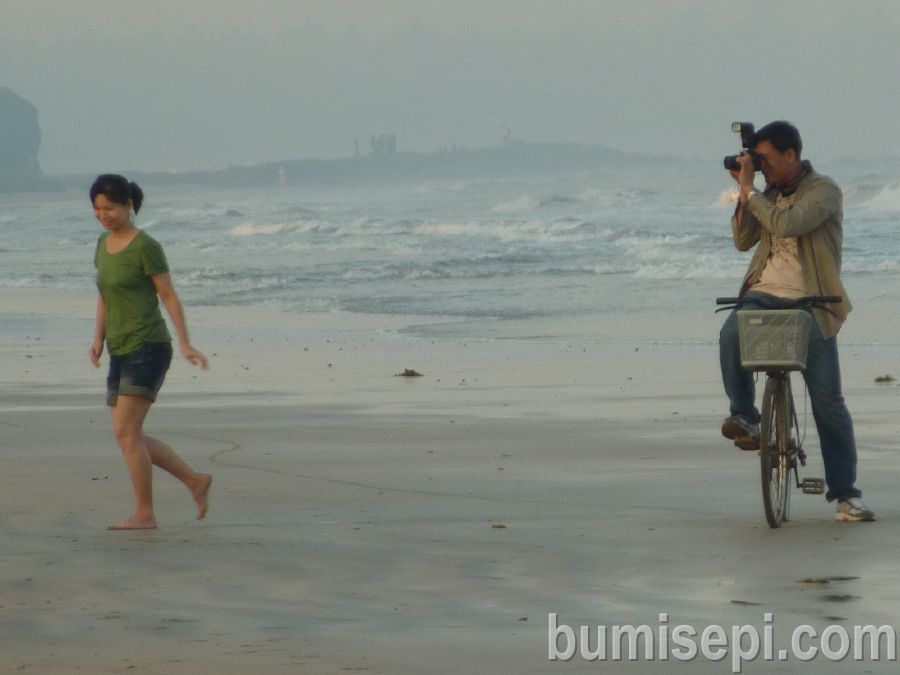
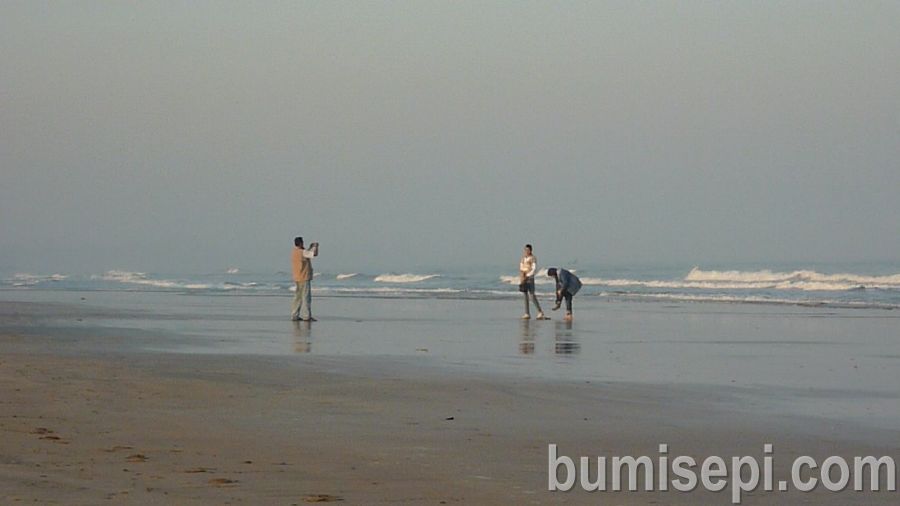
Chaung Tha Beach terletak 40 km ke barat Pathein (Bassein) di Ayeyarwaddy Division.  Perajalanan dari Yangon ke sini mengambil masa lebih kurang 5 ke 6 jam.  Chaung Tha Beach merupakan destinasi pelancongan tepi laut tersohor di Myanmar selain dari Ngapali Beach. Pantainya panjang dengan pasir yang halus dan seakan-akan berlumpur. Pohon kelapa dan kasuarina tumbuh di sepanjang pantai. Dari kejauhan kelihatan beberapa buah pulau pesisir pantai.

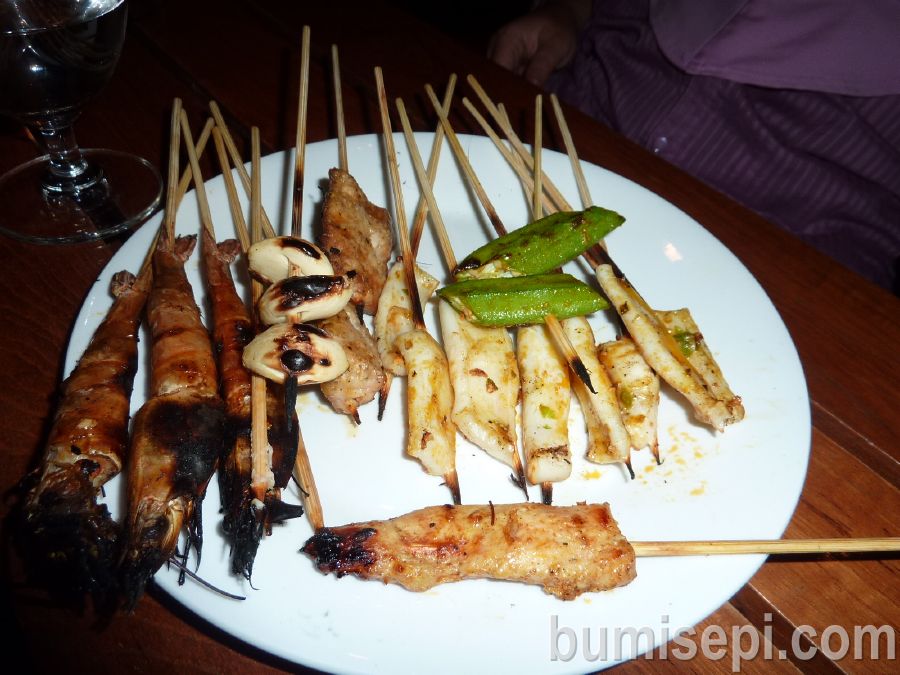
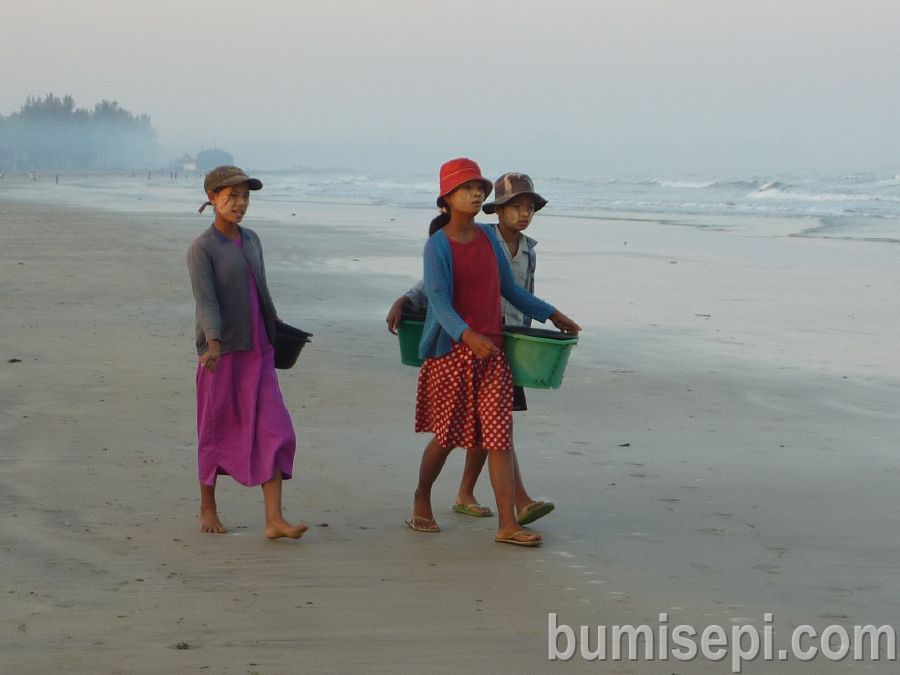
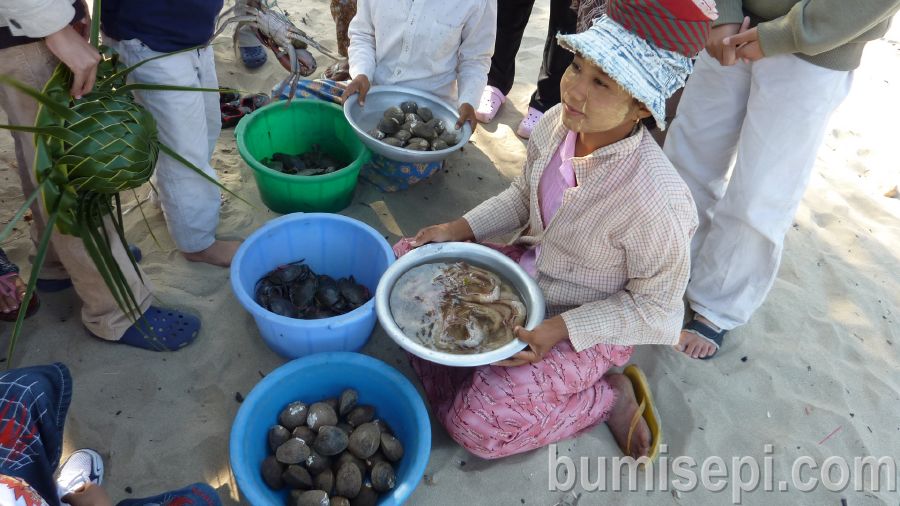
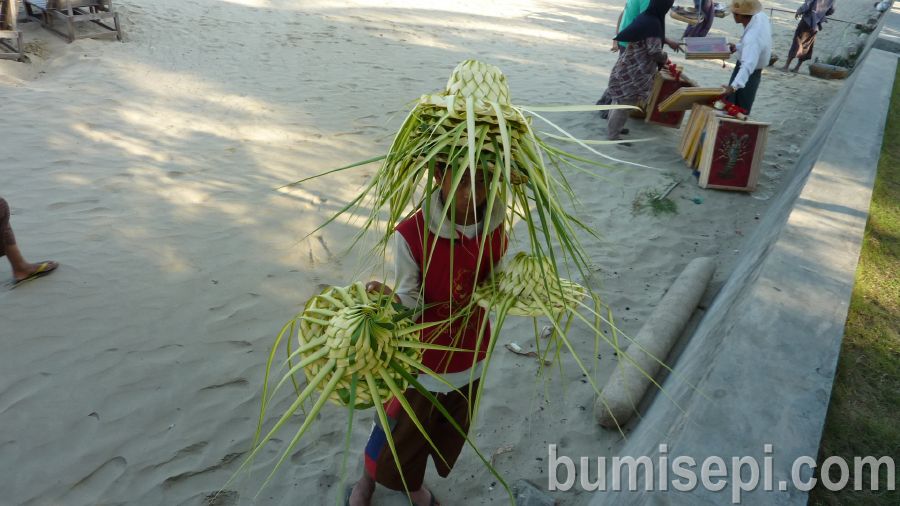
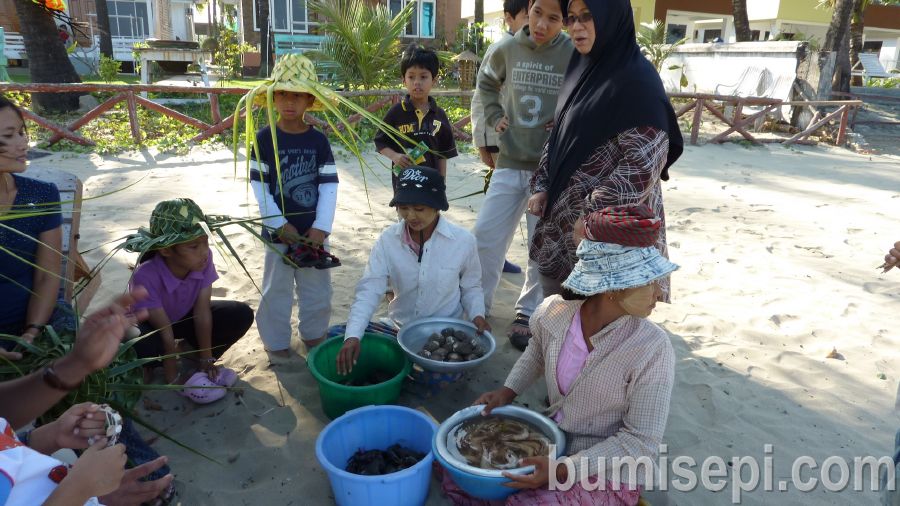
Banyak aktiviti komersial kecil-kecilan di sepanjang pantai. Penjaja membawa barang dagangan mereka di atas kepala menjual barang-barang handikraf dan makanan laut (seafood) dan akan menghampiri anda dengan barang jualan mereka. Ketam memang makanan laut popular di sini. Ketam hidup dijual dalam baldi-baldi besar yang diangkat dengan tangan dari satu tempat ke satu tempat.  Anda pilih bilangan dan saiz ketam yang disukai dan bayar harganya dan penjual akan memasak ketam tersebut mengikut selera anda. Bukan saja ketam, ada udang dan ikan-ikan laut, dan harganya memang berpatutan  – dijual mengikut bilangan dan saiz dan bukannya timbangan, dan boleh ditambah seekor dua lagi. Pendek kata, Chaung Tha ialah syurga makanan laut (seafood heaven). Anak-anak ketam dijual oleh kanak-kanak tempatan untuk dilepaskan ke laut. Harga seekor anak ketam hanyalah 200 kyats bersamaan 70 sen sahaja. Tapi jaga sepitnya.

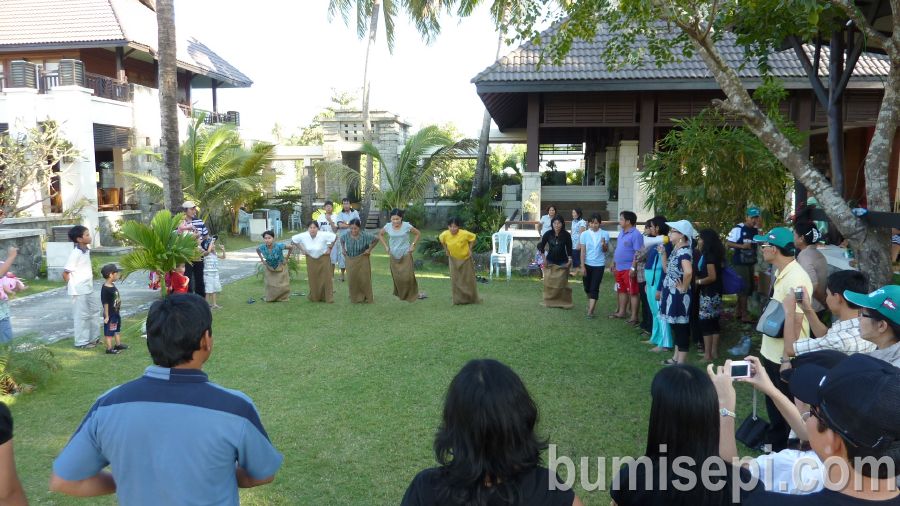
Klik imej untuk saiz sebenar. Lalukan cursor atas imej untuk cerita di sebalik gambar.

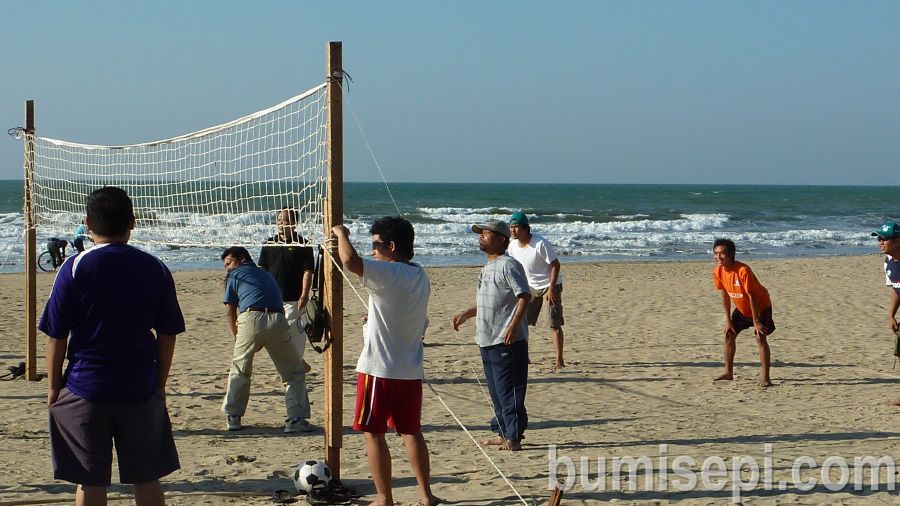
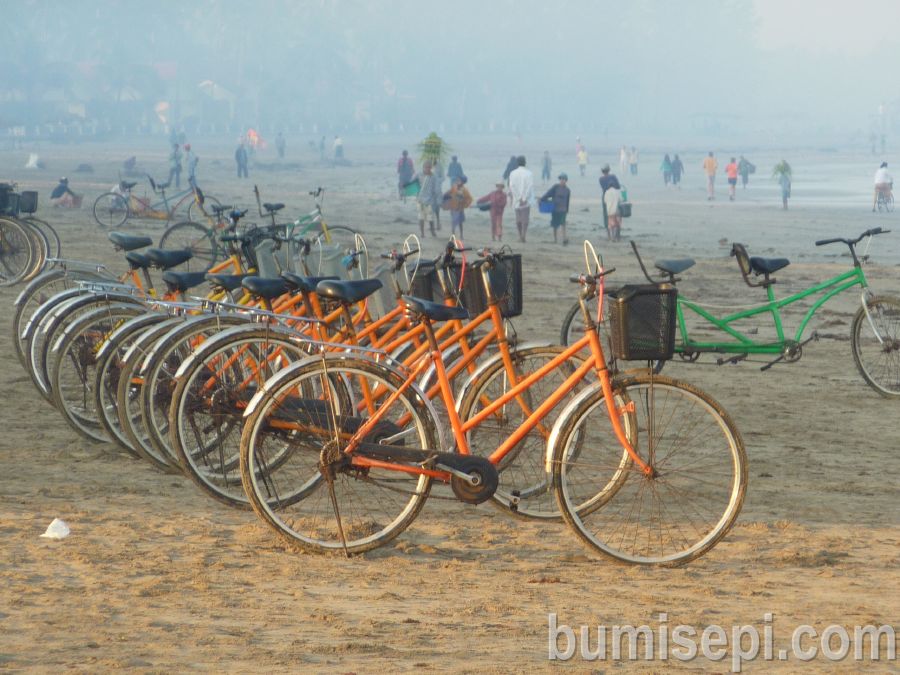
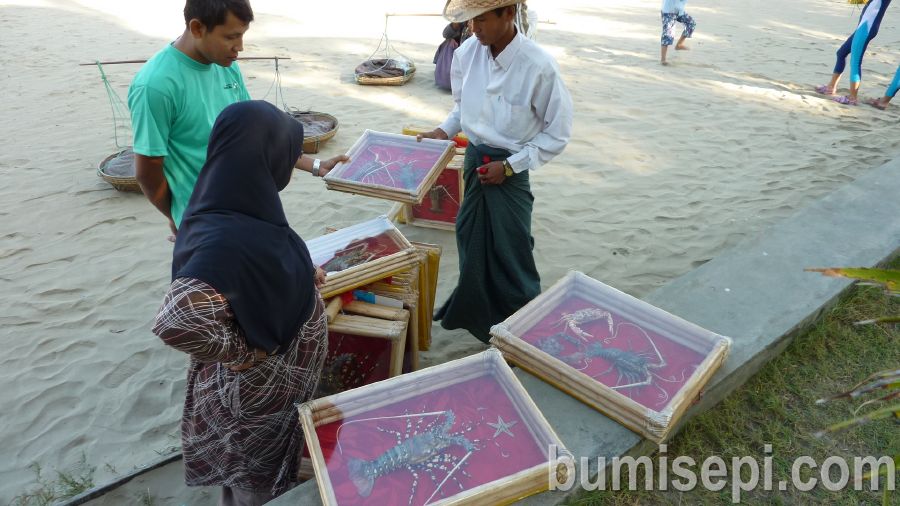
Aktiviti-aktiviti riadah banyak sekali. Anda boleh menaiki kuda di tepi pantai dengan bayaran 1000 kyats (bersamaan RM3.40) selama  15-20 minit.  Kuda-kuda di sini dijaga dengan baik, dengan ekor panjang dan kulit kemerah-merahan seperti kuda lumba.  Anda boleh menyewa basikal. Anda boleh menyewa pelampung getah yang besar dan membawanya jauh ke tengah laut dan membiarkan ombak Lautan Andaman menolaknya balik ke tepi pantai. Anda boleh bermain beach volleyball dan beach soccer. Anda boleh membeli handikraf seperti topi daun kelapa dan kulit ketam atau udang yang besar dalam frem untuk dibawa pulang sebagai kenangan.

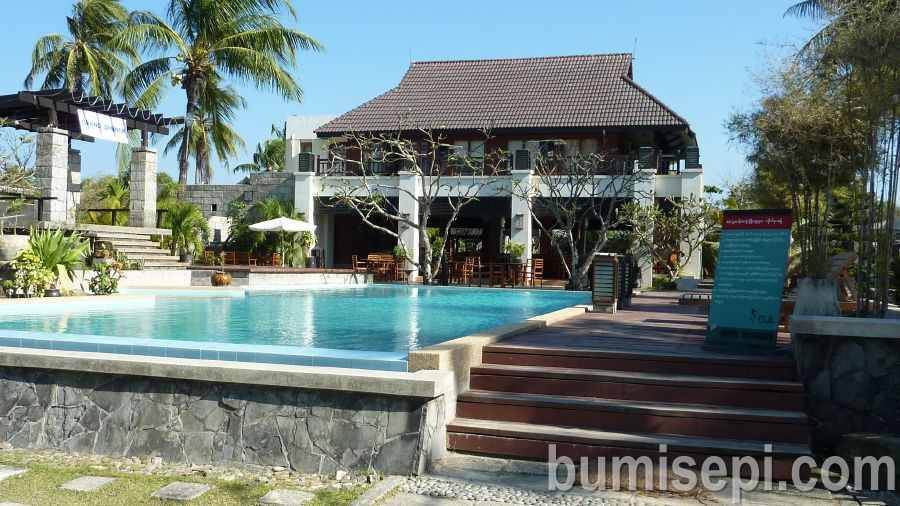
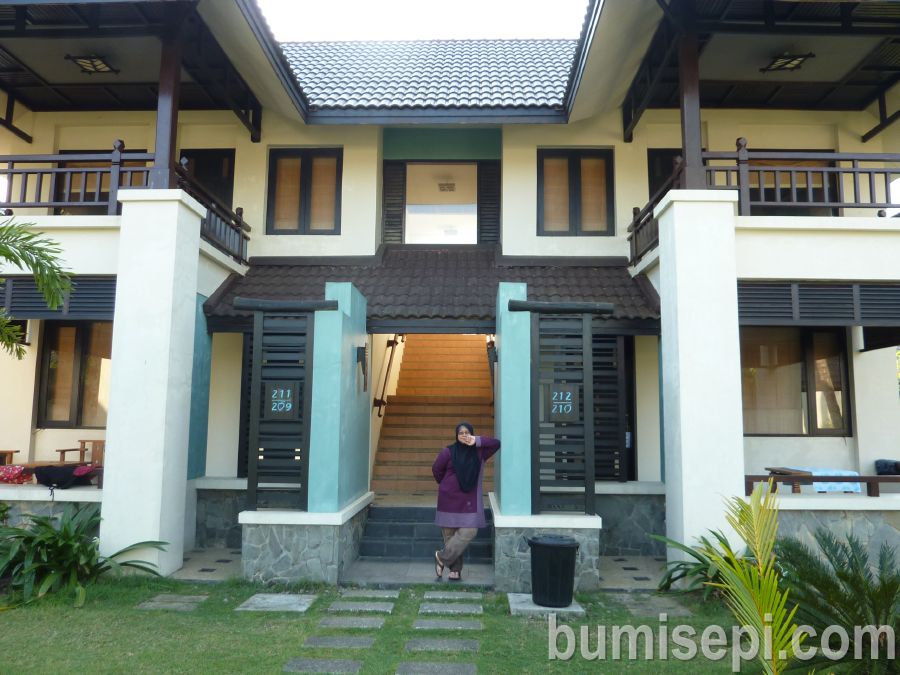
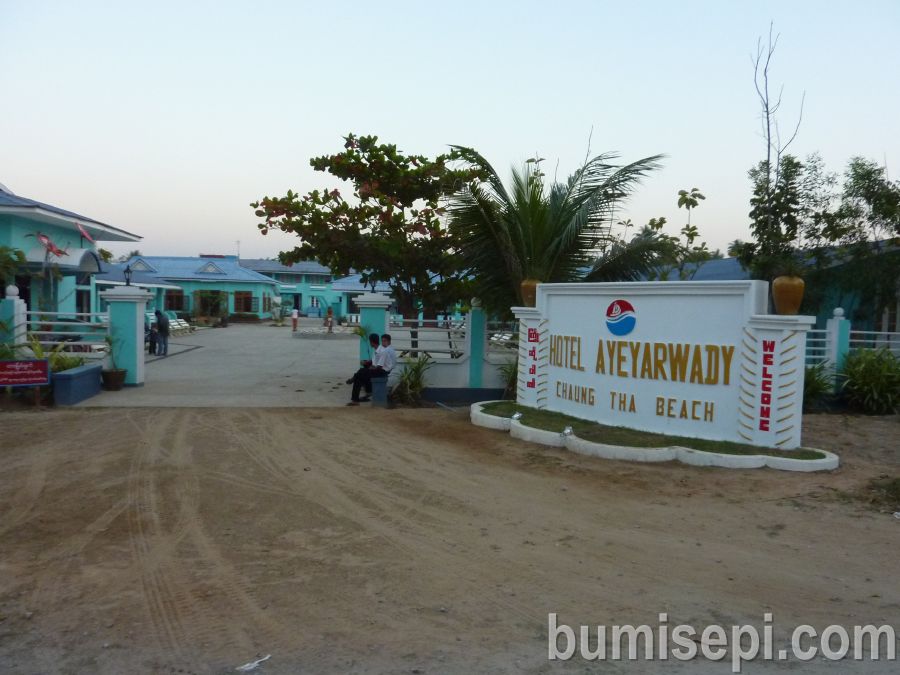
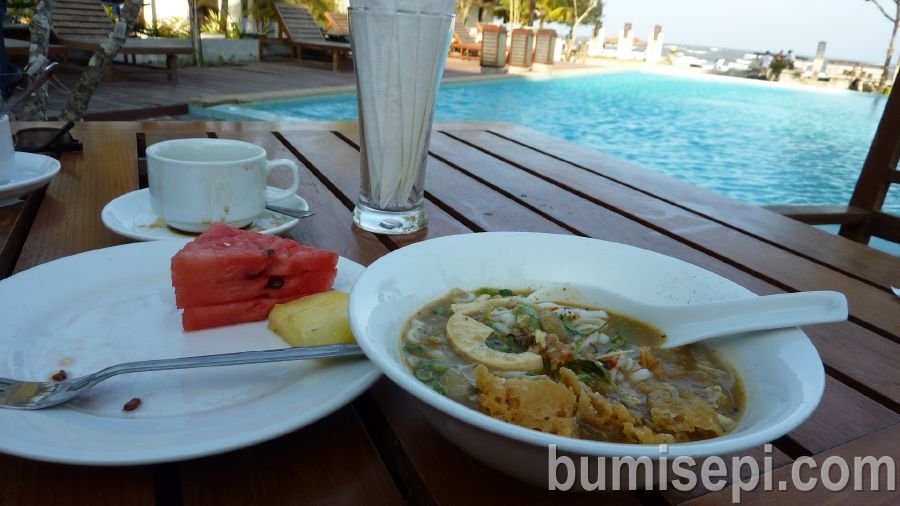
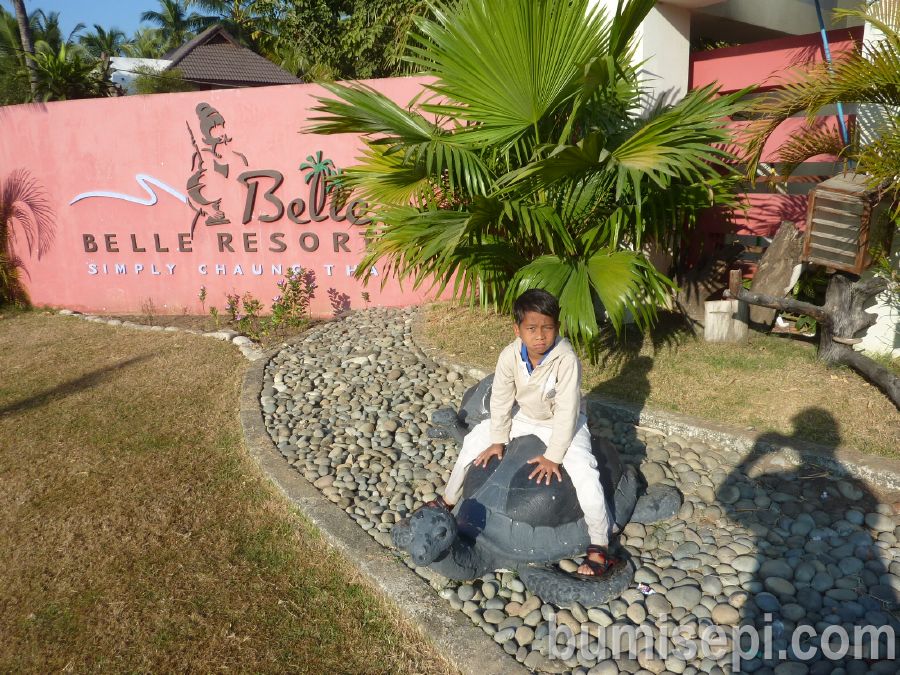
Terdapat banyak hotel berbagai bintang disini. Lawati tapak web ini  http://www.hotelsinmyanmar.com/myanmar-chaungthar-deluxe.htm.  Saya tinggal di Belle Resort sepanjang lawatan ini. Hotel lima bintang dengan kolam renang ini memang mahal (USD80++ untuk bilik deluxe menghadap laut). Saya di sini atas urusan rasmi jadi segala perbelanjaan dibayar Syarikat.

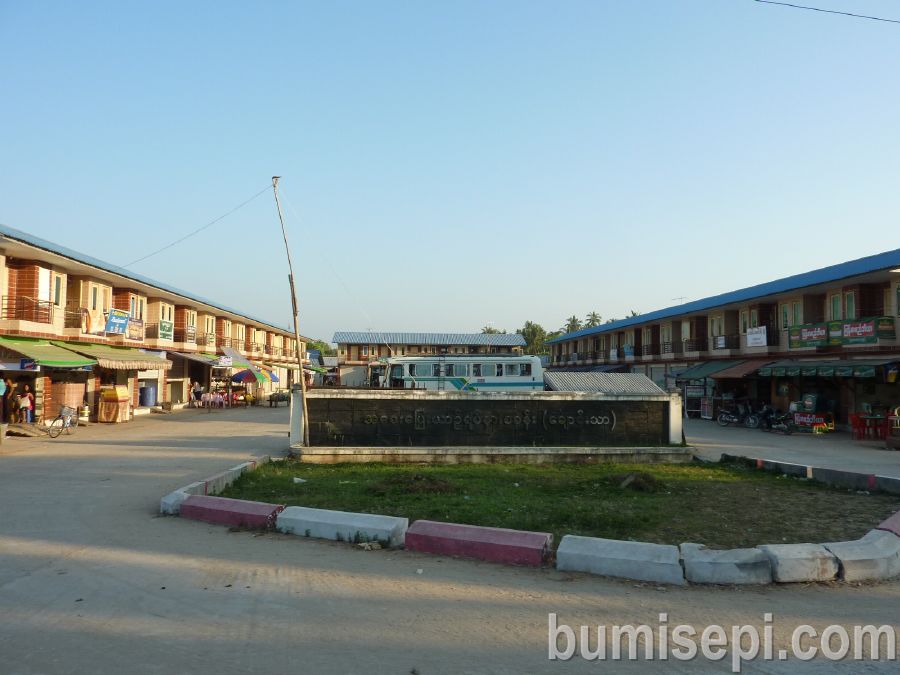
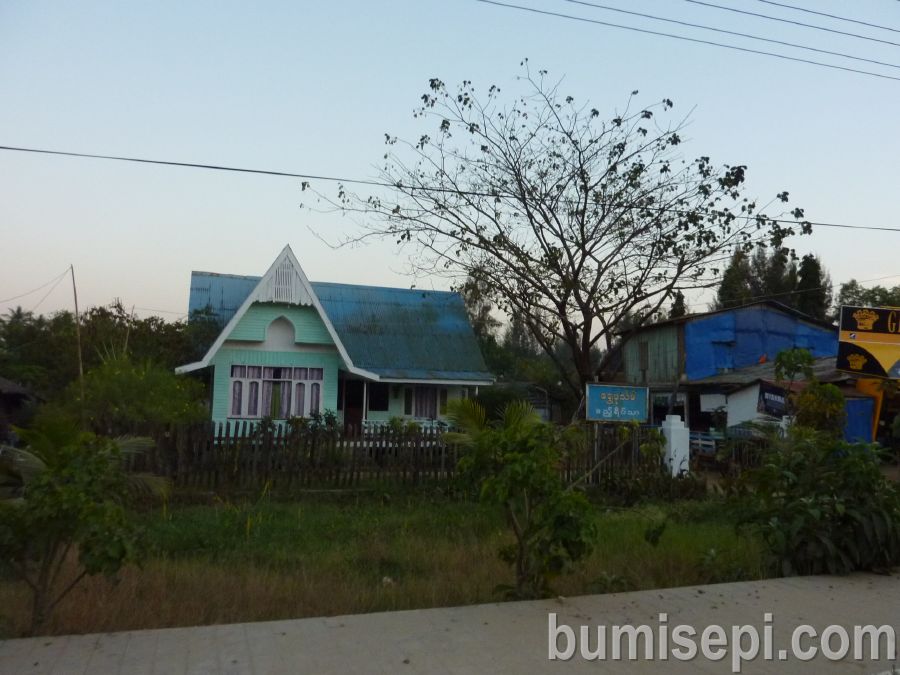
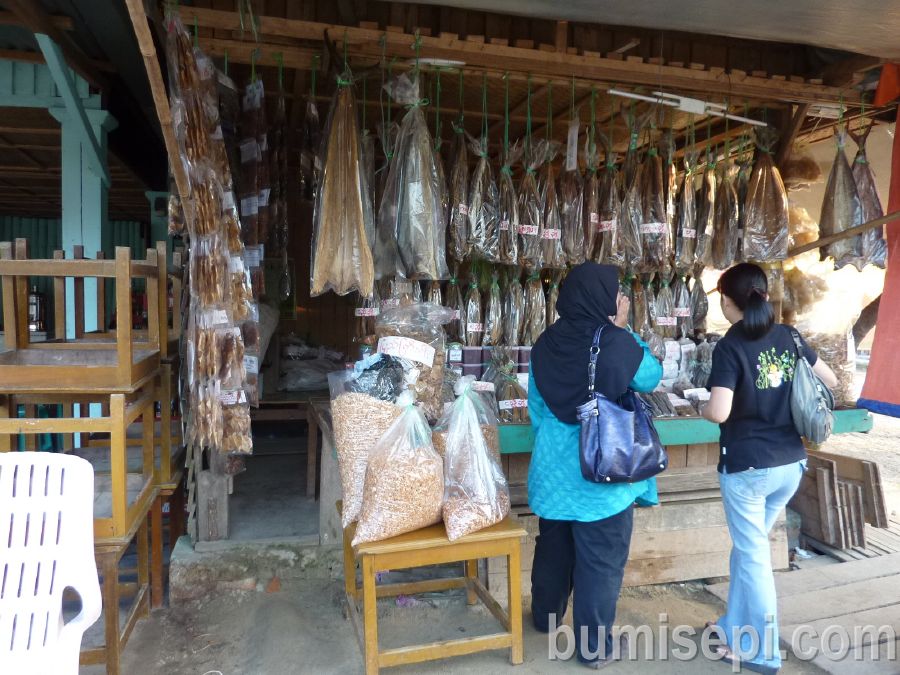
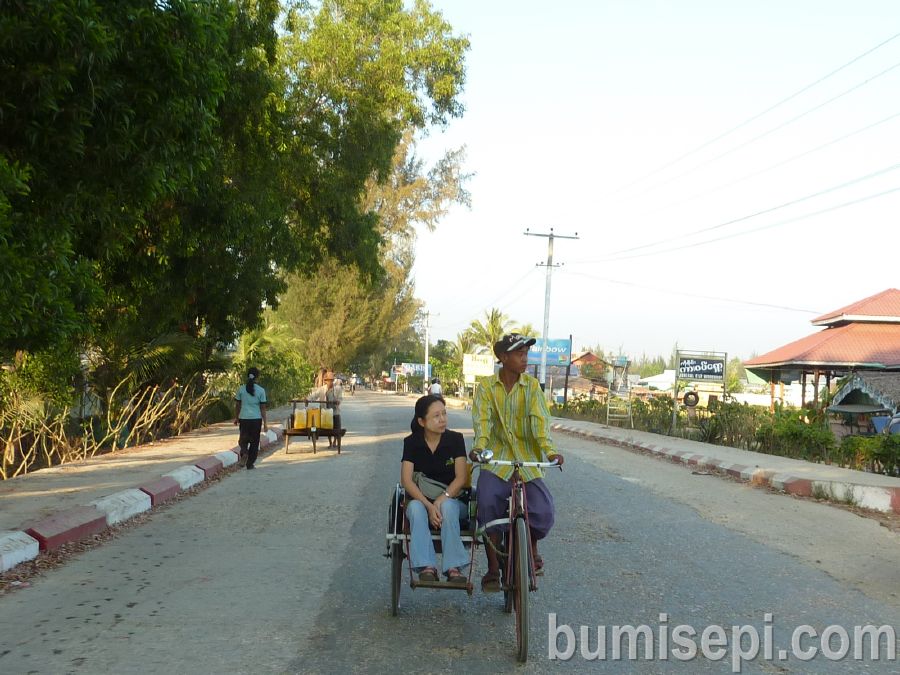
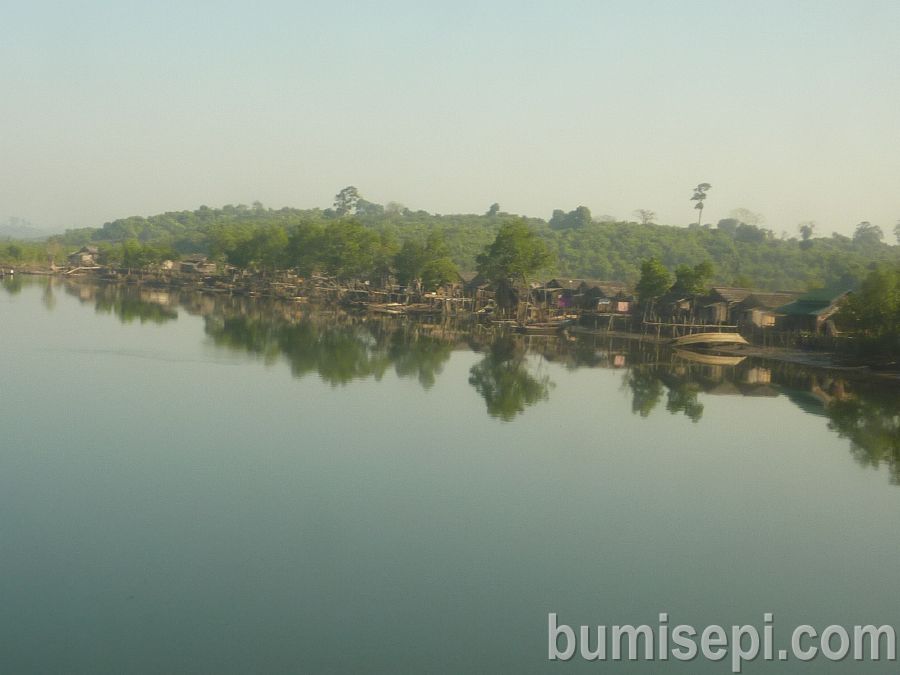
Chaung Tha ialah sebuah kampung nelayan di tepi pantai yang suram yang mana pelancongan menjadi industri utama di sini. Ini dapat dilihat dengan banyaknya hotel dan resort yang sedang atau sudah dibina atau diubahsuai.  Anda boleh melawat kawasan ‘pusat bandar’  atau lebih tepat kawasan pasar Chaung Tha hanya berjalan kaki dari resort anda atau menaiki beca 2-seater, satu seat menghadap ke depan dan satu seat lagi menghadap ke belakang.  Di kawasan pasar, ikan masin, sotong kering yang segar boleh dbeli, selain T-shirt sebagai kenangan ke sini. Tidak kelihatan masjid di kawasan ini.

UNTUK SAMPAI KE SINI

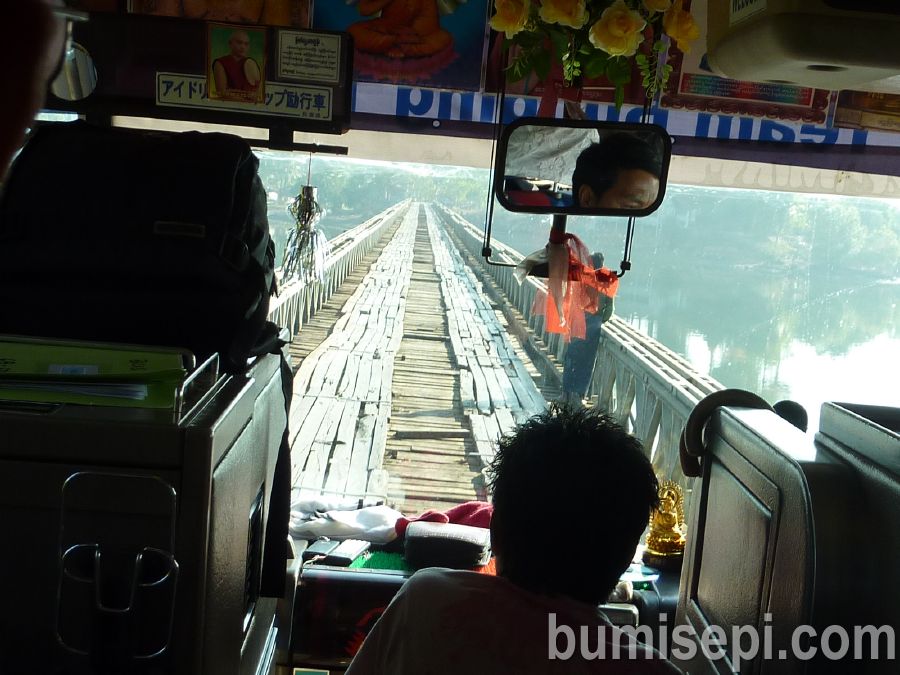
Malaysia Airline terbang setiap hari (kecuali Selasa dan Khamis) dari Kuala Lumpur ke Yangon, Myanmar. Dari Yangon ke Chaung Tha Beach anda boleh menaiki bas ekspres dan masa perjalanan 6 jam melalui jalan raya biasa (di Myanmar tiada lebuhraya seperti PLUS di Malaysia) yang mana hanya satu pertiga yang bertar sempurna.  Untuk tempahan hotel, anda boleh melawat laman web http://www.hotelsinmyanmar.com/myanmar-chaungthar-deluxe.htm.

Anda memerlukan visa untuk memasuki Myanmar.

A funeral in Yangon, MYANMAR

February 2010:

My office staff’s grandmother passed away and I was invited to the funeral.  Employee relation and welfare is part of my job scope, so I chose to attend.

This is my second time attending funeral since I was posted to this country called Union of Myanmar.  The deceased was an old lady.  So the ritual is a Buddhist one and it is pretty simple. I have never attended any Buddhist funeral anywhere before, even in Malaysia, so I did not know how Malaysian Buddhists manage their dead but I guess it is the same.  I thought only Hindus burned their dead and keep their ashes, but Buddhists in Yangon also doing the same thing. They cremate  the body instead of burying them.

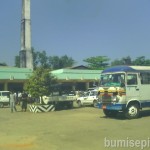
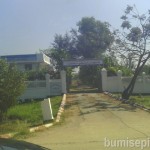
The funeral was conducted at a cemetery located at Yuwei, about 45 minutes drive to the north of Yangon. It is a huge area to cater for all people of Myanmar from different religions.  The process of managing the dead are typically belief-based, so the burial area is divided but religions, but all is at this single location. There is Moslem cemetery. There is a Christian cemetery. There is a Hindu one and of course Buddhist one (for info, 80% of Burmese are Buddhists). All next to each other, divided by fences.

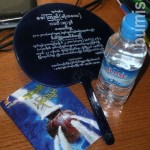
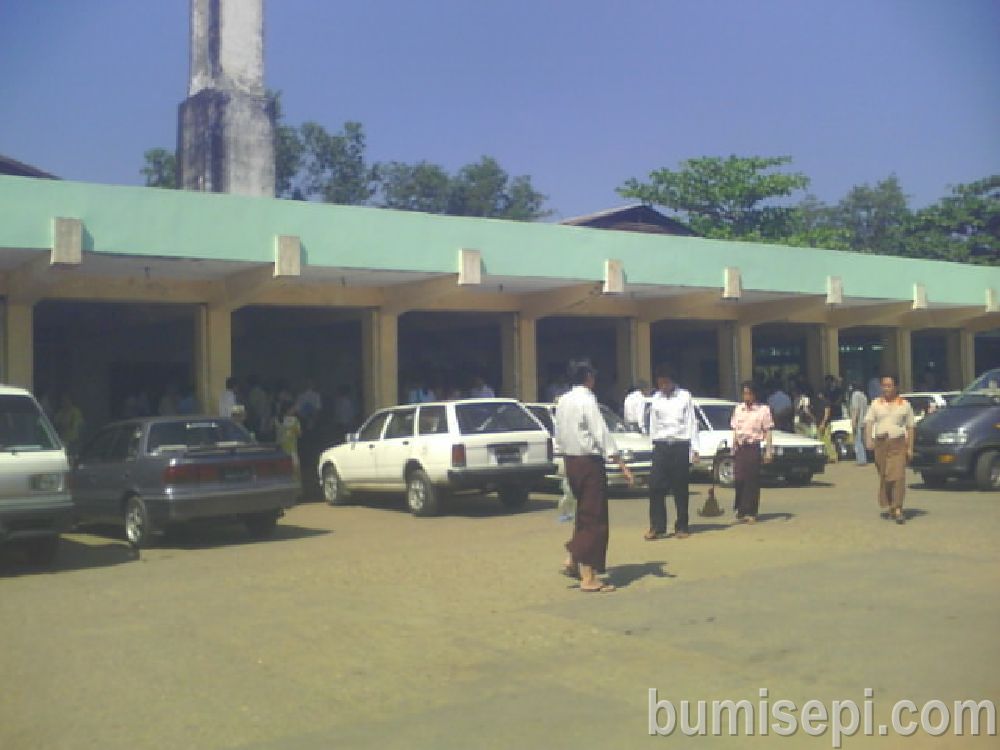
My driver dropped me at the lobby of the Buddhist funeral house. At the entrance of the prayers hall, a man in loungyi handed me a see-through plastic bag containing a 300ml bottled drinking water, a decorated fan and a small prayer book.  I could make full use of the the first two items as it was very hot afternoon in Yangon at this point in time, but not the small book. I learnt later that the small book is a collection of prayers written in Myanmar by the respectable monk in the country.

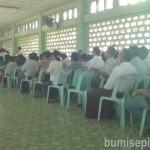
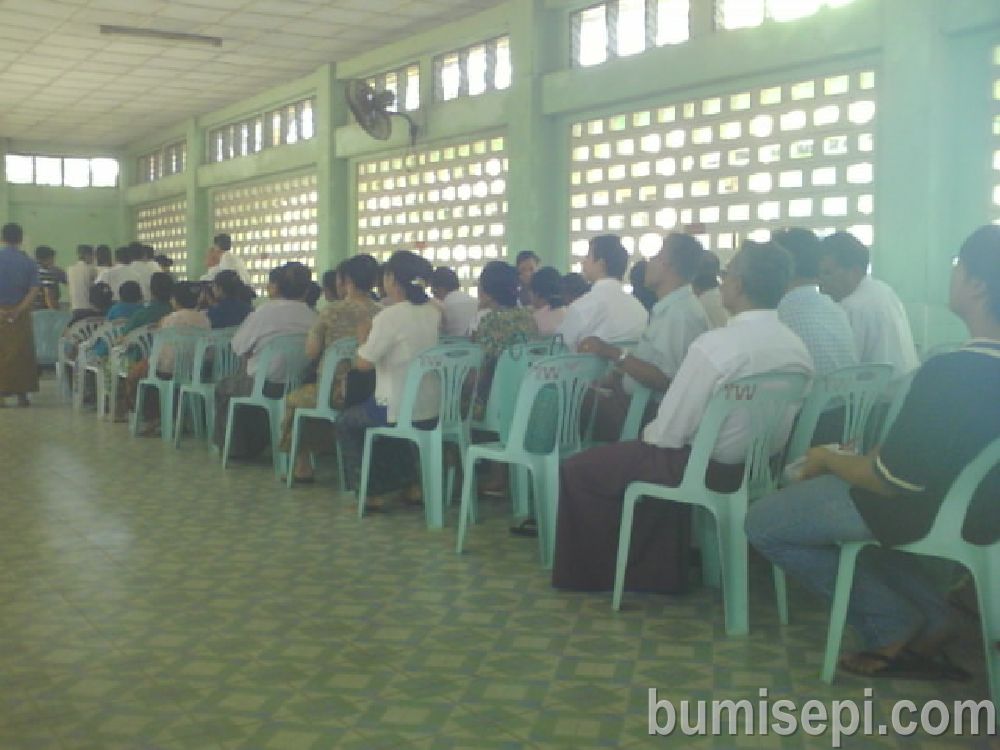
The hall is semi-open and is filled with plastic chairs. Seats were almost full and everybody was facing forward toward an open-top coffin. I saw everybody entering the hall will go to the front to pay respect to the body in the coffin, and returned to the back of the hall to find a vacant seat. I did the same. I glanced inside the steel-framed casket. The body was dressed in white gown. I could see clearly the pale face of the old woman. Flower bouquets filled up the long stand at the back and the biggest of them filled up the main table in front of the coffin. The name and the title of the donor was written a big card hanging down at each bouquet. I didn’t see any donation box so I guess cash donation is not welcomed here.  Front rows were seated by the relatives of the deceased and wise men. Soon I was introduced to eldest son of the deceased. In early 50’s he seemed cool trying to control the tears. I offered personal and official condolences to him. Nobody cried and wailed loudly and uncontrollably like Chinese in Malaysia.  No black uniform either. Everything and everybody seemed to be in the acceptance mode that life must go on.

After some times, two men carrying a gong over a wooden bar on their shoulders at both end entered the hall. The one at the back hit the gong repeatedly to signal some thing will start. They went up to the coffin accompanied by many who transfered the body from the coffin to the stretcher with roller. They slowly pushed the body out of the hall followed by the guests who followed from behind. When the body was past the entrance, a man threw the ceramic pot on the floor and it was broken to pieces, to mark the end of life of the deceased.  At the entrance of the crematorium — a building next to the prayer hall — the body made a stop to allow the relatives to bid final farewell and to take a final glance at the deceased.  Then two black men from inside the crematorium came out and push  the body inside. They shut a big door and what happened inside the gas-fired crematorium was unknown to the curious onlookers. The funeral process ended there.

I left soon after that wondering when is my time.I learnt later that a memorial service for the deceased will be conducted by the family a week after funeral. Within this period of one week, the spirit is believed to be floating around the house, and therefore must be taken care like a living person. The family member will put  a big photo of the deceased at one corner of the house, ‘feed’ him during breakfast, lunch and dinner and talk to and pray for him. All the windows must be open 24 hours to make sure the spirit ‘leaves’ the house happily and willingly within that period.

The strange practise you may say, but being posted overseas, I grow to appreciate these cultural differences. World is an awesome place, right? To borrow Discovery Channel tagline.

HOW TO REACH THIS PLACE?

Malaysia Airline flies daily from Kuala Lumpur to Yangon, MYANMAR, except Tuesday and Thursday. It is about 3 hour flight time.  Malaysians need visa to enter  Myanmar which is valid for 10 weeks upon entry.

There some photos related to this experience. Forgive the quality of the photos as they were shot using a simple O2 Atom camera phone.
Page 58 of 65

Powered by WordPress & Theme by Anders Norén