life is short. do first thing first.

Category: Travel Page 40 of 43

MYANMAR / Shwekyin (Bago Division)

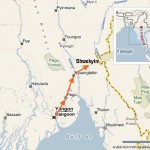
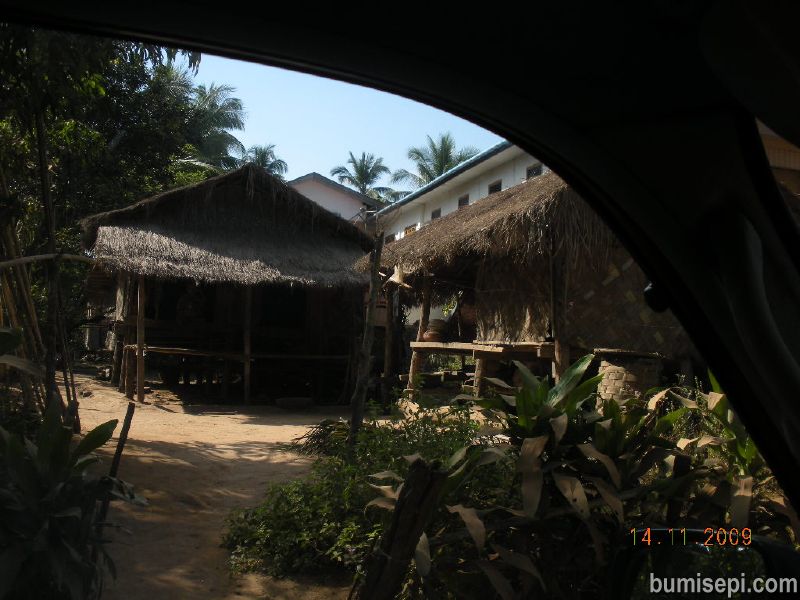
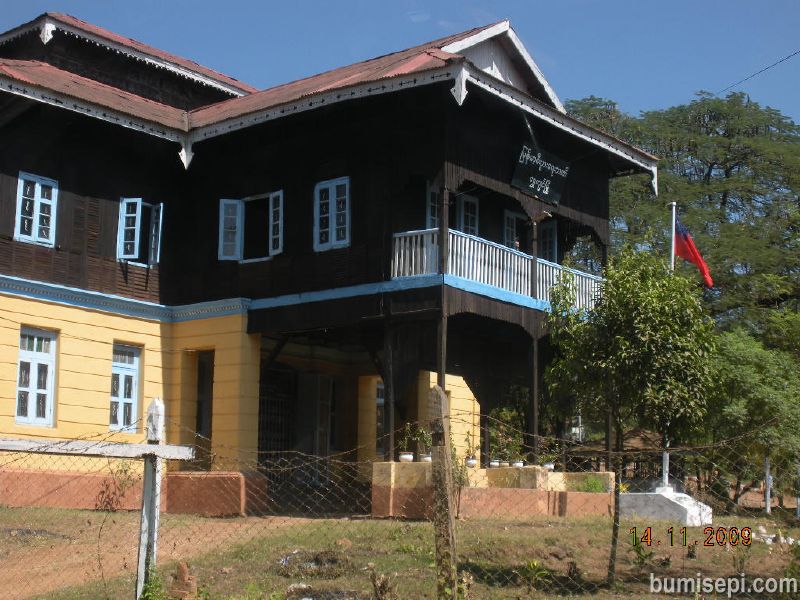
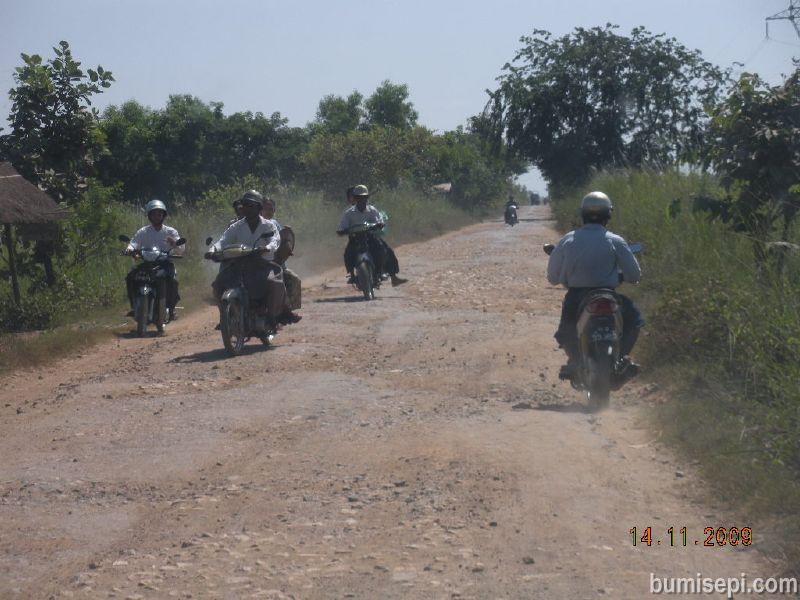
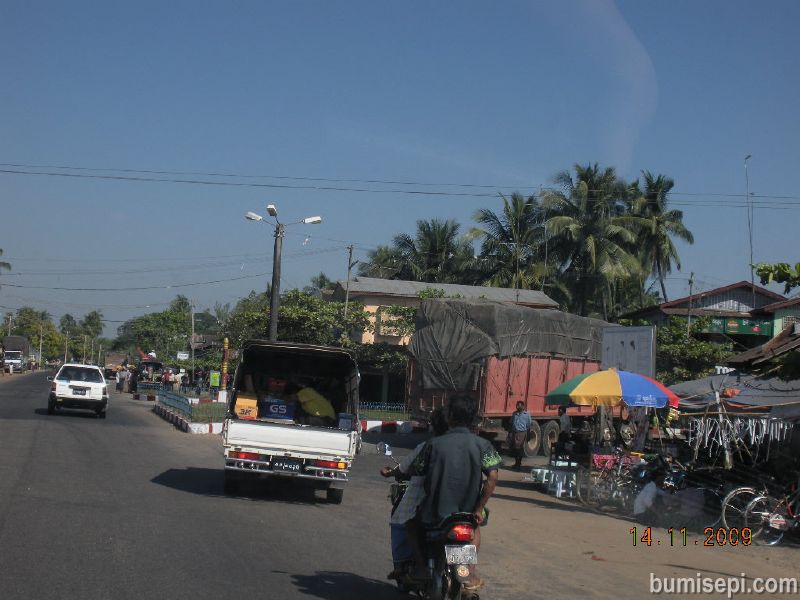
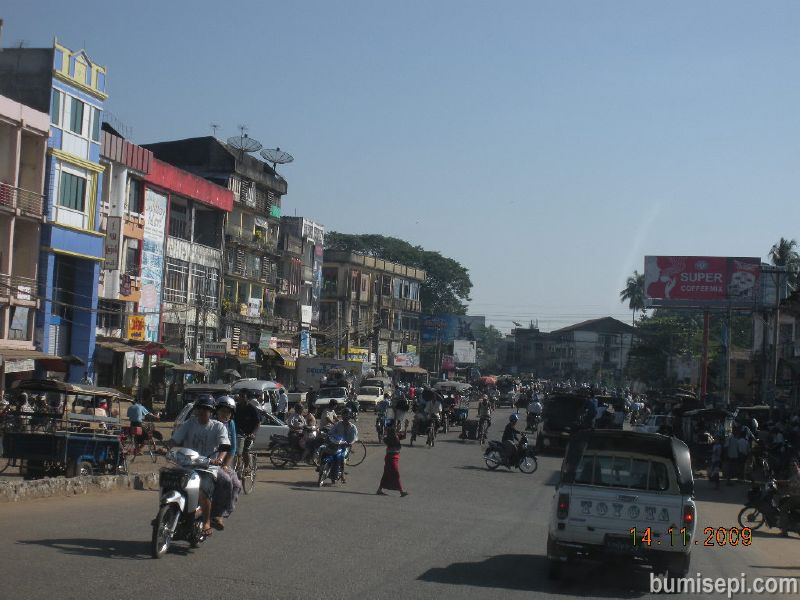
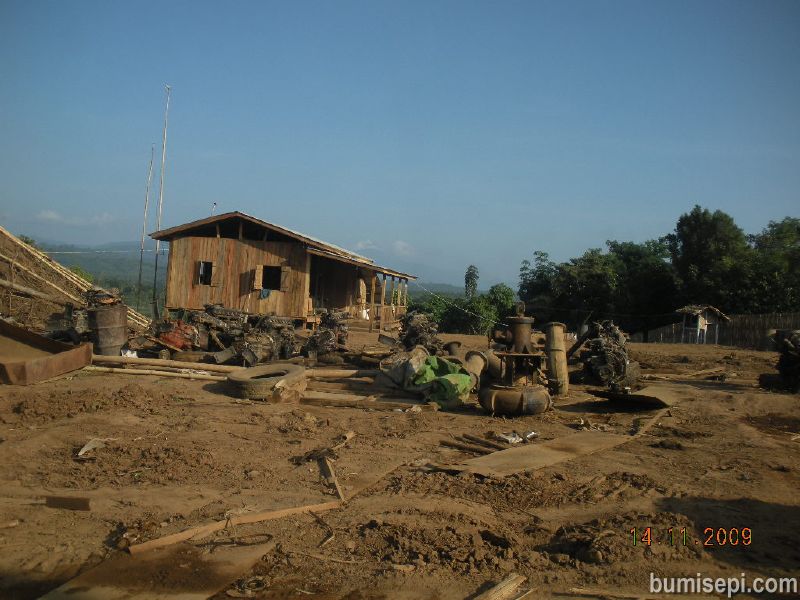
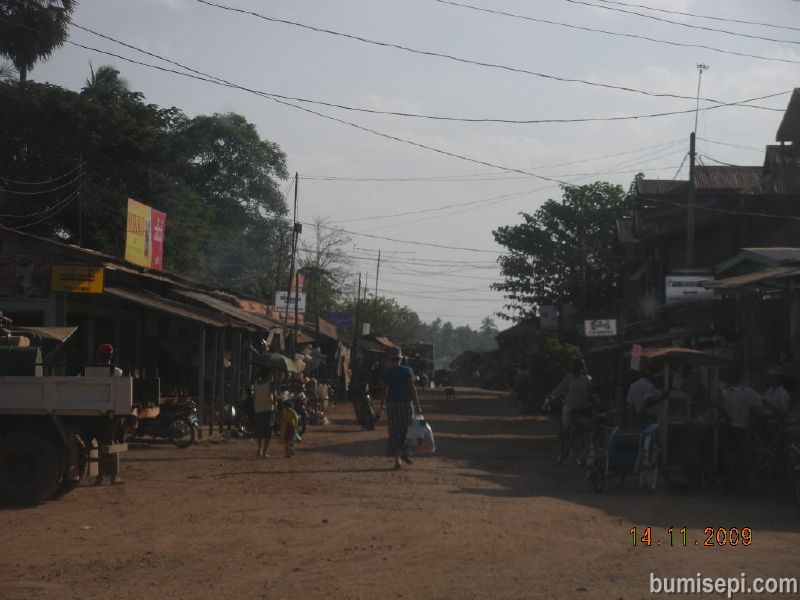
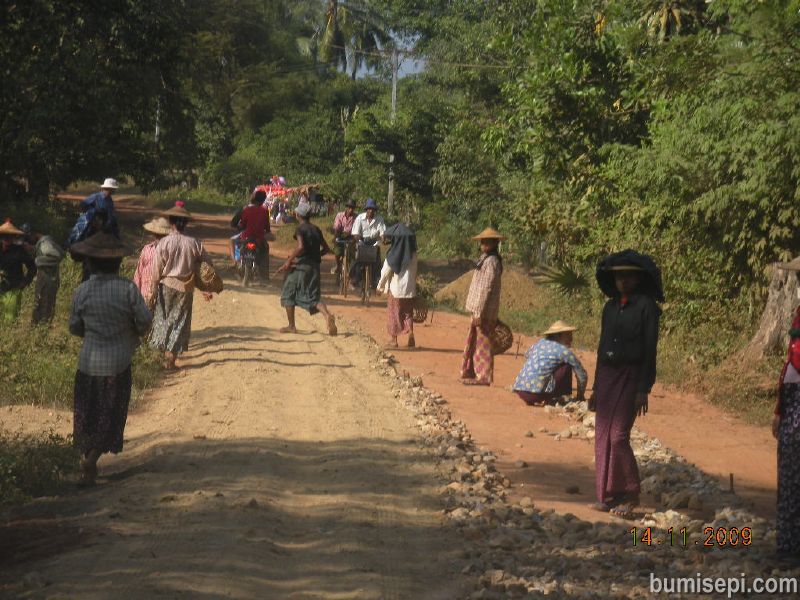
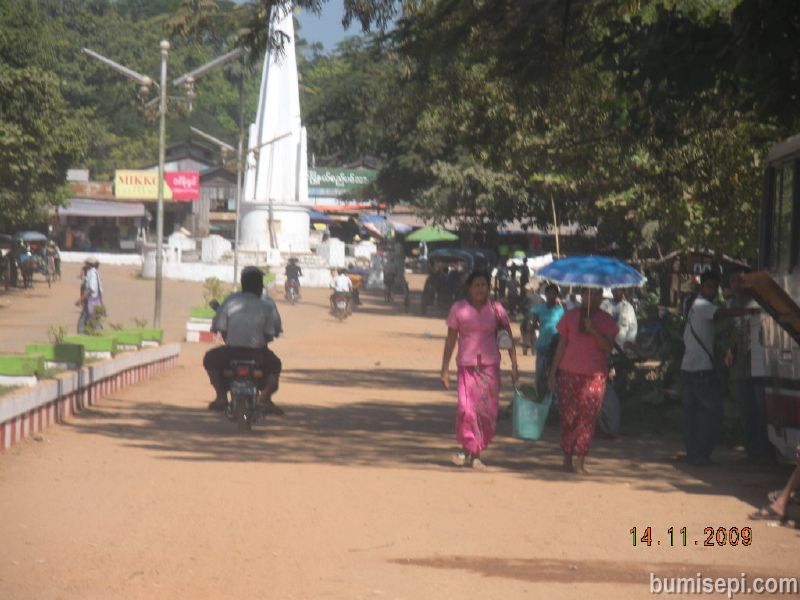
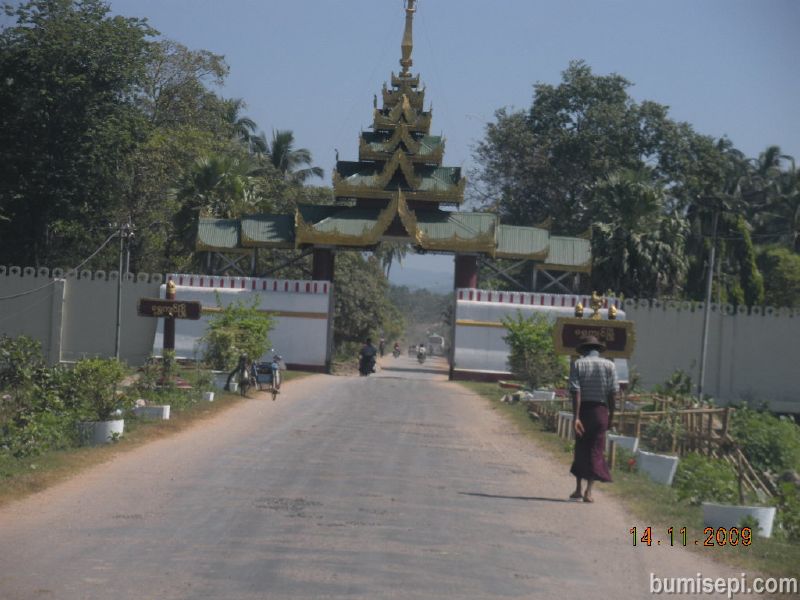
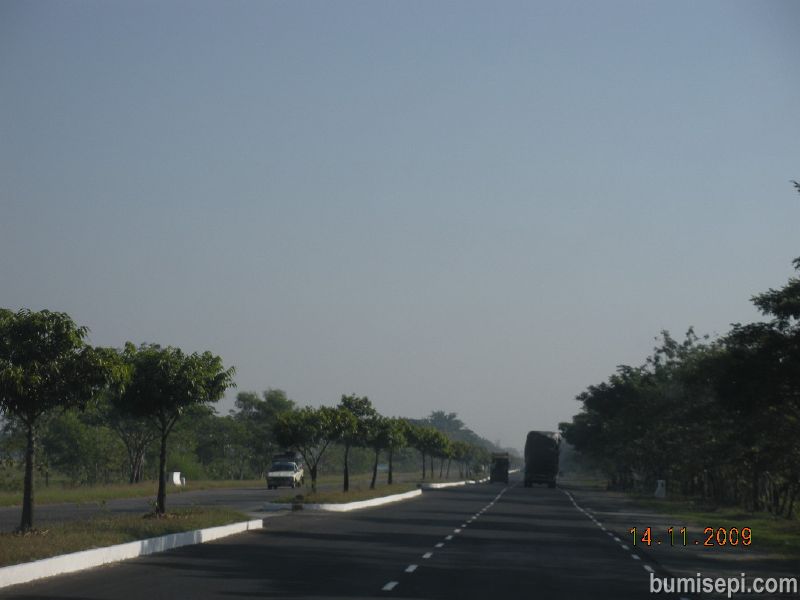
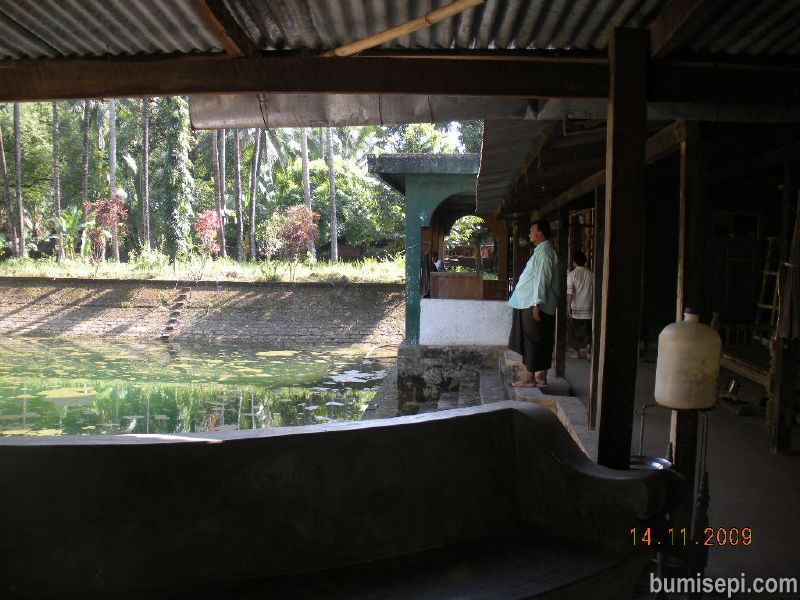
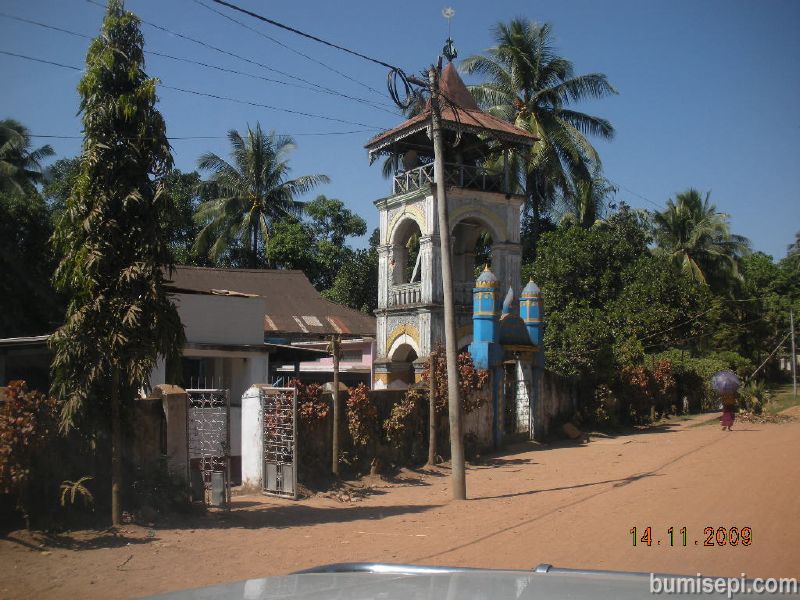
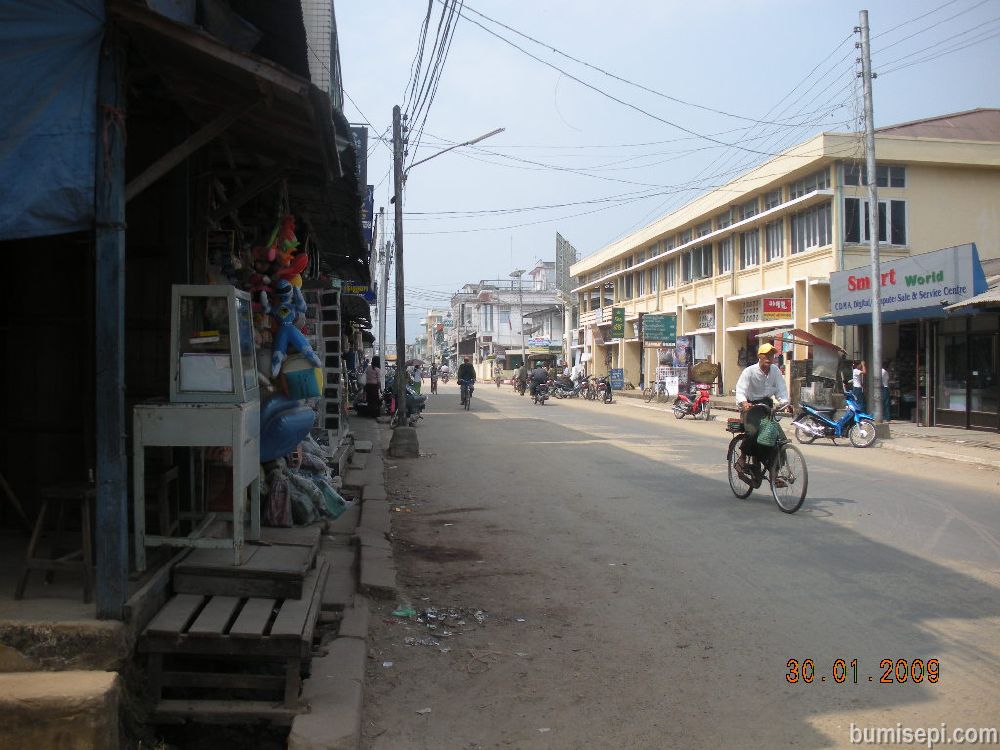
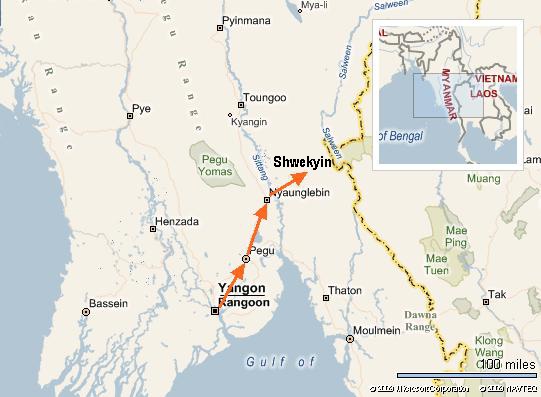
Like Aithabyu in my previous posting, this place is not for regular  tourists either. I was here in November to survey location for Korbani during Eidul Adha.  Shwekyin is a small town north of Bago, off main Yangon-Mandalay road. After passing the town of Nyaunglebin, you will turn right into a dirt road and drive for another one hour passing by small villages amidst rice fields. From Nyaunglebin to Bago it takes about one and a half hour, and another one and half hour to reach Yangon. All these travel times are unnecessary should the roads are properly surfaced and widened, but unfortunately that is not the case in the whole Myanmar. Civil infrastructure development take a backseat in this military-run government. Yet you can see toll gates operating from time to time, especially when entering a good stretch of the road. Fees is very nominal ranging from 100 kyats to the highest 400 kyats, along this stretch.

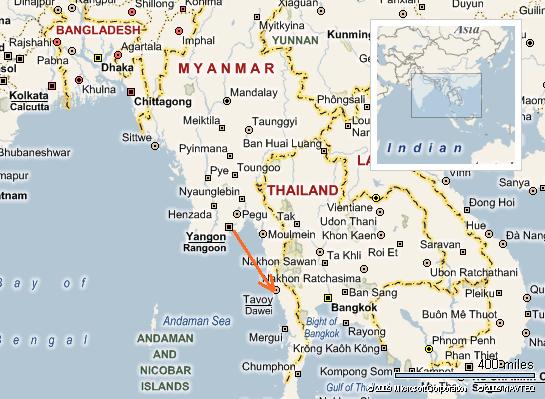
Shwekyin is located to the north of Bago (aka Pegu)

Shwekyin is located to the north of Bago (aka Pegu)

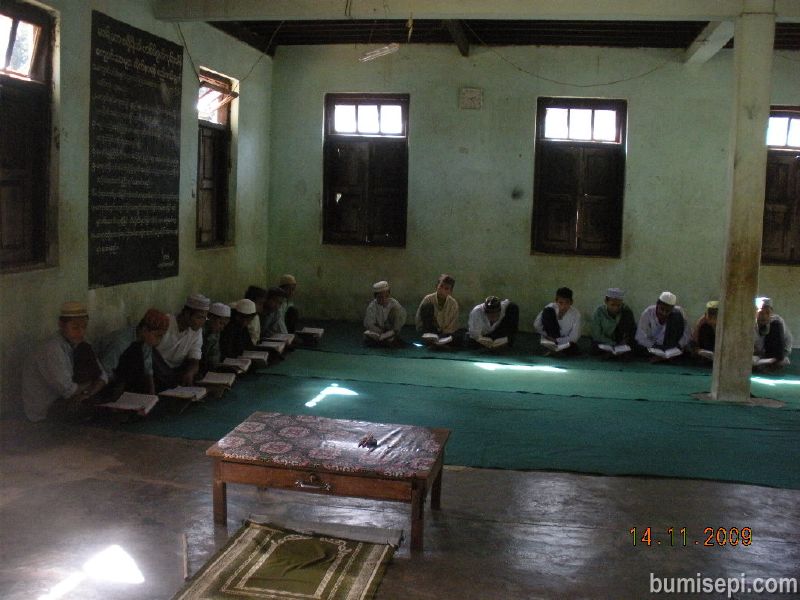
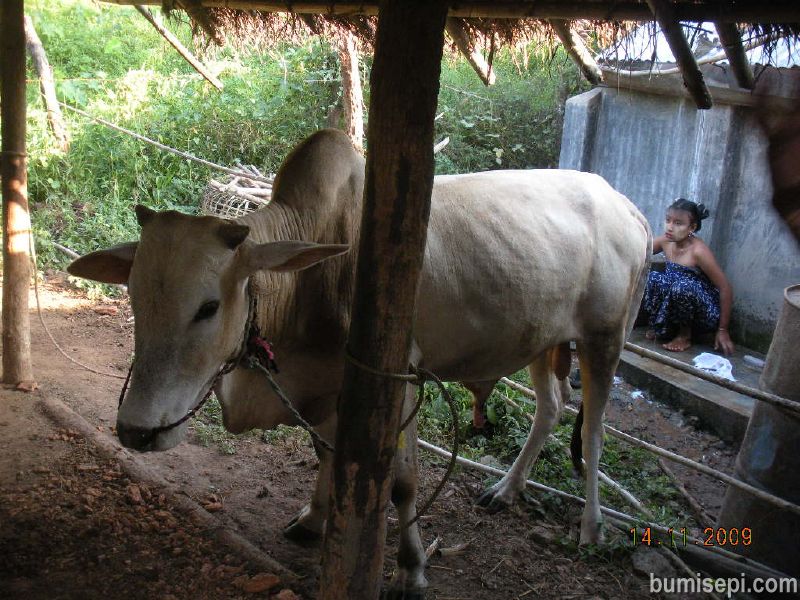
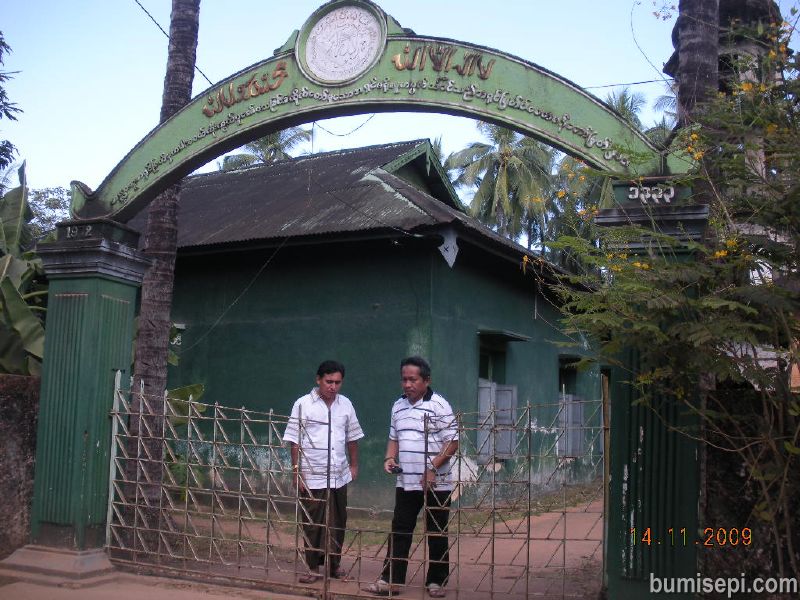
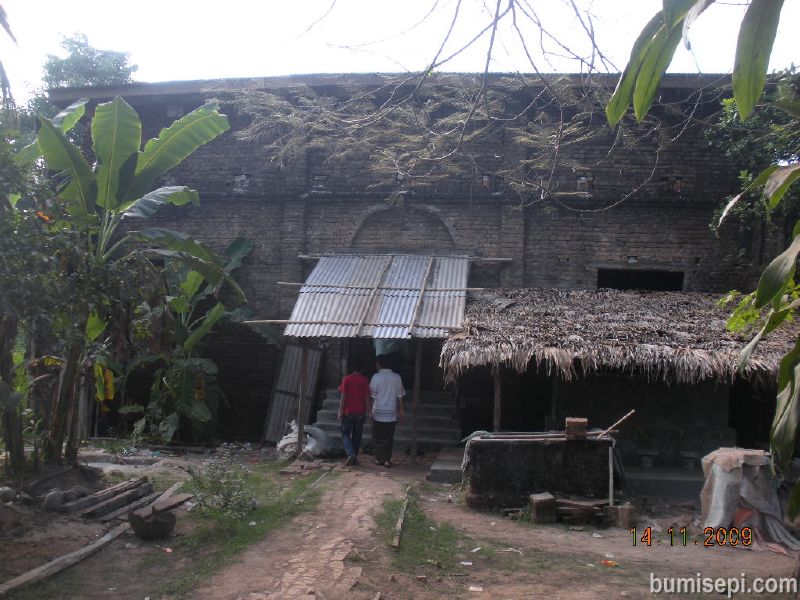
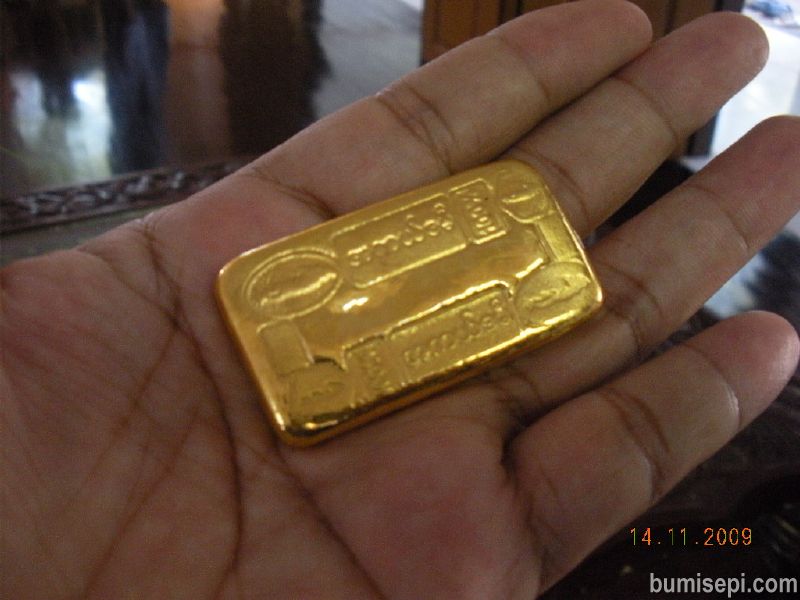
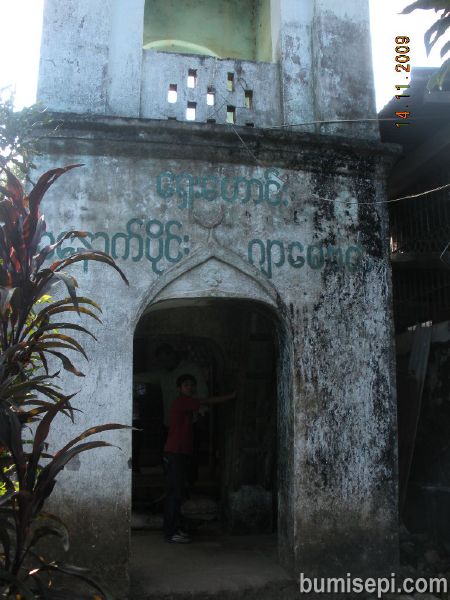
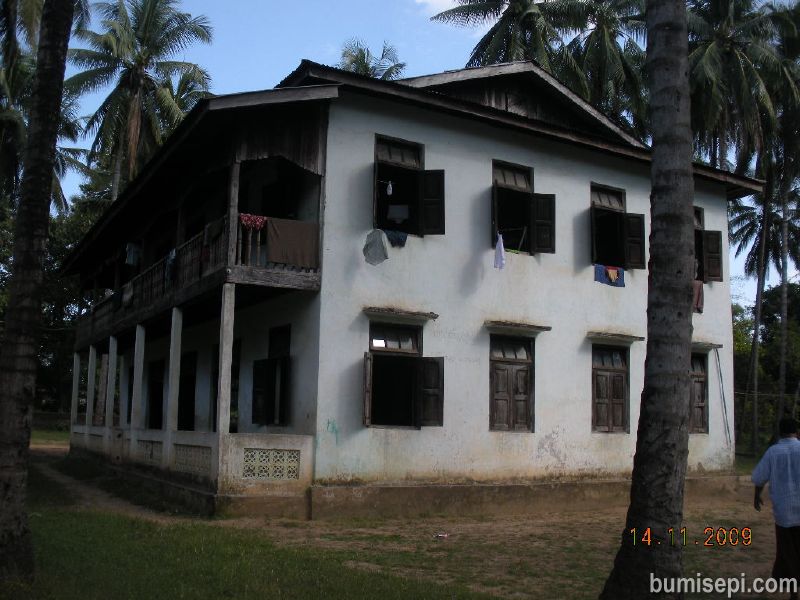
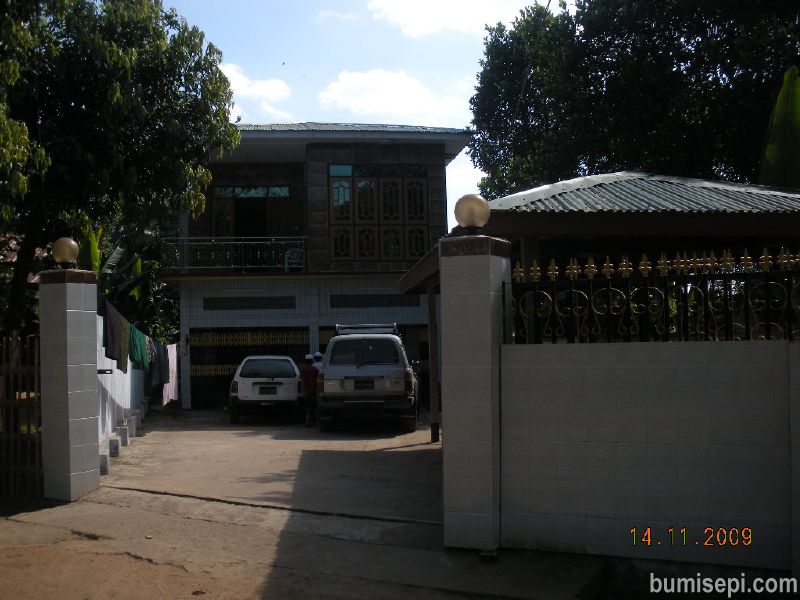
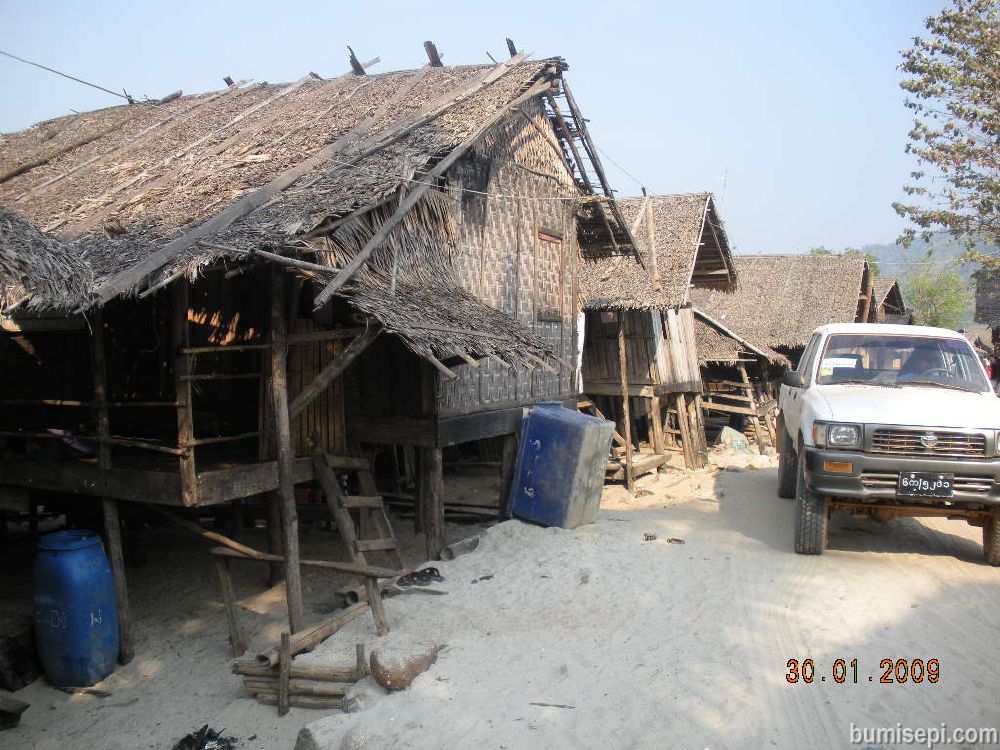
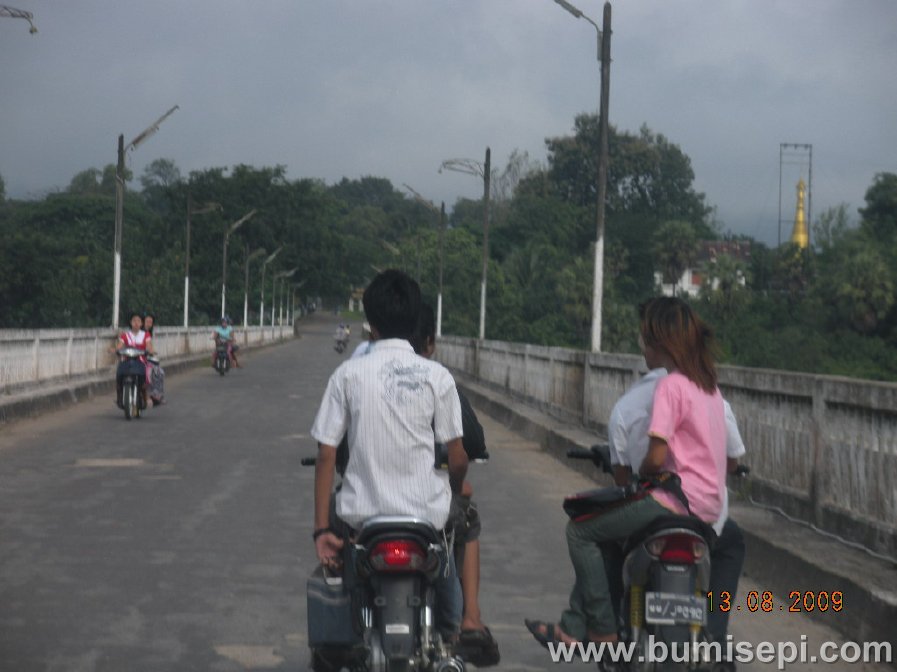
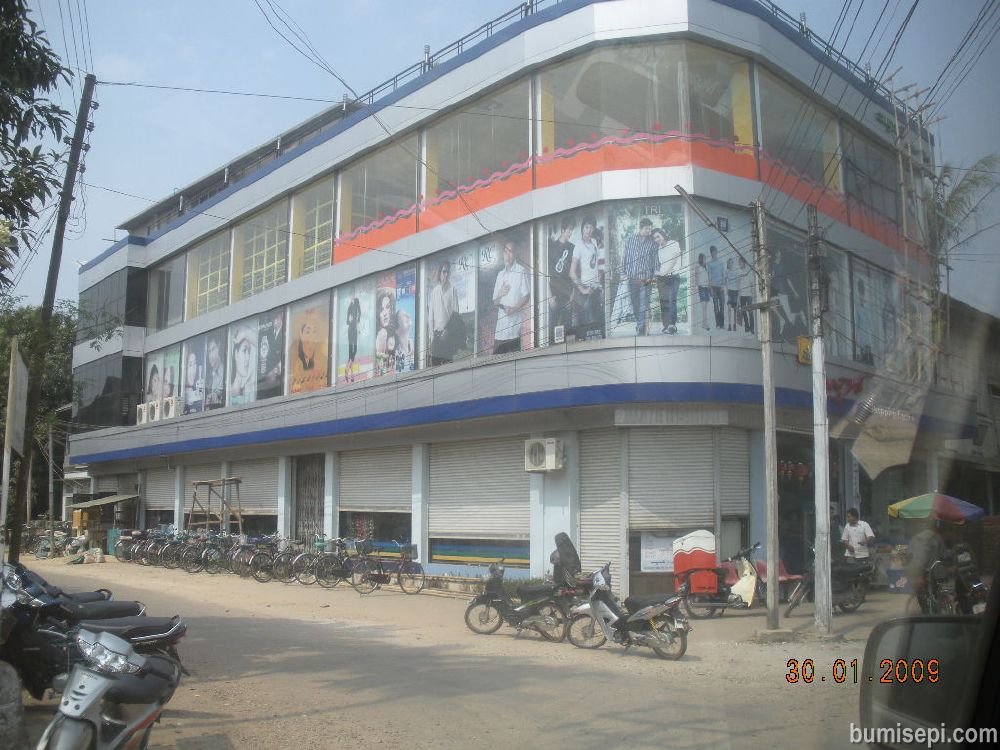
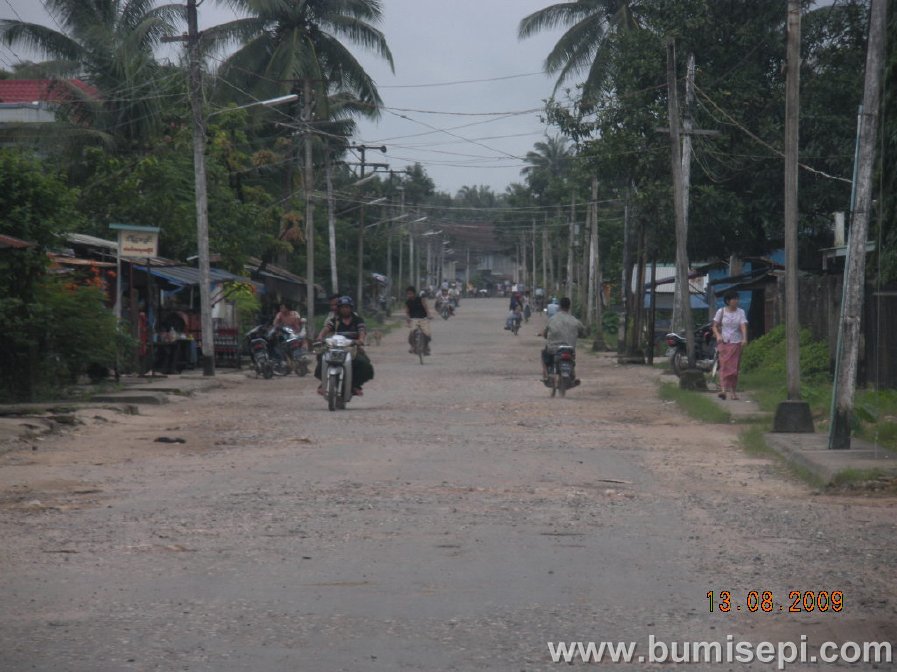
Shwekyin in Burmese literally means ‘digging for gold’.  Major economic activity is farming and gold-mining. There are hundreds of moslem families in Shwekyin and they seem to be in total freedom to practise their religion, as evidenced by a number of masjids we encountered, albeit old ones. Few moslems are sucessful business men, looking at their house they live and the car they drive. In fact they are the main shakers and movers in driving the moslem community in this town. They finance the operation of  masjids and madrasah. They ‘wakaf’ their lands to the  madrasah and graveyard. They are respectable figures in the community. We were introduced to Haji Ramadullah here, or better known by his Burmese name Haji Bokpyin. He has many ventures, one is that he buys gold flakes from gold miners and condensed them into a gold bar, weighing about 400 grams each. See pix in the gallery. He said he would carry his gold bars to Yangon next week to sell in Yangon.  His other business is supply cows.

In Myanmar moslems and non-moslems are almost similar in appearance. You can tell their the difference if only moslems are wearing white caps (kopiah) and grow beard and for ladies wearing ‘tudung’ to cover the aurat. They talked in Myanmar and maintained their Burmese name on the registration card and passport.

MYANMAR / Inle Lake (kehidupan atas air)


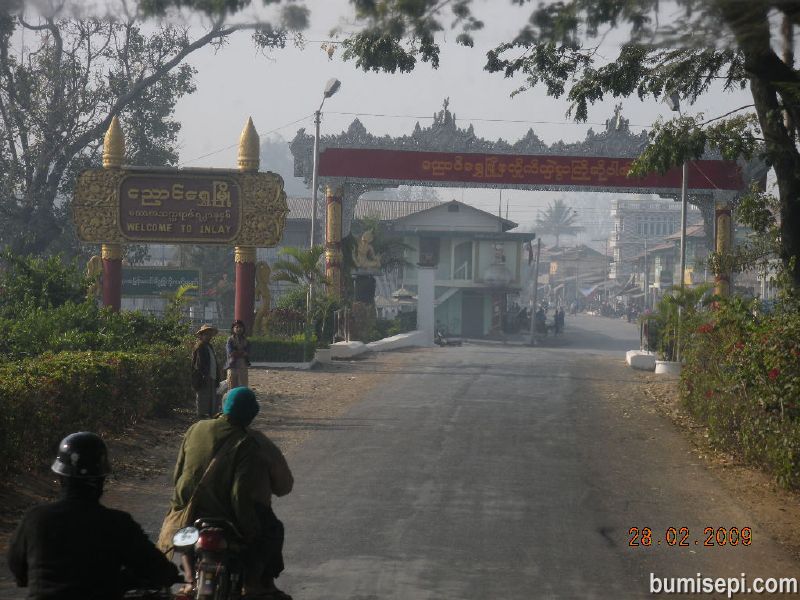
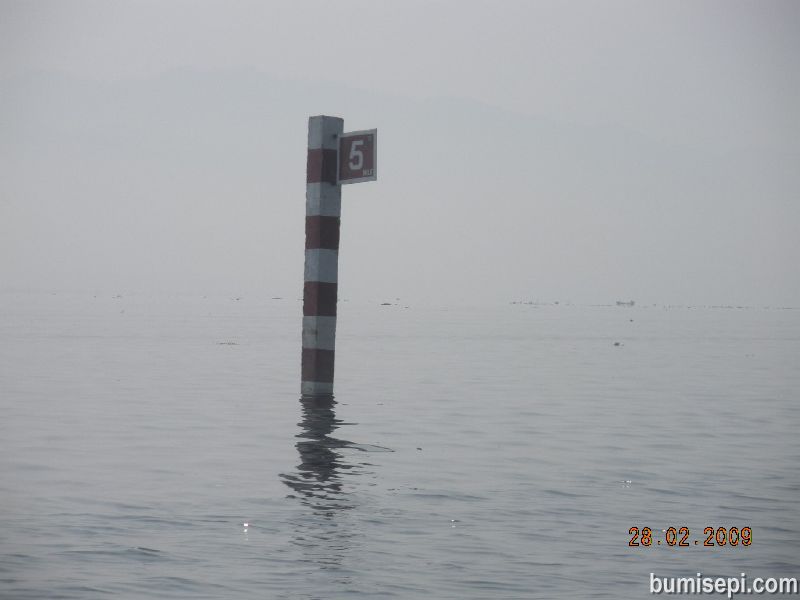
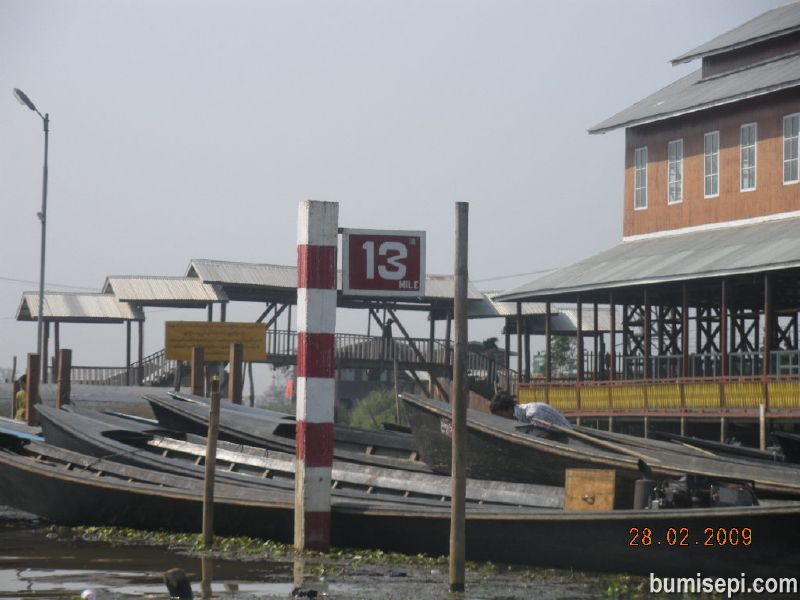
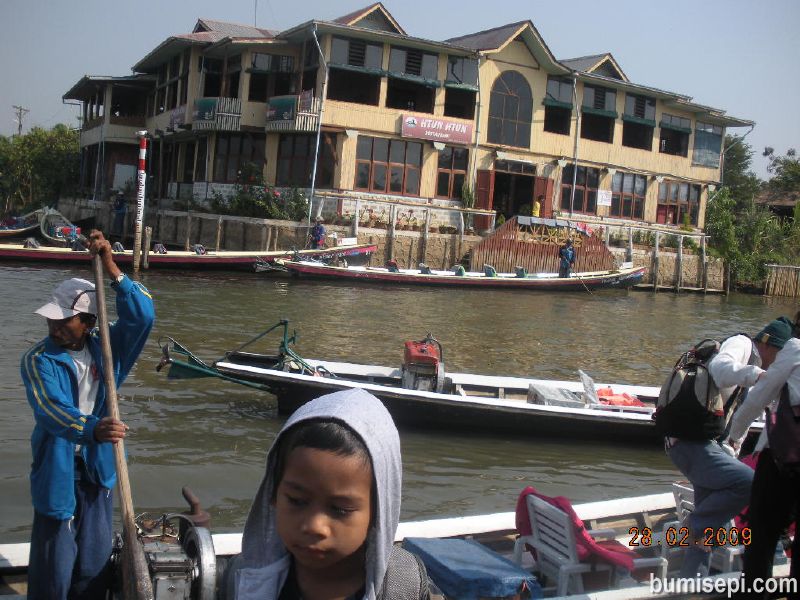
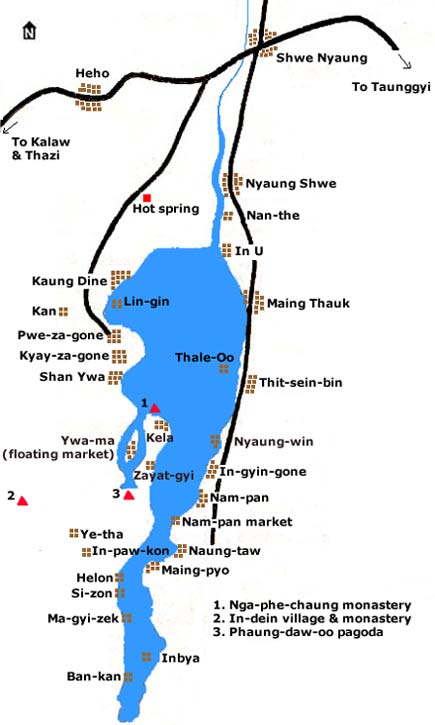
Inlay Lake (dieja juga sebagai Inle Lake) terletak di utara Myanmar di negeri Shan, negeri terbesar di Myanmar. Tasik dengan keindahan semulajadi ini berada pada ketinggian hampir 1000 meter dari paras laut. Di atas tenang dan jernih air tasik ini, kaum Intha membina perkampungan mereka di Inlay Lake. Anda tidak memerlukan permit khas melawat tempat ini kerana koridor Yangon – Bagan – Mandalay – Pyin Oo Lwin – Taungyi adalah laluan pelancong yang  aula dan lebih penting dibenarkan di Myanmar.  Inle Lake terletak dekat dengan Taungyi, ibu kota negeri Shan (bahagian selatan). Wannor berkesempatan melawat Tasik ini dengan menaiki bas dari Yangon pada awal March 2009. Komen beliau pengalaman ke sana memang menakjubkan, tidak hairanlah jika ia digelar Venice of the East.  Ikuti ceritanya di bawah.

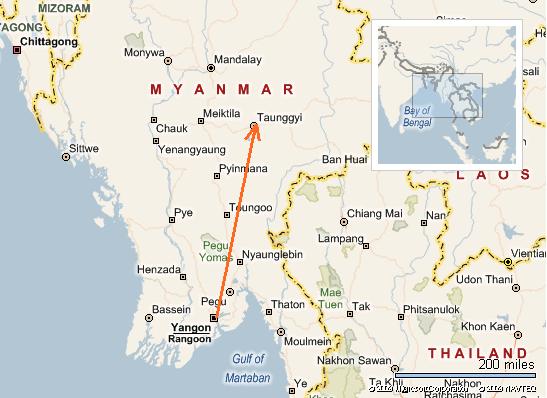
Peta laluan Yangon-Taungyi (Inle Lake)

Peta laluan Yangon-Taungyi (Inle Lake)

Perjalanan sepanjang malam dengan bas ekspres dari Yangon mengambil masa hampir 20 jam. Dari Yangon kami menuju ke utara dan seterusnya membelok ke timur di bandar Thazi. Dari sini bermulalah pendakian merentasi pergunungan Shan melalui bandar-bandar (atau kampung-kampung?) seperti Kalaw, Aung Ban, Heho dan Taungyi. Koridor Thazi-Taungyi merupakan laluan utama pelancong ke tanah tinggi Shan dan juga laluan pengangkutan perdagangan dari negeri Shan ke Yangon. Lori-lori besar membawa produk negeri Shan adalah pemandangan biasa di laluan ini. Barangan Thailand memasuki Myanmar  juga melalui laluan ini, kerana jika anda meneruskan perjalanan ke arah timur selepas Taungyi anda akan sampai ke Tachilek dan Maesai, bandar sempadan Myanmar/Thailand. Jalan pergunungan ke timur Taungyi ialah kawasan larangan (‘no-go’ area) kepada pelancong asing. Pemberontak kaum Shan menguasai kawasan ini.

Perjalanan dari Thazi ke Taungyi memang meletihkan kerana keadaan jalan tanah merah yang sempit dan berdebu menerusi banjaran gunung. Di satu tempat, bas kami terpaksa ikut jalan bawah menyusuri alur sungai yang kering kerana jambatan di jalan utama runtuh. Jalan berdebu dan berbatu adalah lumrah di Myanmar kerana kawasan tengah Negara ini terletak di iklim zon kering. Jadi anda tahu sekarang kenapa perjalanan Yangon-Taungyi mengambil masa hampir 24 jam, walaupun jarak perjalanan hanya 450 batu.  Dari Taungyi ke jeti Inle Lake memakan masa kurang dari satu jam. Insyaallah cerita pasal Taungyi dalam posting lain. Lawatan ke Inle Lake boleh disempurnakan dalam masa satu hari, bagi mereka yang sibuk.

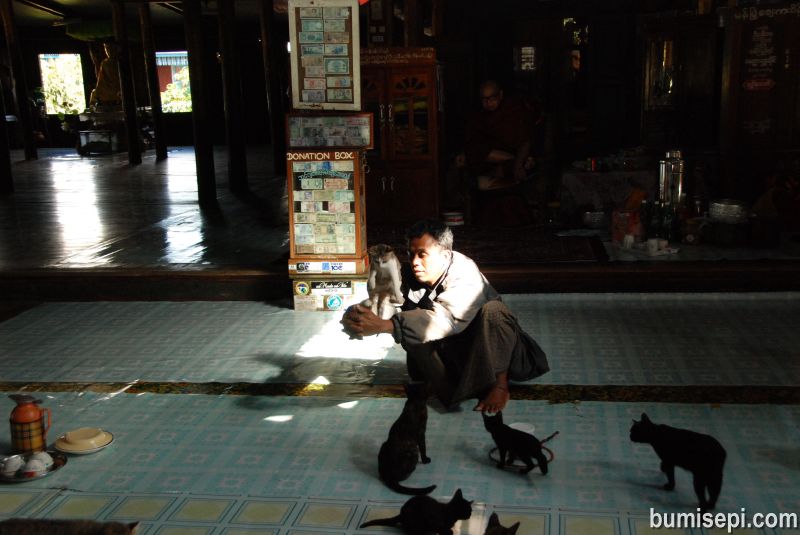
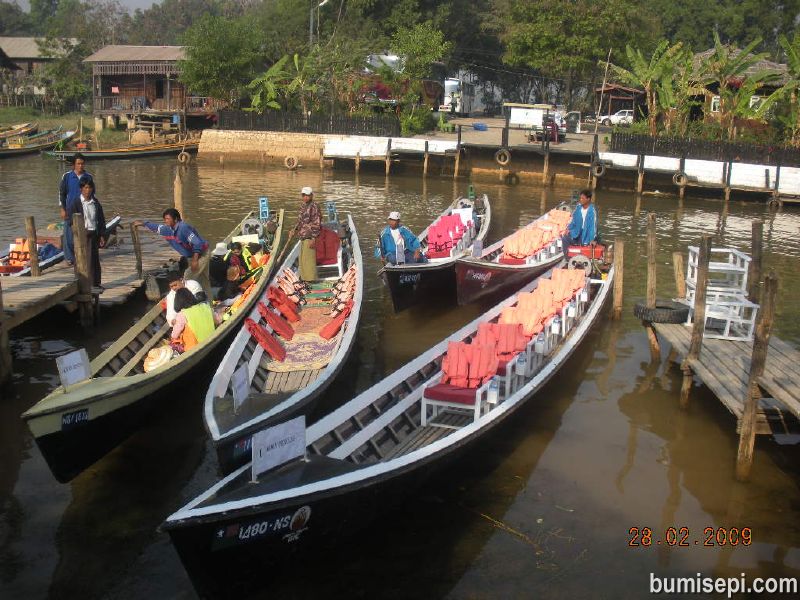
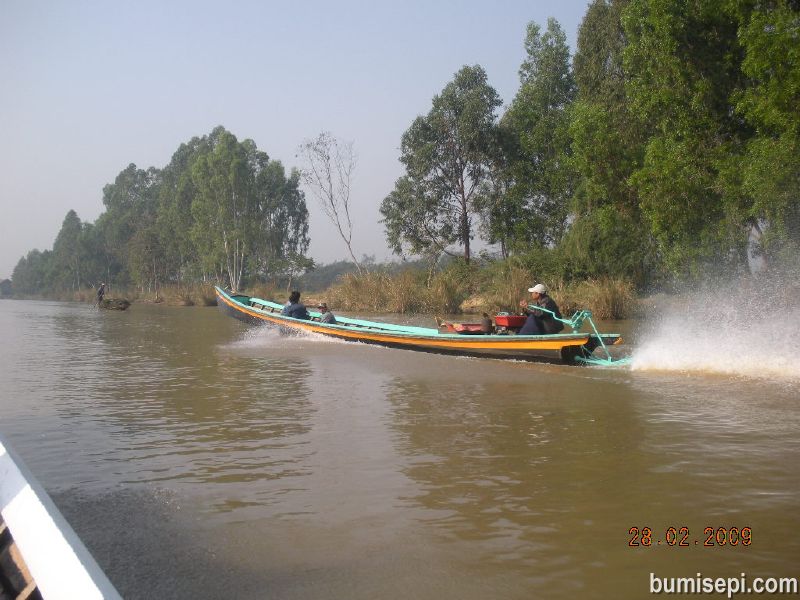
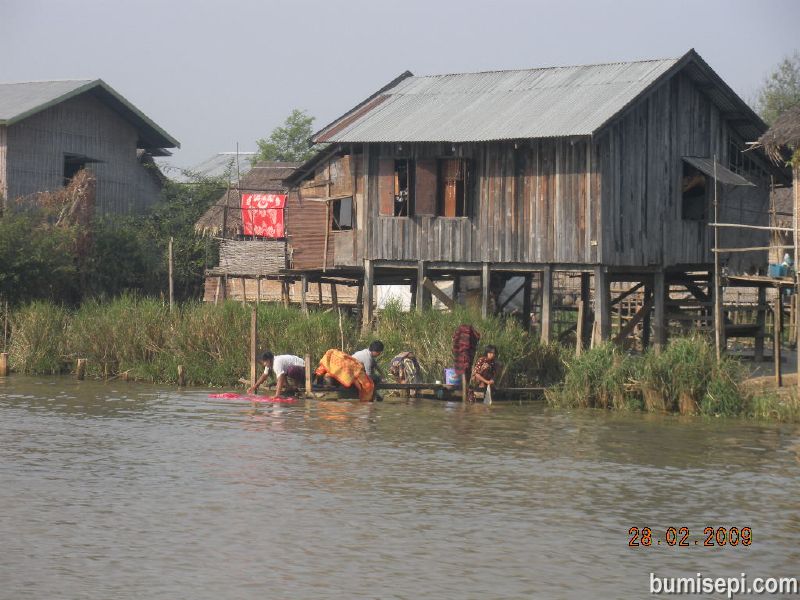
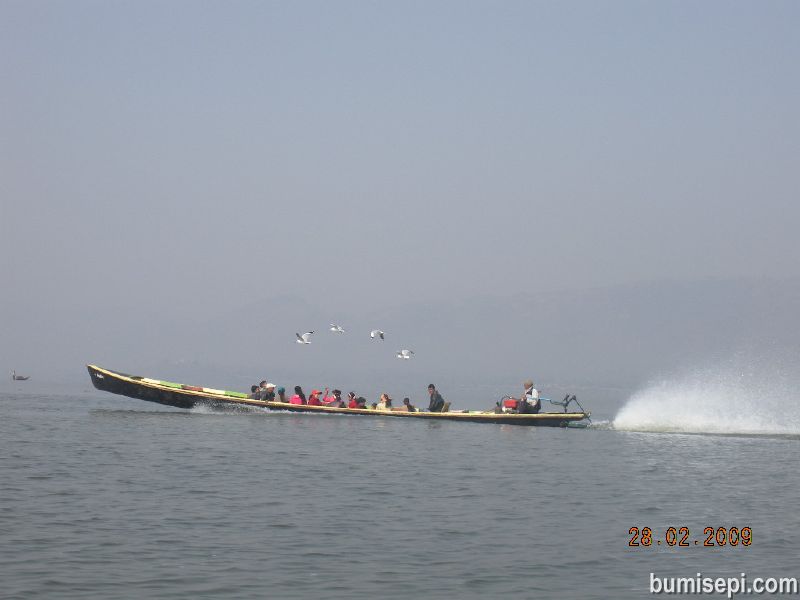
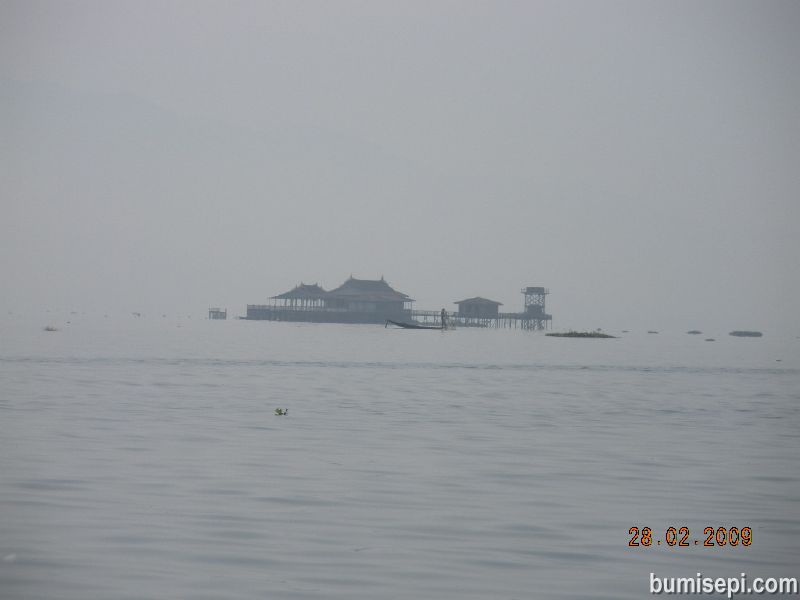
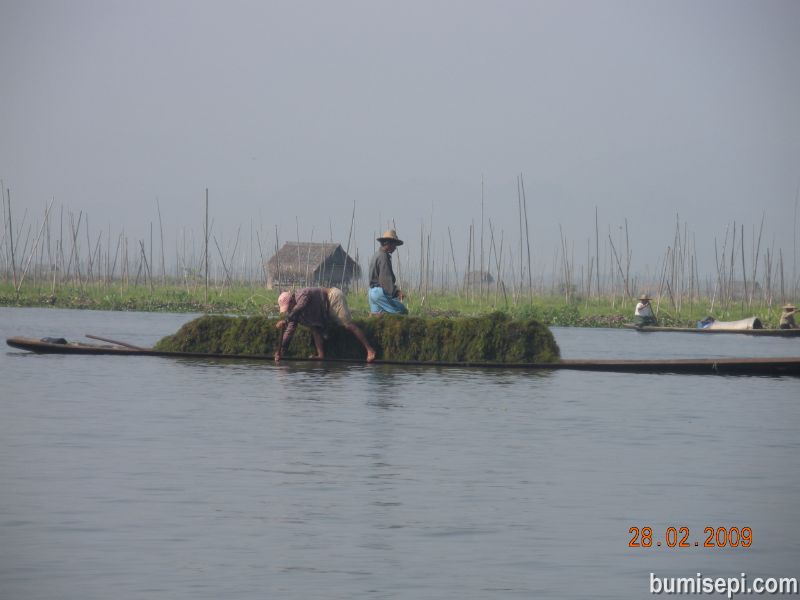
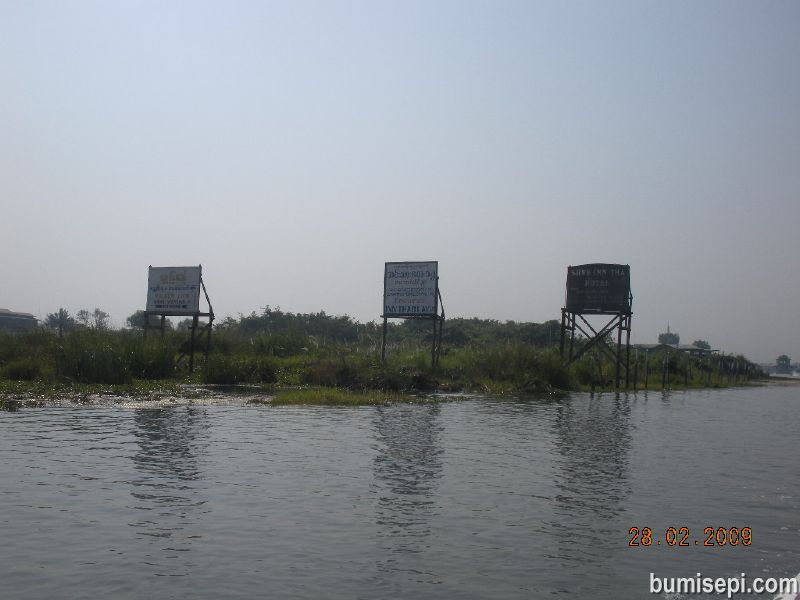
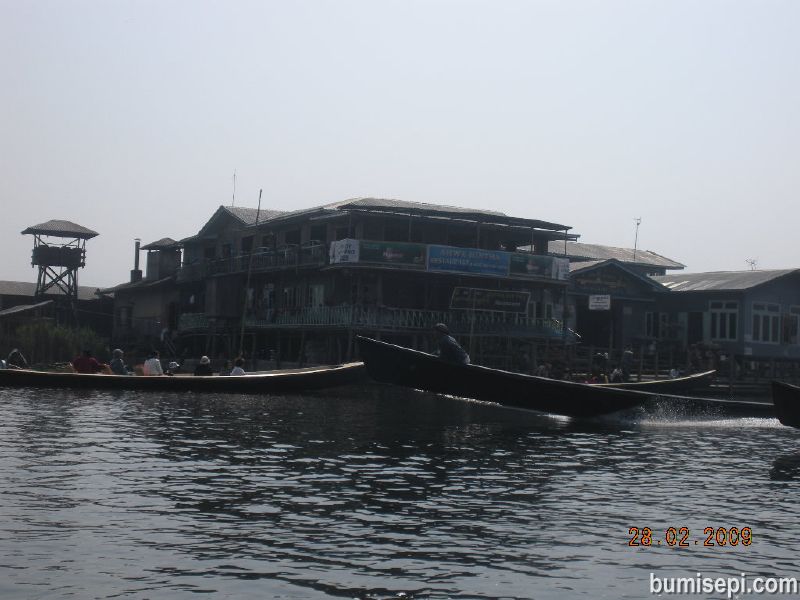
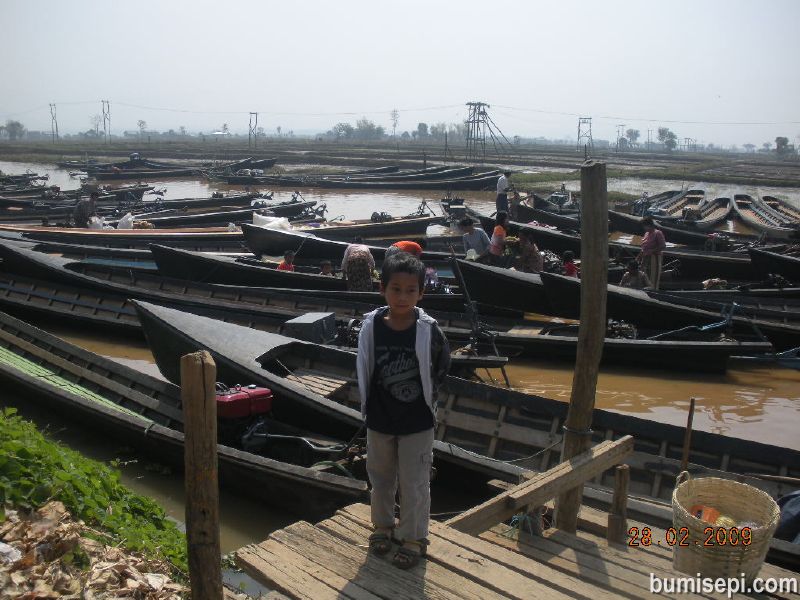
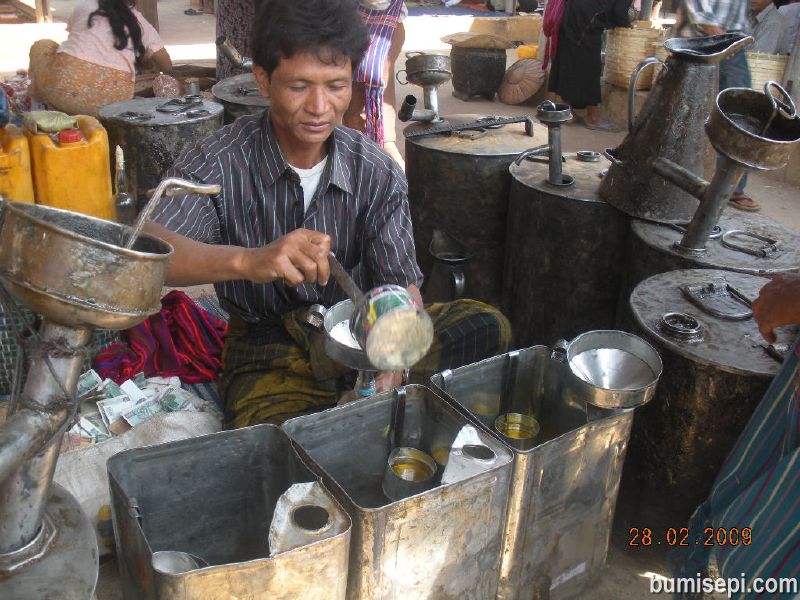
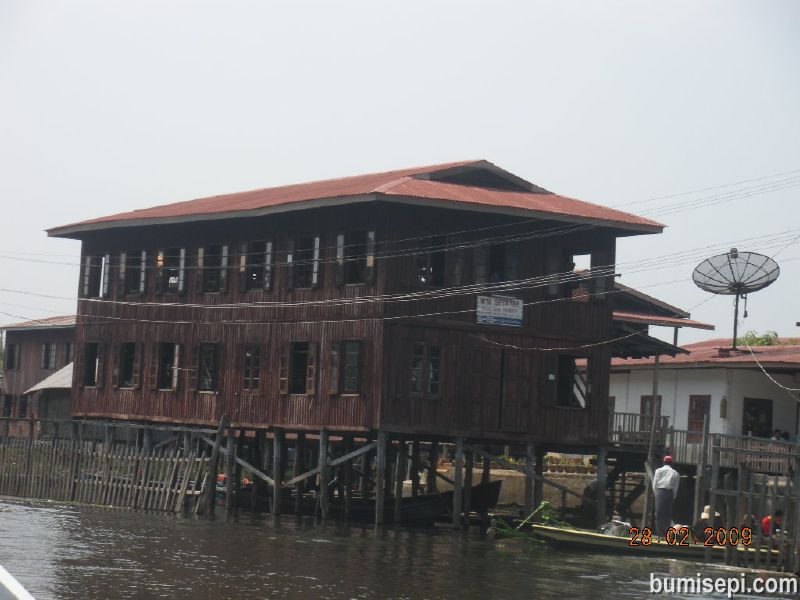
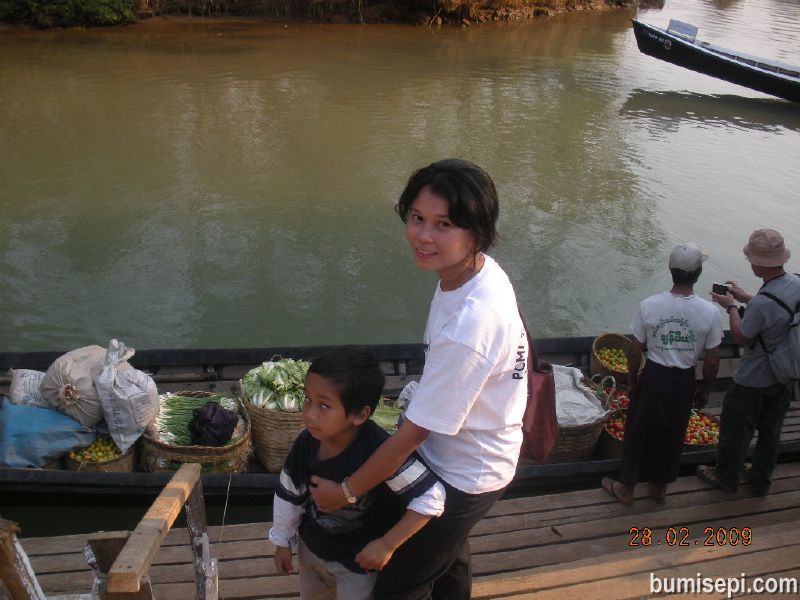
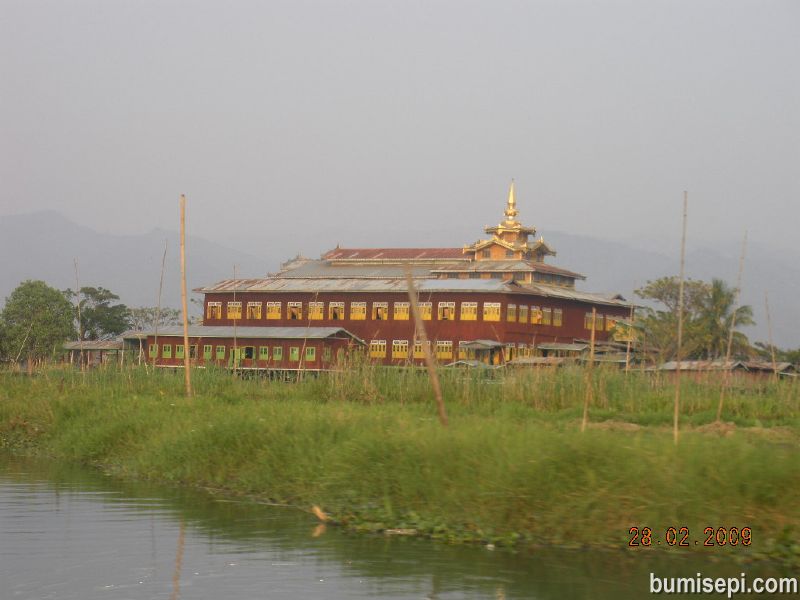
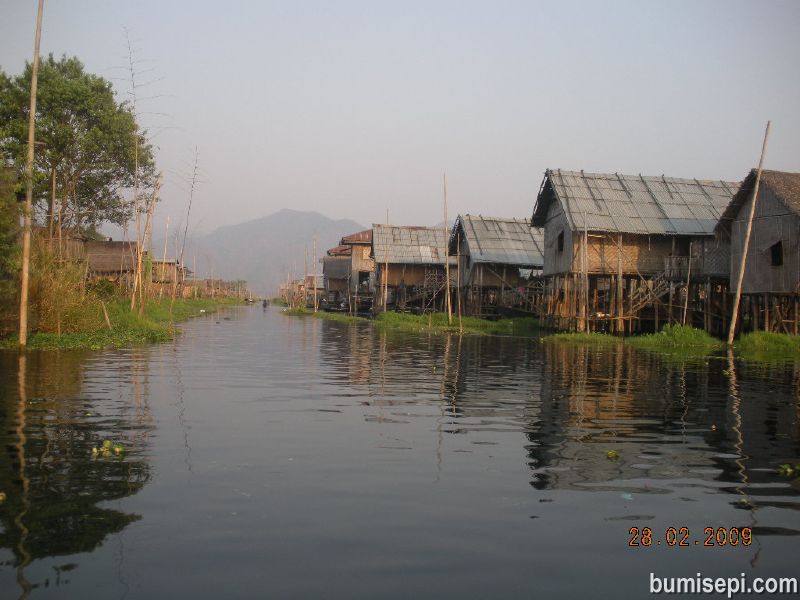
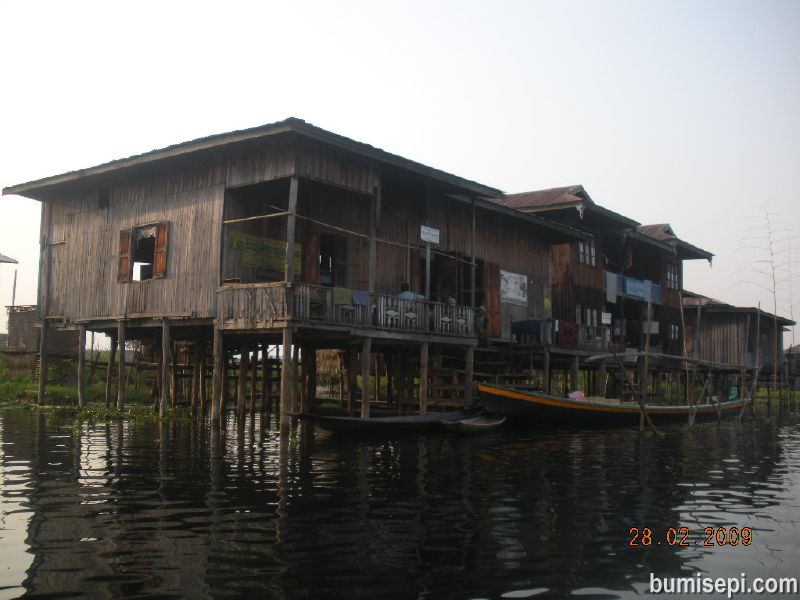
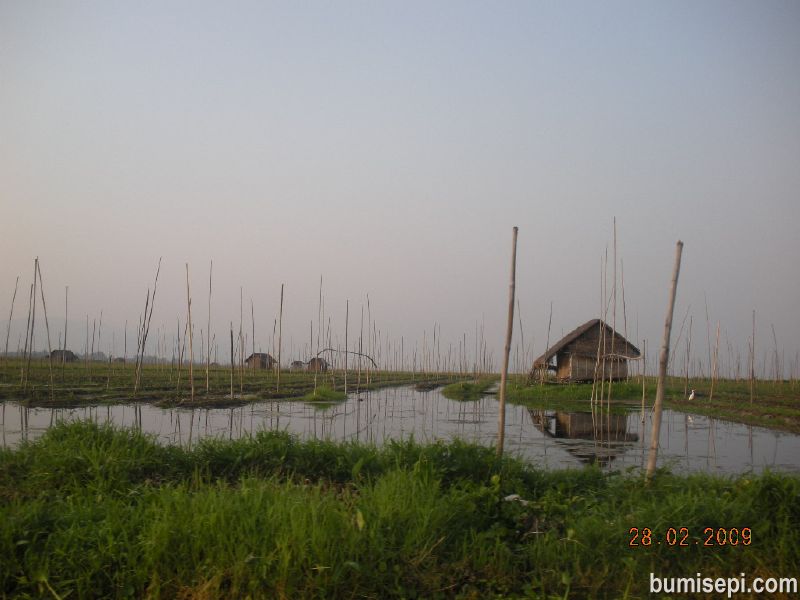
Inlay Lake ialah tarikan utama di Shan State. Kaum Intha bergantung kepada tasik ini untuk hidup hari ke hari. Mereka membina rumah di atas air. Mereka bergerak dengan bot panjang yang diperbuat dari kayu jati. Mereka menanam sayuran di atas rumpai air yang telah mati dan dilonggok menjadi batas-batas sayuran seperti tomato, kobis, kacang panjang dan lain-lain, kecualilah beras yang diimpot dengan bot dari tanah besar. Hampir keseluruhan kawasan tasik diguna sepenuhnya. Pagoda atau rumah ibadah mereka dan monastery (sekolah agama mereka) berselerakan di atas tasik. Kaum ini juga pembuat kraftangan dan penenun sutera yang mahir, semuanya dilakukan secara manual. Kapitalis mengambil kesempatan keindahan tasik ini dengan membina hotel dan rumah tumpangan dan restoran untuk memenuhi hajat pelancong.

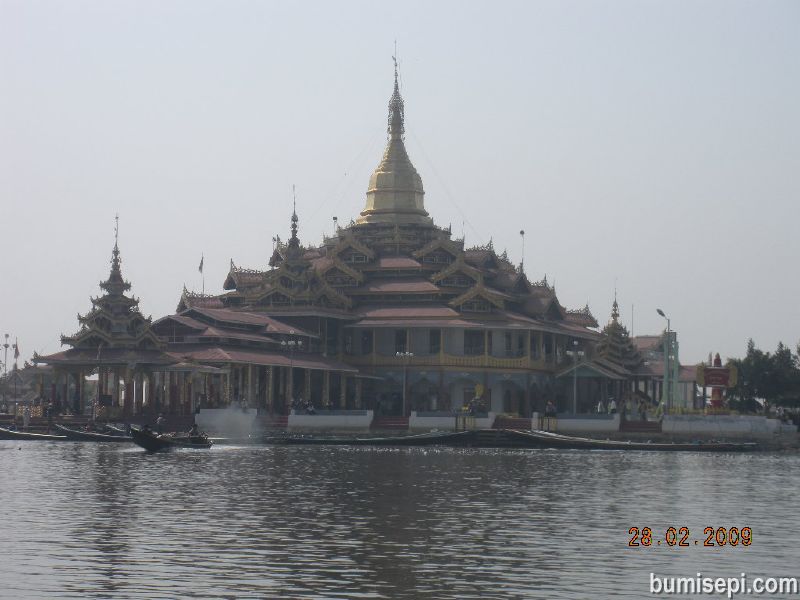
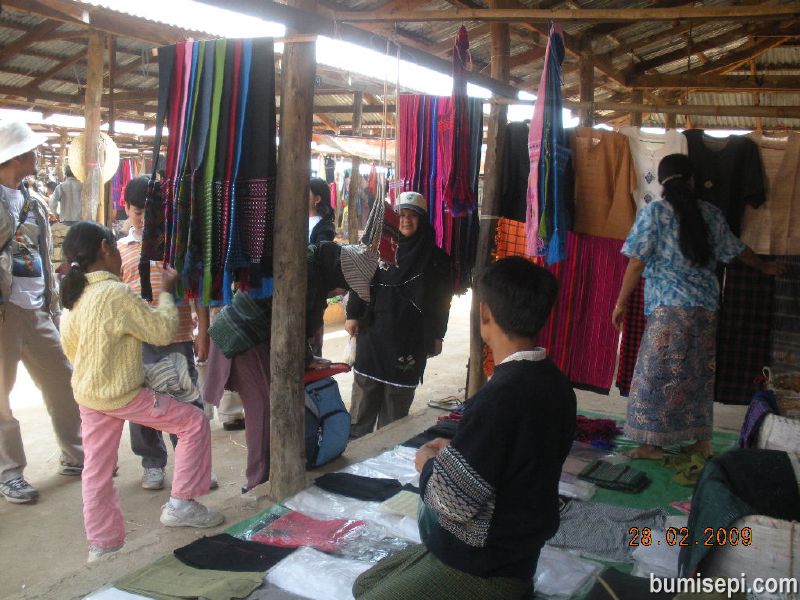
Tempat pertama yang kami singgah selepas 45 minit dalam bot dari jeti ialah Pagoda Phang Daw U. Selain pagoda ini, terdapat pasar 5 hari (`five day market’ — pasar setiap lima hari) di belakang kawasan pagoda. Di sini anda akan dapati ramai kaum asli seperti Pa-O, Shan dan Intha yang tinggal di kawasan tasik ini menjual barangan harian dan kraftangan).

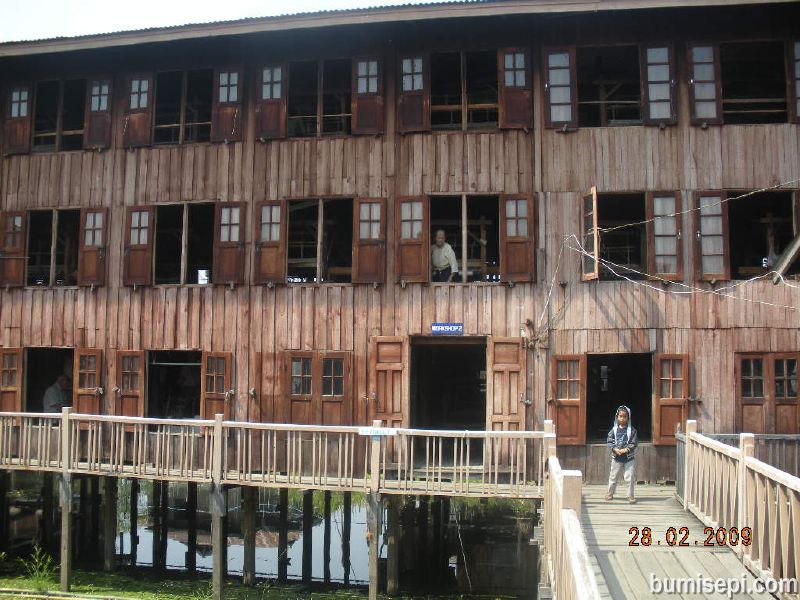
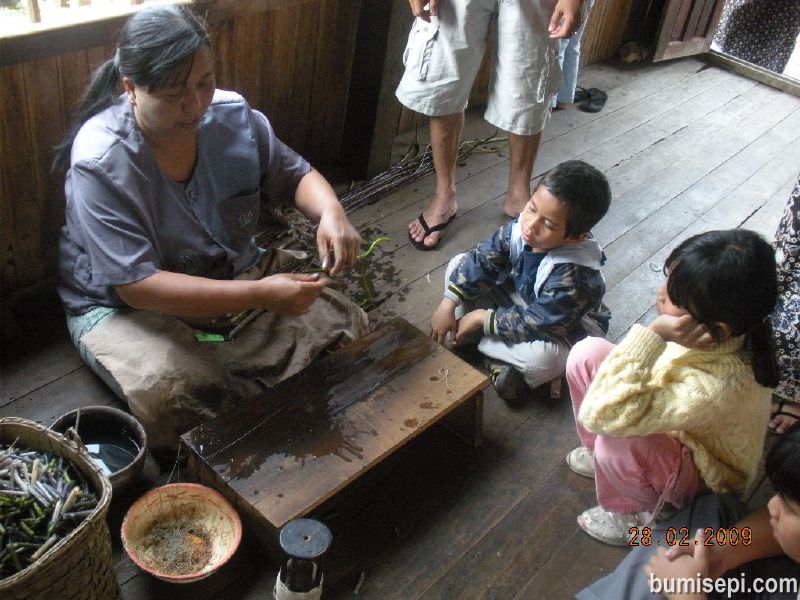
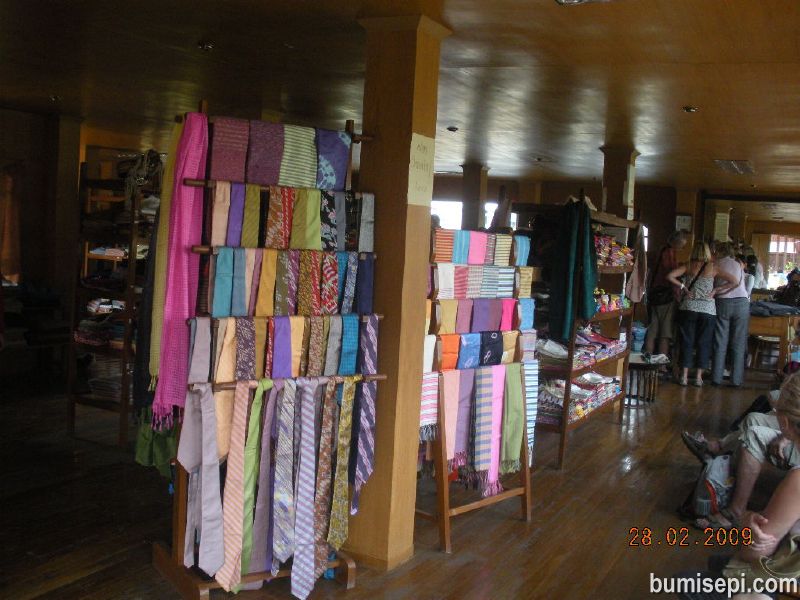
Destinasi seterusnya ialah kilang tenun sutera di Inbwa Khone di mana kain sutera dibuat secara manual dengan mengguna peralatan tradisional. Benang-benang sutera diimpot dari China dan ada yang dihasilkan dari pokok lotus yang tumbuh liar di atas tasik. Saya rasa kilang ini akan ditutup tidak lama lagi kerana penenun-penenunnya wanita-wanita lanjut usia. Terdapat banyak bangunan kayu tiga tingkat yang menempatkan bengkel-bengkel penghasilan sutera. Sebuah bangunan kayu menempatkan pusat jualan hasil sutera untuk pelancong.

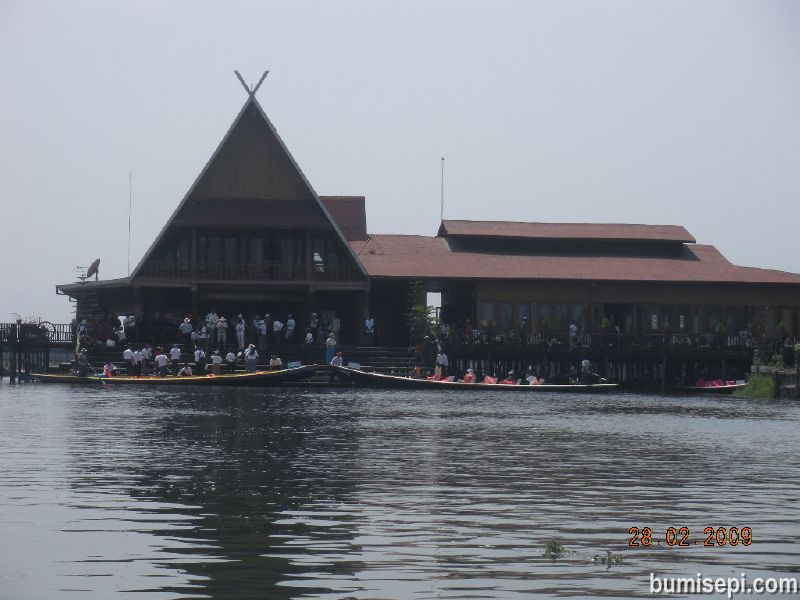
Golden Island Cottage ialah antara hotel tersohor di Inlay Lake (USD50 semalam – kadar untuk musim luar puncak – `off peak season’). Kami singgah untuk makan tengahari di sini. Persembahan tradisional kaum asli Pa-O dengan pakaian tradisional hitam seumpama pahlawan Melayu Melaka silam mencuri perhatian kami.

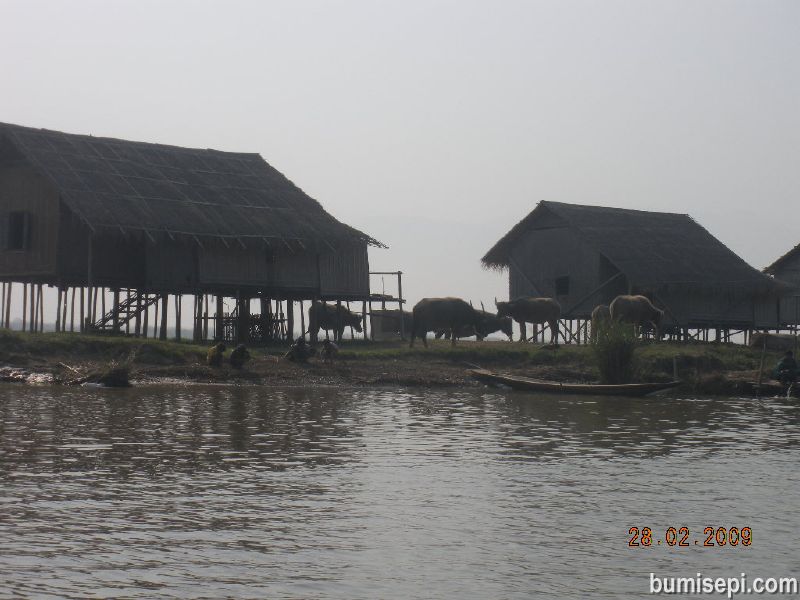
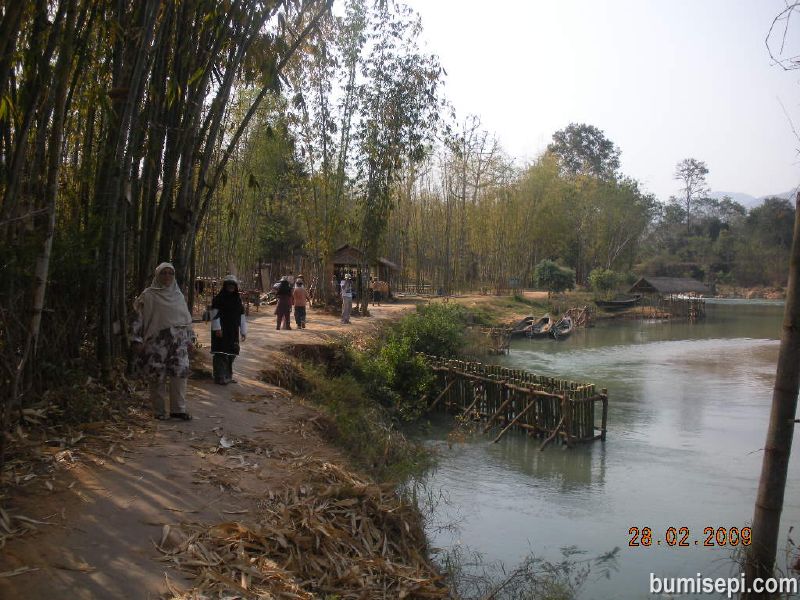
Jauh ke pendalaman tasik ini, kami sampai di perkampungan Indein di mana terdapat Pagoda Shwe Inn Tain yang dikatakan berusia lebih 500 tahun. Sepanjang perjalanan ke Indein anda akan melalui terusan-terusan yang mencawang dari Inlay Lake, membelah kampung-kampung kecil. Kehidupan seharian penduduk di sini berkisar di sekitar  terusan-terusan ini. Inilah bilik air mereka — mereka mandi manda dan membasuh di sini. Bukan saja mereka malahan kerbau-kerbau air (water buffalo) mereka. Inilah jalanraya mereka. Inilah padang permainan mereka. Inilah sumber rezeki mereka.

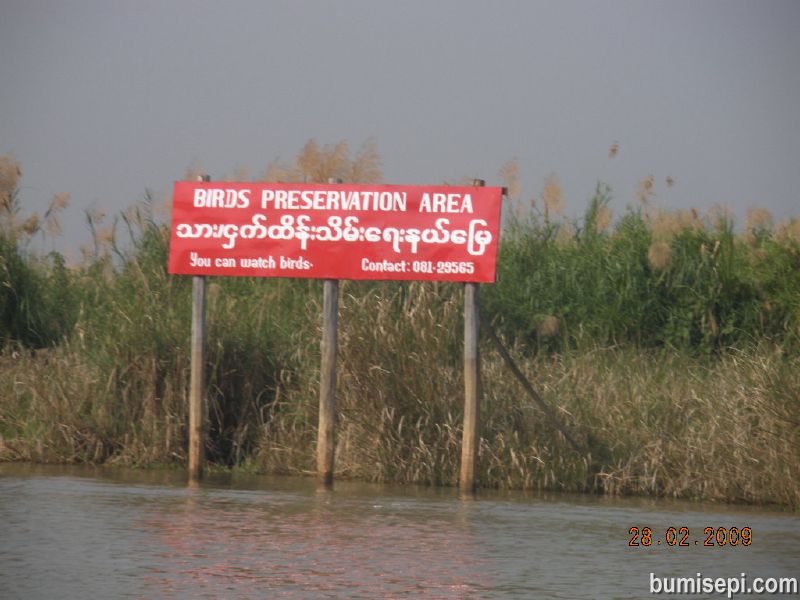
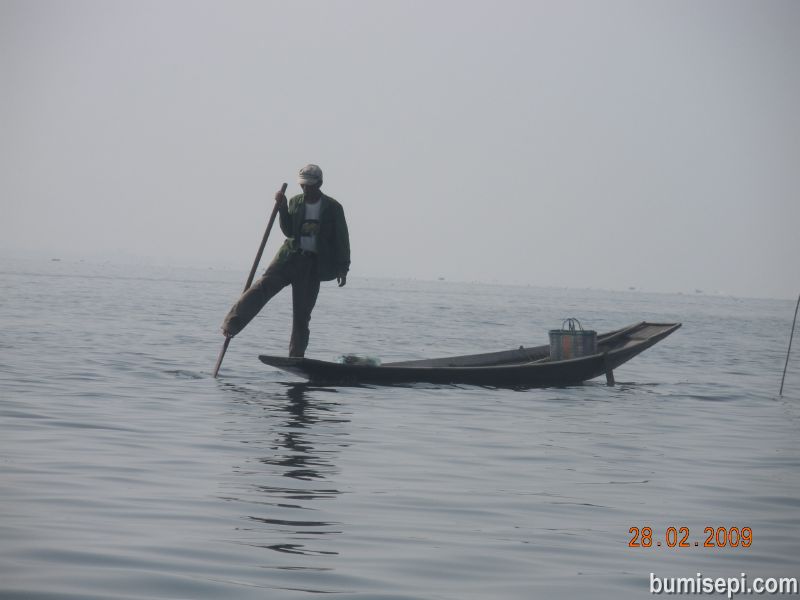
Aktiviti utama di tasik ini ialah menangkap ikan dan pertanian. Nelayan solo di atas bot panjang mendayung dengan sebelah kaki (one-legged rower) menjadi karakter utama di tasik ini. Anda boleh berjumpa mereka di waktu pagi dan petang di atas tasik ini. Suruh pemandu bot anda memperlahankan bot dan rakamlah dengan kamera anda. Dengan berlatarbelakang waktu senja di pergunungan Shan, nelayan-nelayan ini menjadi ilham artis-artis tempatan dimanifestasikan di atas kanvas lukisan minyak (oil painting) dan dijual kepada pelancong yang berminat.  Kaum Intha juga adalah tukang besi yang mahir dan terdapat sebuah kampung di mana semua isirumah adalah tukang besi. Pasar terapung Ywama ialah tempat di mana mereka membeli belah barang keperluan asas. Tetapi sayang, sewaktu kami tiba waktu operasi pasar tersebut sudah habis.

Jika anda ingin ke Inlay Lake, anda mempunyai dua pilihan untuk tempat penginapan. Anda boleh bermalam di Taungyi dan bertolak ke Inlay Lake keesokkan harinya. Pilihan kedua ialah bermalam di mana-mana hotel atas air di atas tasik itu sendiri, seperti Golden Island Cottage. Pilihan ketiga ialah anda bermalam di hotel atau motel di Nyaungshwe. Nyaungshwe ialah pekan kecil yang menjadi jeti utama ke kawasan tasik. Saya cadangkan anda bermalam di Taungyi. Inlay Lake boleh dilawati dalam masa sehari dan selebihnya anda boleh menerokai Taungyi, ibu negeri Shan. Bandar ini terletak di puncak gunung dan pemandangan memang unik.

Bagaimana untuk ke sana?

Dari Malaysia, MAS terbang hampir setiap hari terus ke Yangon, Myanmar (kecuali Selasa dan Khamis).  Tiada penerbangan terus AirAsia ke Yangon dari KUL, kecuali melalui Bangkok, Thailand.

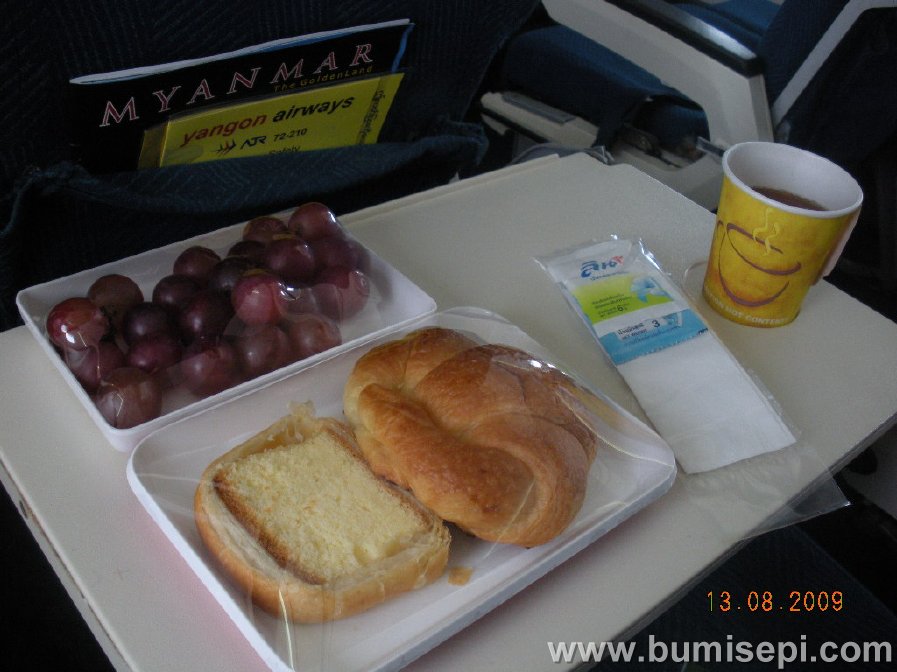
Jika pengalaman berada dalam bas selama 20 jam bukan secawan teh untuk anda, anda boleh mengambil pesawat udara dari Yangon ke Heho. Masa penerbangan hanyalah satu jam sahaja. Yangon Airways terbang setiap hari dari Yangon (terminal domestik) ke Heho. Dari lapangan terbang Heho, anda mengambil masa 45 minit untuk sampai ke Nyaungshwe di pinggir Tasik Inle.

Jika overnight bas sudah menjadi secawan teh kepada anda seperti saya, bas ekspres dari Yangon bertolak setiap petang menuju Taungyi. Dari Taungyi menuju ke Nyaungshwe mengambil masa hanya 30 minit.

Jika kos tidak menjadi hal, pilihan lain untuk sampai ke sini ialah dengan tempahan pakej pelancongan dengan ejen pelancongan yang banyak di sekitar Yangon. Semuanya dari penginapan hingga tiket kapalterbang hingga airport-hotel  transfer disediakan termasuk pemandu pelancong yang bijak berkata-kata (dalam Bahasa Inggeris yang retak (broken English))

MYANMAR — a traditional wedding experience

Sunday 8 November 2009:

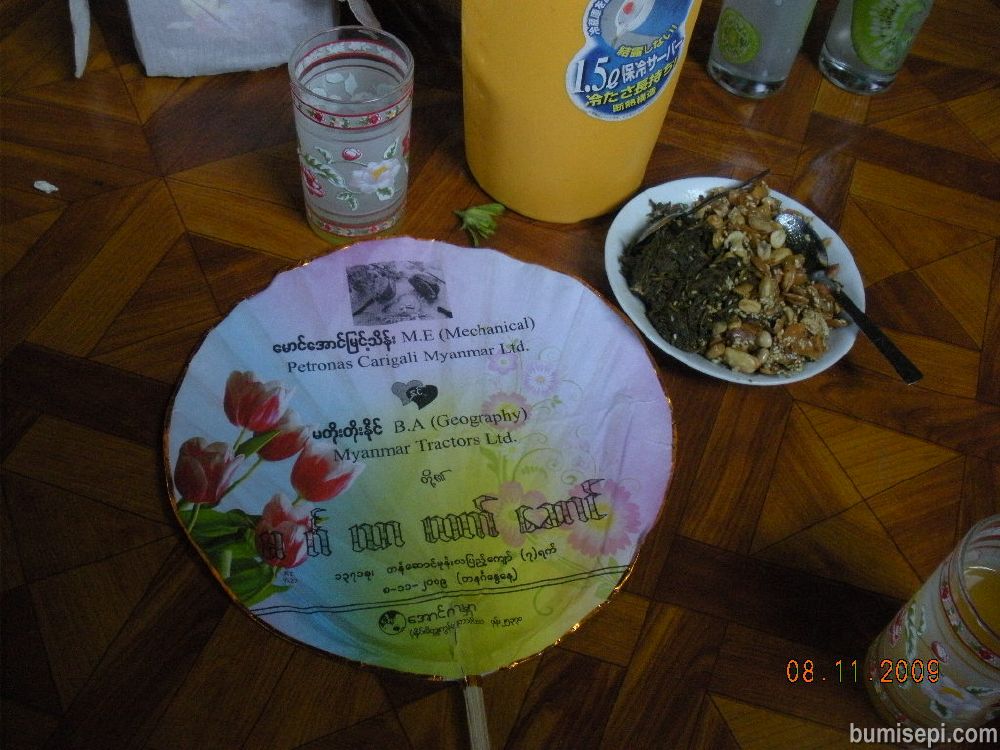
Last Friday, I received an invitation to a wedding reception. The card was all written in Burmese including a small map with a direction to a a bride’s house — a village in North Dagon, some 45 minutes drive from Yangon.  The groom is my staff, indirect staff indeed. I could not afford not to attend. I found an English version of the invitation card and the map specially prepared for me and put nicely on my table in the office so that I would not miss.  Therefore I could not afford not to attend.

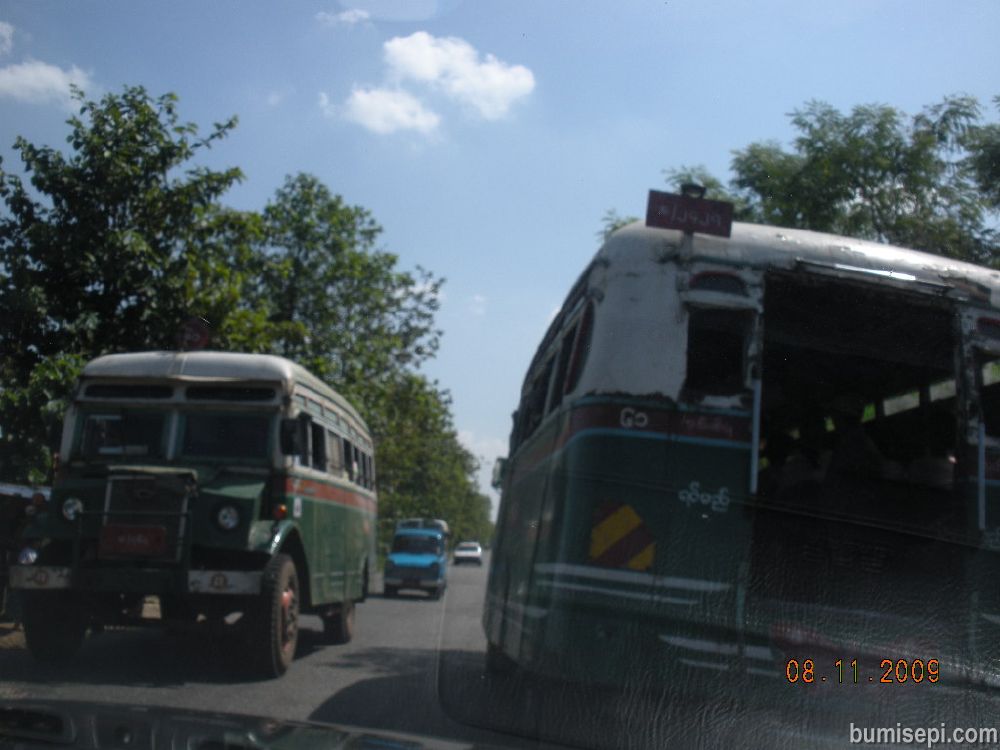
My driver had a hard time to find the place. From north-bound Kabaye Pagoda Road , we turned right to Parami Road, passed the overland bridge and then another bridge crossing the river to the North Dagon. At some junction later, we turned left onto a long, narrow but busy road, not properly tarred. We came to many junctions but we just went straight until we arrived at a place resembling a bus terminal, where all dilapidated green Chevrolet buses converged. This must be their final stop before returning back to Parami bus station. The buses were so old and unsafe that they were not allowed into Yangon city limit. One thing  good about Burmese is that they are self-reliant and highly creative. Nothing is wasted in this country. Despite no spare parts, most things are repaired again and again, modified again and again and reused again and again. Going by Phillip Crosby’s definition of quality which is “fit for purpose”, Burmese fit this definition very aptly. We left the bus terminal and went straight ahead. Then we turned left onto a dirt road, and finally we reached our destination. It was a two storey wooden village house. A small tent was built right in front of the house and decorated rightly for the function. I could see piles of nicely wrapped gifts on one of the table there. You could tell this is a fiesta from the way ladies and children dressed up and men moved about and the aroma of food. I put my gift there as well, and one of the ladies there shouted to the people inside the house, as if some VIP had just arrived. I felt honored.

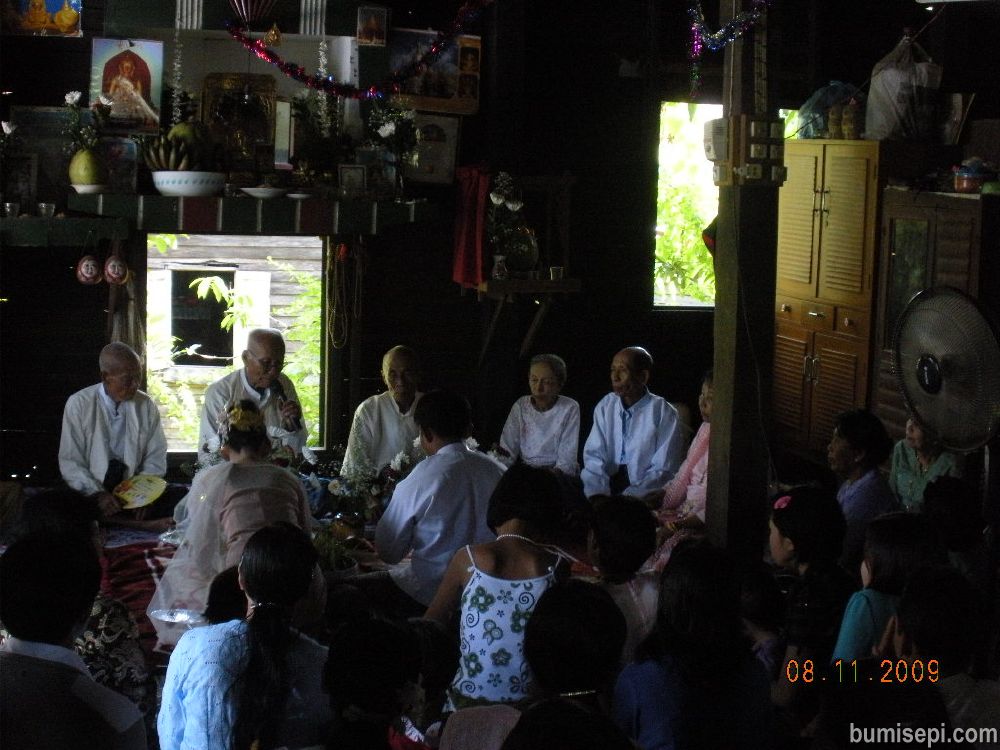
The groom – dressed up in traditional Myanmar way in  loungyi and white Taipon jacket — rushed out to meet and greet me, and whisked me inside the house, and up to the first floor through a narrow wooden stairs. Up there, a group of elderly men and women were seated, seemed to engage in a kind of ritual, with Buddhism symbols at the background. I was seated at the corner and the groom excused himself to join the ceremony. He moved next to the bride and together they were paying homage to the elders, who later I came to know their parents. One of the elders recited something from his memory to bless the newly married couple. Friends and relatives were happy.

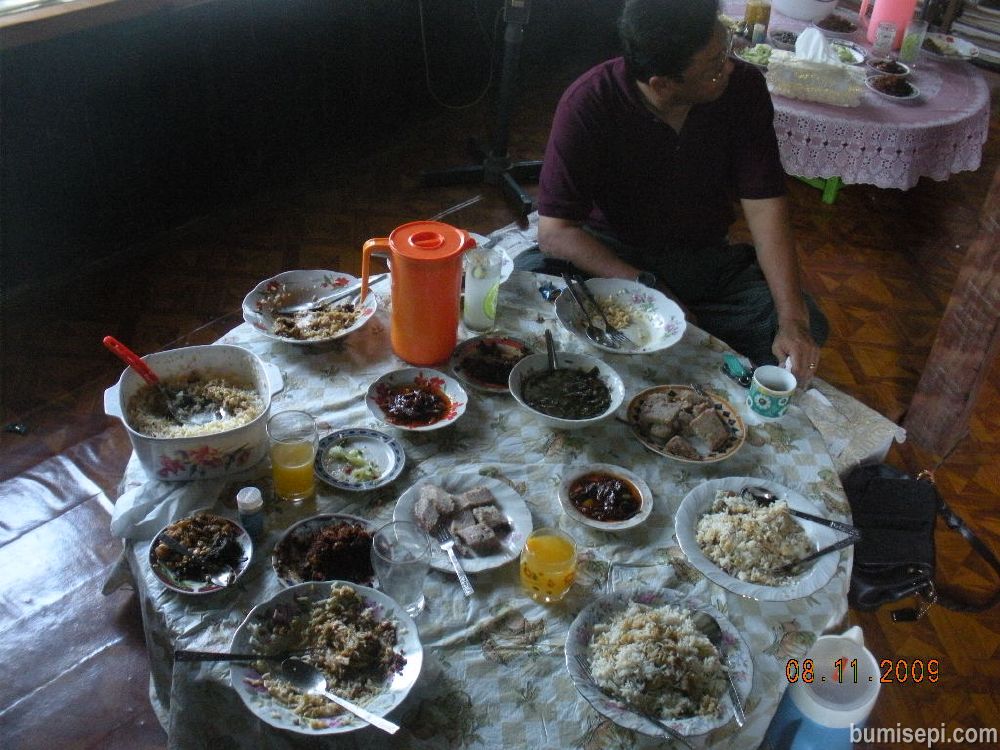
In the meantime, at my table, food was served — buttered rice  (similar to biryani) with chicken and beef curry and vegetables.  I was not sure  whether they are halal or not and I thought it was not proper to ask in front of curious onlookers. It could be culturally offensive. So I did not partake the food save some drink and beans with sesame seeds.

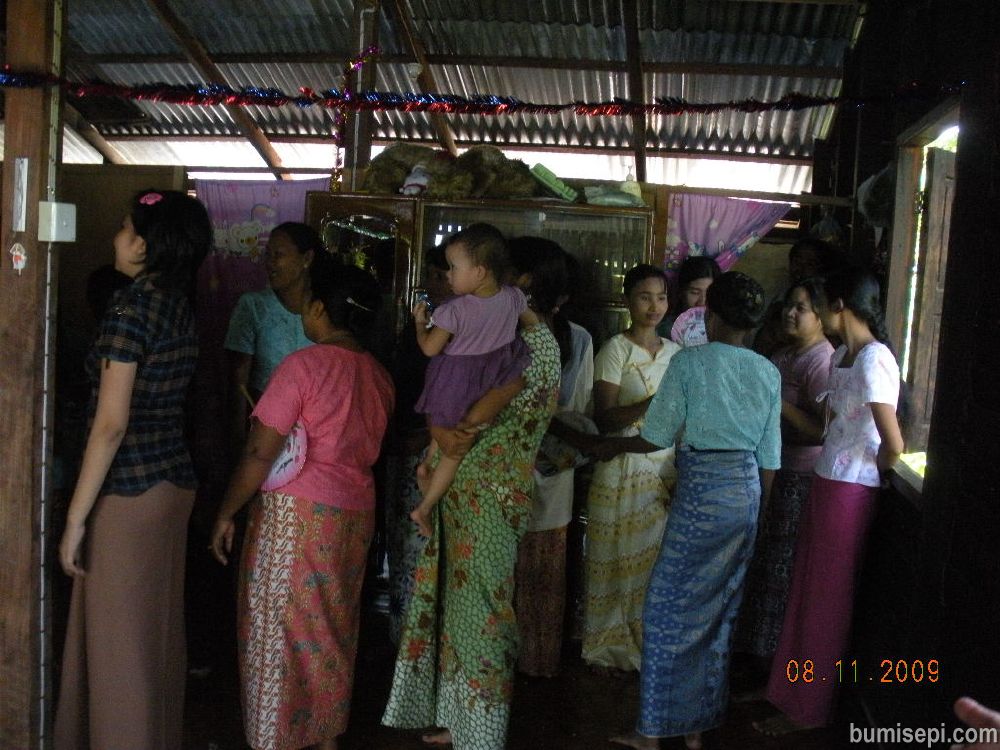
When the ceremony was done, a woman threw candies and lucky money (nicely folded notes) to the crowd and everybody was rushing to collect the goodies on the floor. One of the lucky money fell near me and I unfolded it to find it was a 1000 kyats note. The bride and groom were then ushered to their room, but to get to their room was not easy. Ladies and children and men alike lined up facing each other holding their hands in a long queue, forming an obstacle, trying to stop the bride and groom from entering their room. To break the chain, they must pay some money to each pair forming the hurdle. They slowly made their way to their room after payments were made, and the biggest hurdle was at the entrance to the room, as it was guarded by the elderly women. More money was required here.

The moment was a lot of fun and highly electrifying. I had attended a modern wedding reception at a plush hotel in Yangon early this year, but this traditional wedding reception was something out of this world.

To Burmese, wedding is a time to announce or re-assert the social status and power of the bride or groom and event their paremts. The current job title. The company he or she is working for. The academic qualification whether first degree, masters degree or PhD, and the discipline.  All these are manifested on the invitation card, the backdrop at the wedding hall and other memorabilia given away to guests.

MYANMAR / Dawei (Tavoy)

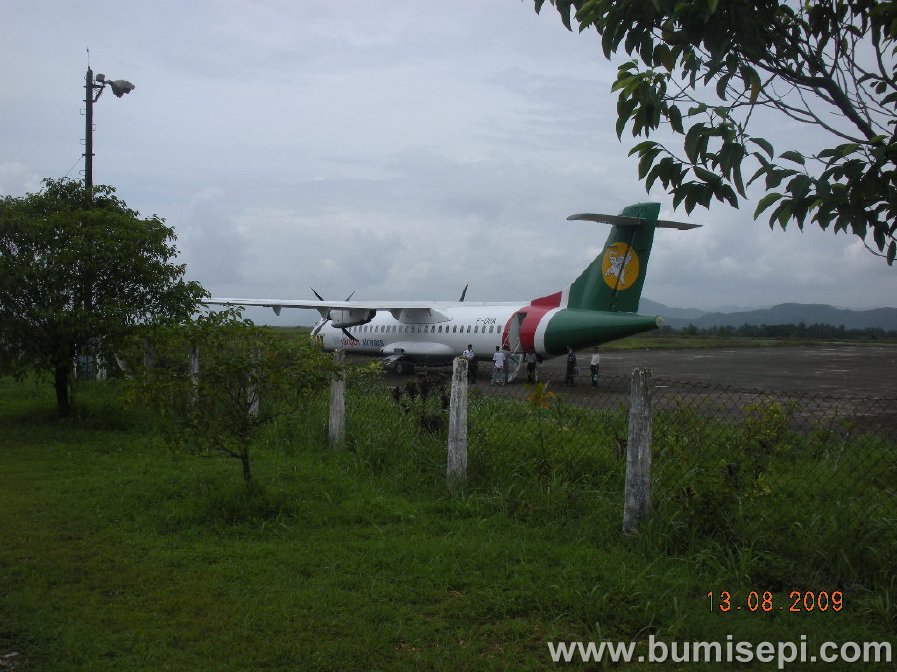
This trip was first performed in January 2009.  Info are correct at that time. Dawei is accessible via Yangon Air flight from Yangon Airport (domestic terminal). The flight time was about an hour on ATR aircraft. Tourists need a special permit to visit this city, due to security reasons. The city is home to a naval base, and with close proximity to Thai border, the potential threat from insurgents cannot be downplayed.  Abu Adam revisited this city for the second time in August 2009. Read his story about the city below.

Dawei. Myanmar

Work took me to this remote town of the Myanmar’s southern division of Tanintharyi.  FYI, Myanmar comprises of seven states and seven divisions.  Dawei is a capital city of this division, with population of about 150,000.   Dawei is previously known as Tavoy, during British era. Yangon Airways flies daily to Dawei on ATR72 aircraft from Yangon. Flight time is about an hour.

Dawei is a no-go area for tourist. It means foreigners require special permit to enter the town. Have I told you earlier that some places in Myanmar are restricted to tourists? Yes, tourists need special travel permits to get into some ‘special’ places in Myanmar. It is more for security reasons, due to the fact that the country is ruled by the military. And normally military people are more secretive.

Same as Dawei – you need a special permit to enter the city.  But I am here for a business trip, together with a partner from the Myanmar Government. So he managed all the paperwork to get me into the town legally. We are visiting remote villages in Dawei, more specifically near dusty town Laung Lon leading to a fishing village at the southern tip of a small peninsular facing the Andaman Sea.  In fact our Company has sponsored financially some community programs at these remote villages, as part of our corporate social responsibility to the local people in Myanmar. It has always been the philosophy of our parent company to develop local resources in the country we operate. I am proud of this tradition. Leaving a good legacy is not an option, it is a smart living. Life is so short that you have to make the most out of it. My wife’s cousin — a successful corporate man — died from cancer last month leaving a wife and 4 children me and my wife knew. I regretted a bit because I did not take a time out of my busy schedule despite early notice of his deteriorating condition to visit him during his final days. This is one of my many regrets even though I have been proclaiming to the world that I live a life with no regret.

Lets go back to Dawei.

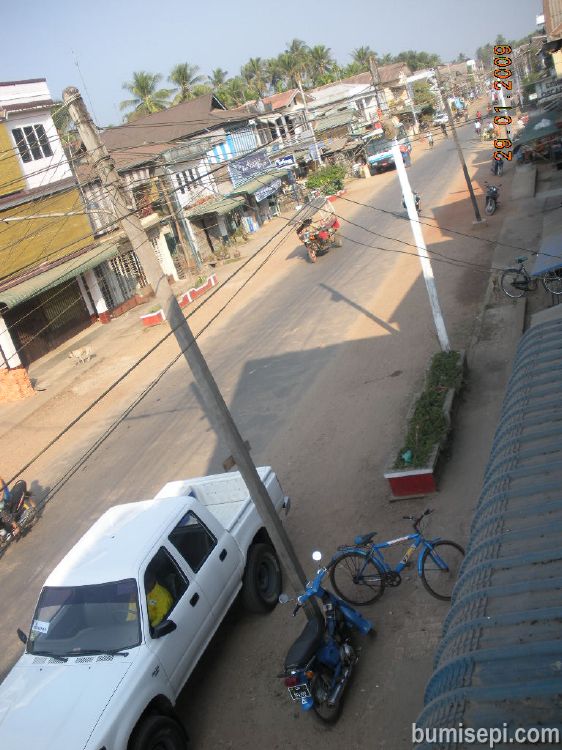
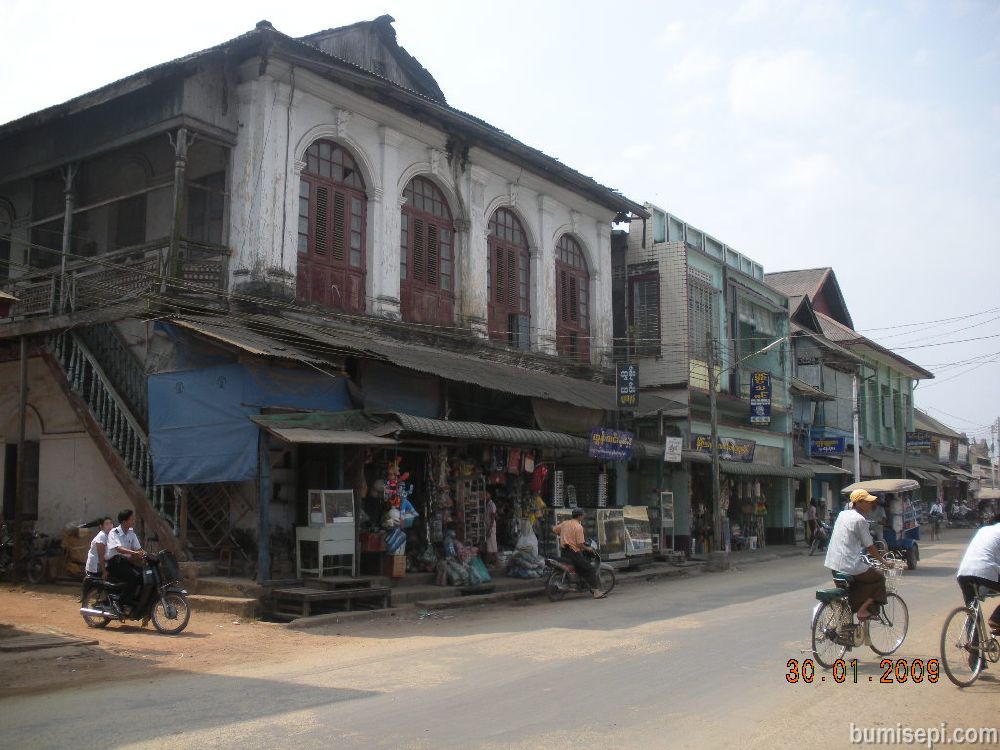
The town is made up old wooden and mortar buildings along dusty streets. These parallel streets meet other perpendicular ones forming a grid which makes up a downtown area of Dawei. There is one big shopping center. City Hall building is a very old building built by British. There are a number of 2 -3 star hotels and guest houses in the city center, with rate about US40 – 60 per night.

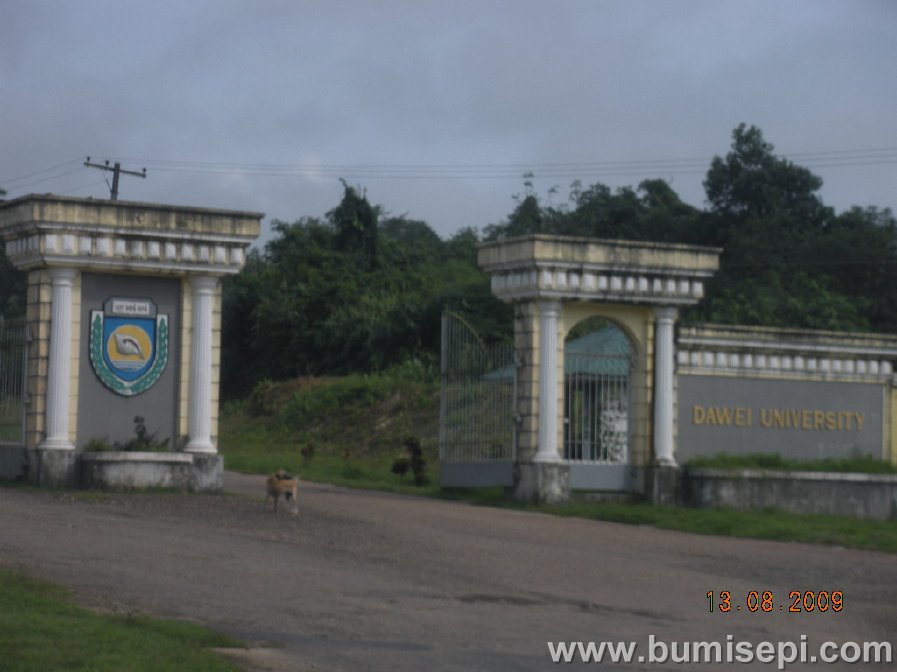
Crossing the bridge over Dawei River, the road will branch to Y shape. To the north, you will see Dawei University to you left and further up will take you to the other  remote villages linked via dirt roads. To the south, you will come to a village called Long Lone and further down other remote villages and eventually to the small fishing village at southern tip of small peninsular. The jouney from Dawei to this fishing village takes about 2 hours by Toyota Land Cruiser. 4WD vehicles are the only way to travel through this dusty mountain roads.

You can see horse carts are used as a public transports.

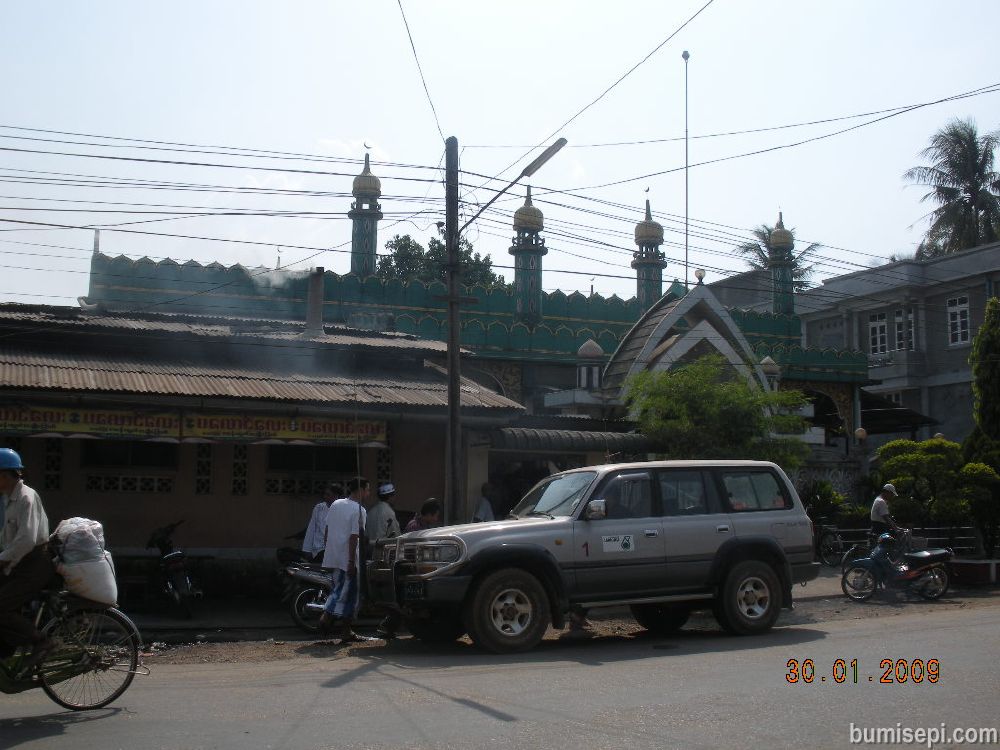
There is a mosque in the downtown area. I was informed there were three more around Dawei. Moslems are mainly traders and businessmen here. I managed to catch a Friday prayers in the downtown mosque. The khutbah (sermon) was delivered in local dialect with quotes from Koran reminding us to do taqwa (good deeds) and prepare ourselves for the Life Hereafter. The imam said the best of preparation is taqwa. Next to the masjid is a Moslem-owned coffee-shop. We hung around there after Friday prayers and joined locals for a cup of laphayet (“tea_ tarik” = tea with milk).

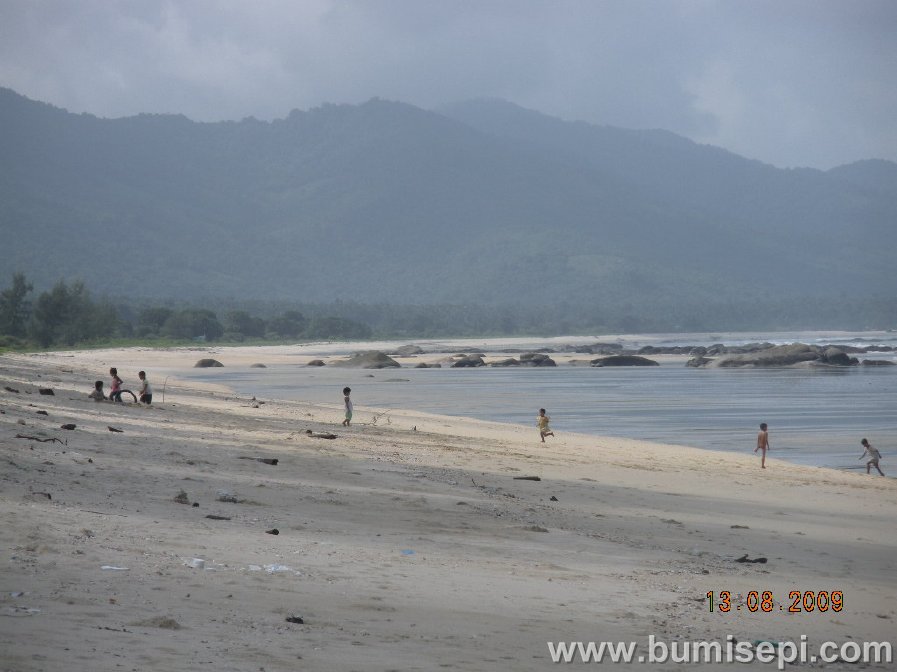
There is a sea-side village called Maungmagan which is about 45 minutes drive from the city.  I traveled to this beach in August 2009. With miles of clean, white sand and coconut trees,  Maungmagan beach is very scenic. It has everything tourists are looking for in tropical holidays package, minus the hotels and transport. There were few guest houses though, but old and abandoned. The road from Dawei was really bad, not to mention the public transport. There is trade-off in evertyhing we do. The good thing is no rubbish, no plastic bags. Why? Because no tourists. No tourists means no business.

MYANMAR / Kanbauk (Thanintaryi Division)

(This is my first trip to Kanbauk in Southern Myanmar in January 2009.  Info on places mentioned in this posting are correct at that time. Also take note that KANBAUK and DAWEI (a.k.a TAVOY) are strictly no-go areas for tourists. Tourists do not normally come here as they need special permit to enter this region. I was here because of official work).
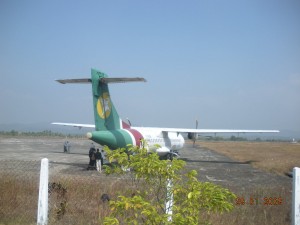
Dawei and Kanbuk is about 30-min flight apart

Yangon Air flight look set to depart from Dawei airstrip to Yangon. Dawei and Kanbauk is about 30-min flight apart

My work requires me to meet people and listen to their problems. Often I need travel to remote locations, for this purpose. But who’s listening to my problems? Today I traveled to Kanbauk, some 280 miles south of Yangon to visit our staff at remote sites.

It was quite a new experience. To me both the journey is as important as the arrival.

We started at Yangon International Airport. It is a domestic terminal where airlines like Bagan Air, Yangon Airways, Mandalay Air and chartered flights call it home. It is located next to the new international terminal. Probably it was an original Yangon International Airport. Crowded and congested were not the right adjectives to describe the airport. It was rather relaxed but dull.

The airline personnel whisked us to a room at the corner of the building for a safety briefing. He turned on a video player and left without a word. A video was played. All safety features about the aircraft we were about to board were shown. Seat belt. Safety jacket. No smoking. Emergency exit doors. Bracing position in an unlikely event the plane went down abnormally. No oxygen mask though — why? Could it be they are not required or could it be they were already broken or could it be there was no oxygen cylinder on board. Don’t know.

It was a Twin Otter 300 with about 20-seater and 6 emergency exits. I have never seen emergency exits that so many for only 20 passengers.

We boarded the aircraft at 10:15 am and no other briefing was given while onboard. The stair which we climbed up into the plane – one person at one time – now turned into a door as it was folded up and slammed from outside by the pilot.

“Buckled up and we’ll be in Kanbauk in one hour twenty minutes”, said the co-pilot, before slamming the door.

He then hastily run around the plane and got in the cockpit thru one of six emergency exits. His companion revved up the engines until propellers reached some speed. The plane moved to the far-end of the runway and within 10 minutes we were up there in the sky with Yangon City sprawling under our feet.

Both pilots were white men, obviously seasoned aviators and they reminded me of Harrison Ford in the movie “7-days-and-6-nights”, except that they wore their company’s white uniforms.

There were only 6 passengers in this flight from Yangon to Kanbauk on 16th January 2009. Six emergency exits. One emergency exit each. We should feel safer.

The journey was smooth nevertheless. I managed to update my blog and then dozed off. Upon reaching Kanbauk, could see the coast line of Andaman Sea. The murky sea water merged into a big river mouth in between the mountains.  It was a mountainous region in Mon State in south-eastern Myanmar. Paddy fields and wooden houses occupied valleys between the mountains and dense forests. It was a cool view. The forest was virgin and seemed untouched, unlike in Malaysia where logging was regulated but not enforced. Not much logging activities noticeable from 15000 feet. The leaves were green and not so green due to dry and cold season. Gorges and plateaus made an amazing landscape. Sunlight fell on clouds and shadow created  such a wonderful contrast which could only be appreciated by professional photographers.

World is just awesome. Man can only paint such scenery but who created them all? I said subhanallah – God is ever gracious.

We touched down at 11:35 am as scheduled in Kanbauk. It was a private airfield with a short runway, surrounded by forest. It was utilized by oil and gas companies personnel. The plane swayed a bit upon a hard landing. It made a U-turn when it reached furthest end of the airstrip and taxied to its parking bay next to the only building — which I discovered later served as a maintenance workshop and arrival/departure hall, three in one.

I saw a helicopter at one side of the runway, being prepared for take-off to the offshore oil platform. A white man with a Heli Union printed on his white shirt was walking to the helicopter, followed by few tough guys, some carrying some kind of toolbox. But I am not going with them to offshore today. May be other time.

Inside the building, there is a small room which made up arrival and departure hall at the same time. There were blue seats facing a main door where we just came in. A Samsung video player attached to the TV set was on the rack next to the door. Arriving passengers were ushered to the back of the room whereas departing passengers were seated to watch a safety video, the same video we watched at Yangon on how many emergency exits and where they are and stuff like that.

The wall  is full of frames with various company logos. Upon close scrutiny, there were indeed Safety policies of various companies operating in and out of Kanbauk such as PCML, TEPM, Hevilift, Heli Union and others. These are all either multinational oil and gas players or service providers providing support services to the former. Obviously safety is of paramount concern in this type of business.

There was a table at the back manned by three national men in yellow coverall. One explained to us in broken but understandable English  that they were doing a random alcohol and drug testing to Company employees and contractors. He added that this is a Company policies, recently approved. He handed over two forms to me — consent form and refusal form. We had to fill up one only. I filled up the former. After all, I was part of that system.

Details were required by the form. The medication you took in the last 6 hours. I put down zinc, signed and handed back the form to him.

Then his assistant asked me to draw a small bottle from the plastic bag full of sample bottles. He showed me the toilet and asked me to fill up to the level indicated on the bottle with my urine. The bottle has 5 stripes one for each type of drug to be tested. Cocaine, marijuana, anti-depressant drugs are some of those. Could not remember the scientific names he mentioned. My female traveling companion teased them whether could she be tested for pregnancy as well. I said – just add another stripe. We all laughed. But men in yellow did not. They were serious like rock.

I got in the toilet, following their instruction like a first-grader on the first day at school.

Five minutes later, the test result was out. I was tested negative. Now we could proceed to the waiting four wheel drive vehicle.  It was a dusty Toyota Land Cruiser with big Hakook tyres and tall antenna perched on the front bumper.

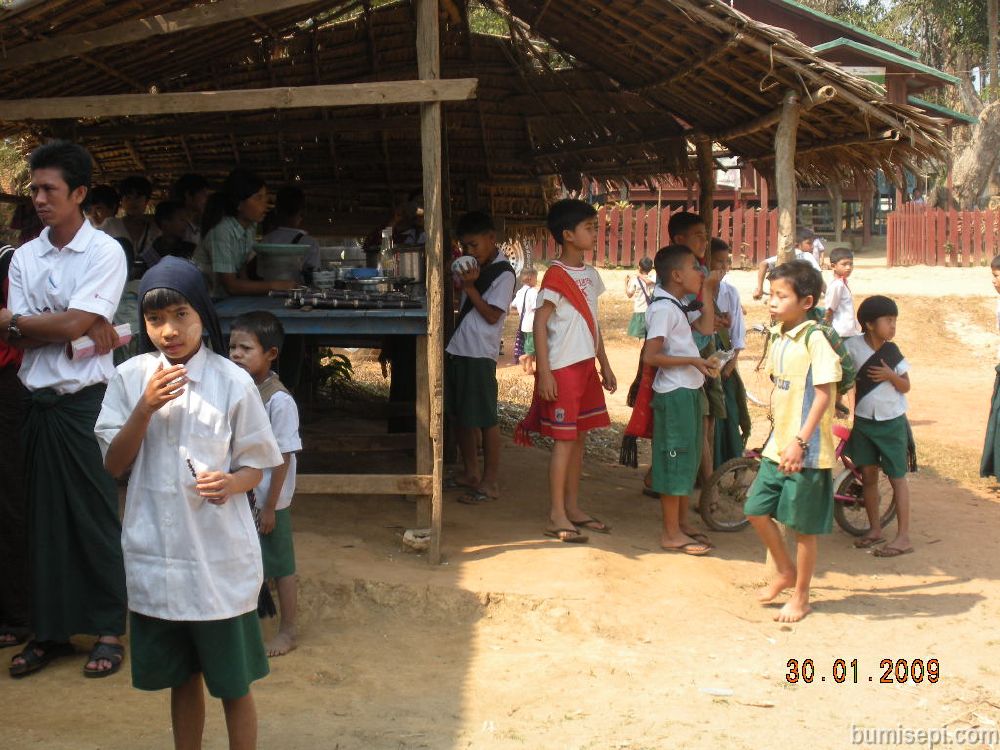
The road was a dirt road so dusty so much so that green leaves turn red, being covered with dust. It seemed it never rained here for ages. We passed by a local village and a school painted in white and green. Children were having recess as some were playing football in their longyis. To me, these kids are the real investment. This country and this company need them to operate all our assets in 20-years time.

Fifteen minutes later, we reached our destination — a pipeline control center, fortified area sandwiched in between southern Myanmar mountain ranges. As the name implies, the center controls the transmission of natural gas from offshore gas field to Thailand.

The security fence was so high, seemingly as high as the tallest coconut trees. The security check was thorough. Our vehicle’s undercarriage was inspected using portable detector. Bags were searched for prohibited items. No lighters, mobile phone and camera allowed. We walked up some 50 meters to the site manager’s office. He was a medium-built white man. I found it later he is a Scottish.

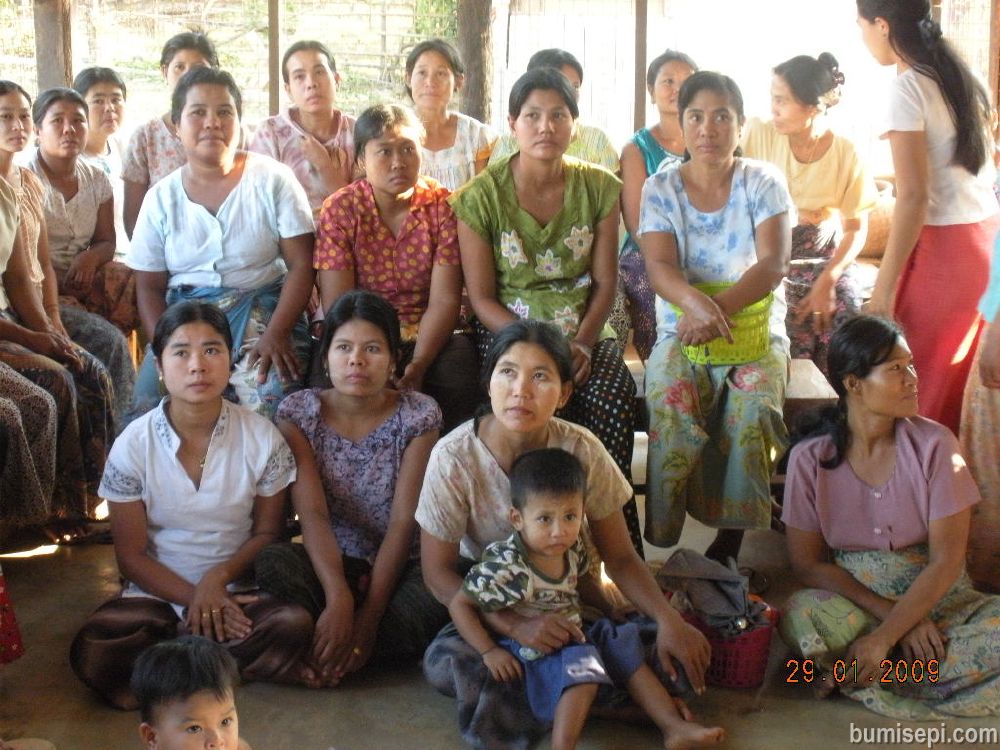
The staff gathered in a meeting room — about 30 of them all in their working apparel. The whole idea of my trip is to communicate HR matters to them and at the same time getting their feedbacks. I shared the HR Department structure and roles and functions. My colleague shared the recruitment process and training procudures. Then we open the floor for question and answer session.

It was the first time I met my staff at this site. Except one or two or three, the rest of the staff in this shift are local, i.e. Burmese. They must have been wondering who the new HR Manager is? Will he be different than the previous one? Will he listen more to staff problem? Will he take action quick enough? Will he visit us more often? I guess the writing on the wall indicated that they were so eager to meet me and I was equally eager to meet them.  The pressure was mounting on me to show that I was the better one. Me and my staff delivered what we were supposed to deliver and the dreadful part started. Question and answer or in short Q&A. Questions came to me like bullets which could not wait. From the the most basic such as “why I did not qualify for long service award this year” to the hardest one like “my salary is hitting ceiling already, can you share the salary band?”.

The session took almost 6 hours with small breaks, and ended at about 8pm. The evening breeze was really cold outside when I walked to my dormitory to retire for the day. It was a room with two double-storey bed, a TV set, two cupboards, a coffee maker and an attached toilet.  Staff stayed in the same dormitory within the compound. Their world is within this heavily fenced compound. A cafetaria. A  soccer field. A run-down tennis court. A dormitory. Even a small room containing Buddha statue. All a man could ever need can be found here. Minus family and mobile phone signal.
Page 40 of 43

Powered by WordPress & Theme by Anders Norén